Division
Arts, Culture & Society
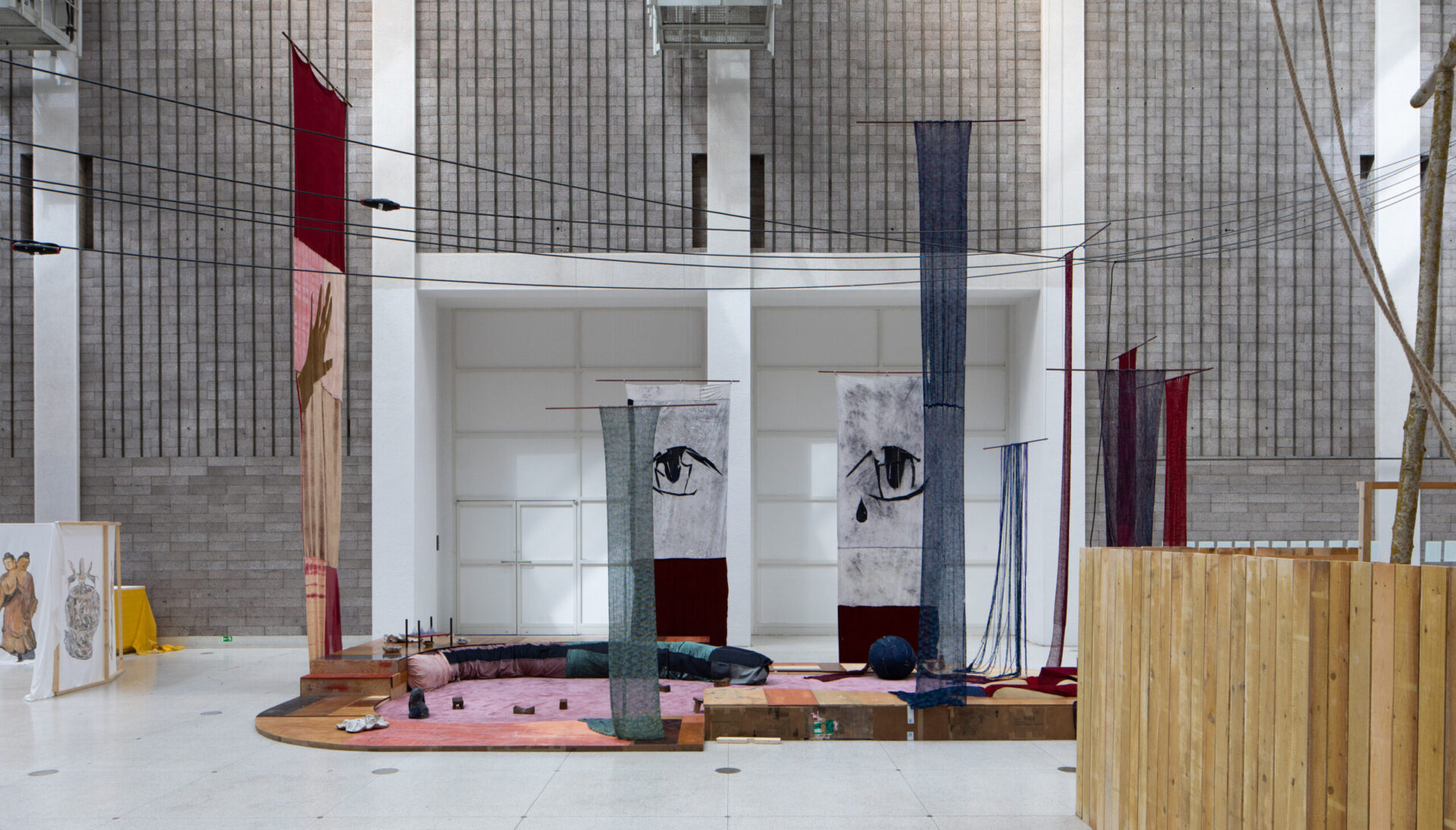
Creating meaning. Broadening horizons.
We are convinced that arts and culture are crucial for coping with a rapidly changing world. They contribute to renegotiating social values, can transform fears into understanding, and promote a shared awareness in the face of social, political, economic, technological, and ecological challenges.
Culture encompasses everything created or shaped by people: from the way we live together, create meaning and perceive social developments, to specific cultural practices such as art and science. Culture provides the context in which communities form and evolve. Within this context, art makes reality tangible to the senses, poses questions and opens up new perspectives. Together, they reveal how we can understand and shape the world.
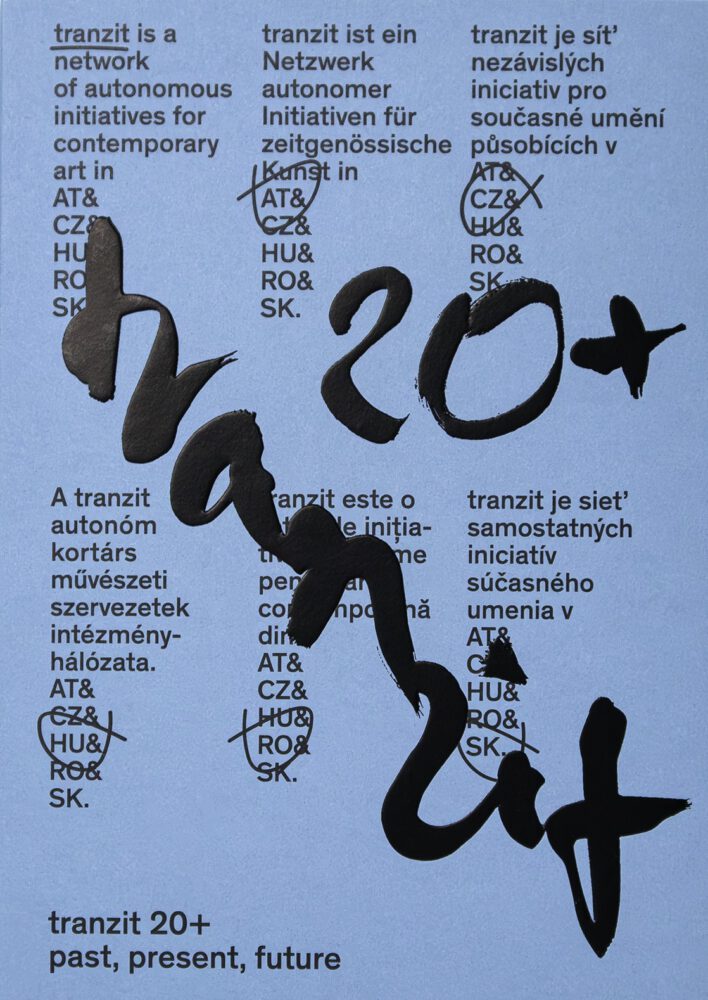
This underpins our commitment to resilient and diverse art and culture in Central, Eastern and Southern Europe, which is both locally rooted and internationally impactful. In collaboration with partners, we initiate, support and shape projects that put this approach into practice: Kontakt is a unique collection dedicated to the preservation and promotion of neo-avantgarde art from the 1960s onwards which had previously received little attention. Kontakt operates as a nomadic collection, currently comprising over 1,400 works by around 180 artists. tranzit.org is a transnational network of arts and cultural organisations with over twenty years of collaboration in Austria, Romania, Slovakia, the Czech Republic and Hungary. It sees itself as a cultural infrastructure, an open space for imagination, theory and practice. The Igor Zabel Award is one of the most prestigious cultural awards in Central, Eastern and South-Eastern Europe, named after the influential Slovenian art historian and curator Igor Zabel (1958–2005). It honours outstanding contributions to art history, curation and theory, as well as the significance of art for the examination of social developments.
In addition, projects are developed on pressing social issues such as demographic change, labour migration and democracy in rural areas. We also support cultural education initiatives, publications, translations and discursive formats. These open up avenues for social exchange, solidarity and a shared engagement with questions about the future.
Photo: Jonáš Verešpej
What we do
-
Igor Zabel Award for Culture and Theory 2026
2026 Event -
The Border as a Condition: Artistic Practices in Post-Dayton Bosnia-Herzegovina
2026 Event -
How Are the Boundaries of the World Drawn and How Are Its Rules Written?
2026 Event -
Networks of Cooperation: Sustainable Structures for Ukrainian Cultural Actors in Europe and Beyond
2026 Event -
Space for the 99%: Contemporary Slovak and Czech Spatial Practices
2026 Event -
CULTIVATORS OF LIFE: Growing Seedbeds of Knowledge
2026 Event -
Art, Memory and Imagination at the 2026 Venice Biennale
2026 Journal -
After the Winter
2026 Event -
Biennale Matter of Art 2026
2026 Event -
»Where Boundaries Blur«
2026 Event -
More than 20 Years of tranzit.org
2026 Event -
WHAT ARE YOU WAITING FOR TODAY?
2026 Event -
»I Dream of Rain«
2026 Event -
Joy #5: A (sort of) retrospective exhibition
2026 Event -
Endnotes. On Reading Anarchy
2026 Event -
Three questions to Lisa Bukreyeva
2026 Journal -
Three questions to Katia Denysova
2026 Journal -
Artistic Practice in Times of War
2026 Event -
Exhibition: In the Wheel of Emotions
2026 Event -
Man Has Emerged Triumphant: Jan Medlen’s Arena
2026 Event -
»elsewhereland« Exhibition
2026 Event -
Exhibition: »STRATEGIC (EX)CHANGES«
2026 Event -
Joy #4: Le Roman de Remort. Der Biss des Gewissens
2025 Event -
Screening of the OHO Film
2025 Event -
Office Ukraine Screenings – Selected short films from Ukraine
2025 Event -
»What Remains, What Disappears« – Exhibition making amidst war in Ukraine
2025 Event -
Kyiv Biennial: »Vertical Horizon«
2025 Event -
Kyiv Biennial: »Everything for Everybody«
2025 Event -
»Bodies Craving to Believe«
2025 Event -
Ana de Almeida: »The Resistant Archive«
2025 Event -
»I am speaking from the future.« A possible future of artificial intelligence – Talk, film & drinks
2025 Event -
Joy #3: Seasons in the Sun
2025 Event -
»Inexplicable Absence. Tracing Igor Zabel’s Curatorial Practice«
2025 Event -
TURN UP – 30 Years of »Springerin«
2025 Event -
STATEMENT: Realities Building
2025 Event -
»Escape into the Future«
2025 Event -
steirischer herbst: Dance performance by Manuel Pelmuș and Frédéric Gies
2025 Event -
Šimon Chovan: Leeching States
2025 Event -
Three questions to Urška Jurman
2025 Journal -
Do Frogs Sing in the Walls?
2025 Event -
Joy #2: Department Joy
2025 Event -
Future Fragments – Visions from the Present
2025 Event -
Kontakt Collection in Kosovo
2025 Event -
OFF-Biennale Budapest 2025 presents: Poems of Unrest
2025 Event -
JOY #1: Spaces of Being–in–Common
2025 Event -
Malkit Shoshan: Designing with Care
2025 Event -
The Cynics Republic—Plac Defilad (2025)
2025 Event -
Textile Transfers
2025 Event -
The secret is that there is no secret
2025 Event -
Liminal Ecologies: Thresholds of Transition and Entanglement
2025 Event -
Looking a — way
2025 Event -
Forest Encounters
2025 Event -
Nature Red in Tooth and Claw
2025 Event -
Dana Tomečková: Solid Is Only a Word
2025 Event -
The Lemberg Machine (2023)
2025 Event -
Collective Exhibition for a Single Body – The Private Score – Bucharest 2023
2025 Event -
Kyiv Biennial 2023
2025 Event -
Political Homelessness and Contemporary Citizenship
2025 Event -
Shapeshifters
2025 Event -
Listening to the waterfalls of the sun*
2025 Event -
Inner Landscapes
2025 Event -
Sergiy Maidukov
2025 Event -
Ján Skaličan: Eyewitness
2025 Event -
General Alert. Wars that Have Never Ended
2025 Event -
I as it, or stones that vibrate
2025 Event -
Now the impulse is to live! Sofia Edition
2025 Event -
IGOR ZABEL AWARD 2022 & International Conference
2025 Event -
CO:NNECTING THE DANUBE in Novi Sad
2025 Event -
STATEMENT UKRAINE
2025 Event -
Premiere of the Kontakt Video Portraits
2025 Event -
Now the impulse is to live!
2025 Event -
Virus Diary
2025 Event -
Grounding ~ Seeding
2025 Event -
»Roma Exhibition« – La Biennale di Venezia
2025 Event -
CO:NNECTING THE DANUBE
2025 Event -
Biennale Matter of Art 2022
2025 Event -
We Have Never Been Closer
2025 Event -
Colonia Herbaria
2025 Event -
WE ARE ALL EMOTIONAL
2025 Event -
Kyiv Biennial 2021
2025 Event -
Eastern Sugar
2025 Event -
Biennale Matter of Art 2024
2025 Event -
A New Existentialism?
2025 Event -
Ioana Nemeș: »All the Future Ahead«
2025 Event -
Anna Jermolaewa – La Biennale di Venezia 2024
2025 Event -
Sráč Sam: »I Promise«
2025 Event -
Witnessing Ukraine: Three Years Through the Full Scale War
2025 Event -
The Cynics Republic – A Score by Pierre Bal-Blanc
2025 Event -
POV YOLO WIP TBA
2025 Event -
Igor Zabel Award 2024
2025 Event -
ENERGY
2025 Event -
Museum of Real Estate Development
2025 Event -
Tomáš Rafa: OVER THE RAINBOW
2025 Event -
steirischer herbst 2024: Horror Patriae
2025 Event -
You Are Another Me—A Cathedral of the Body
2025 Event -
Mavky. Camouflage
2025 Event -
20 years of Kontakt
2024 Journal -
»In Slovakia, the devastation of culture continues massively.«
2024 Journal -
A letter on the current situation in Slovakia by Boris Marte
2024 Journal -
Igor Zabel Award for Culture and Theory
2024 Project -
tranzit.org
2024 Project -
Kontakt Collection
2024 Project