Division
Europe & Democracy
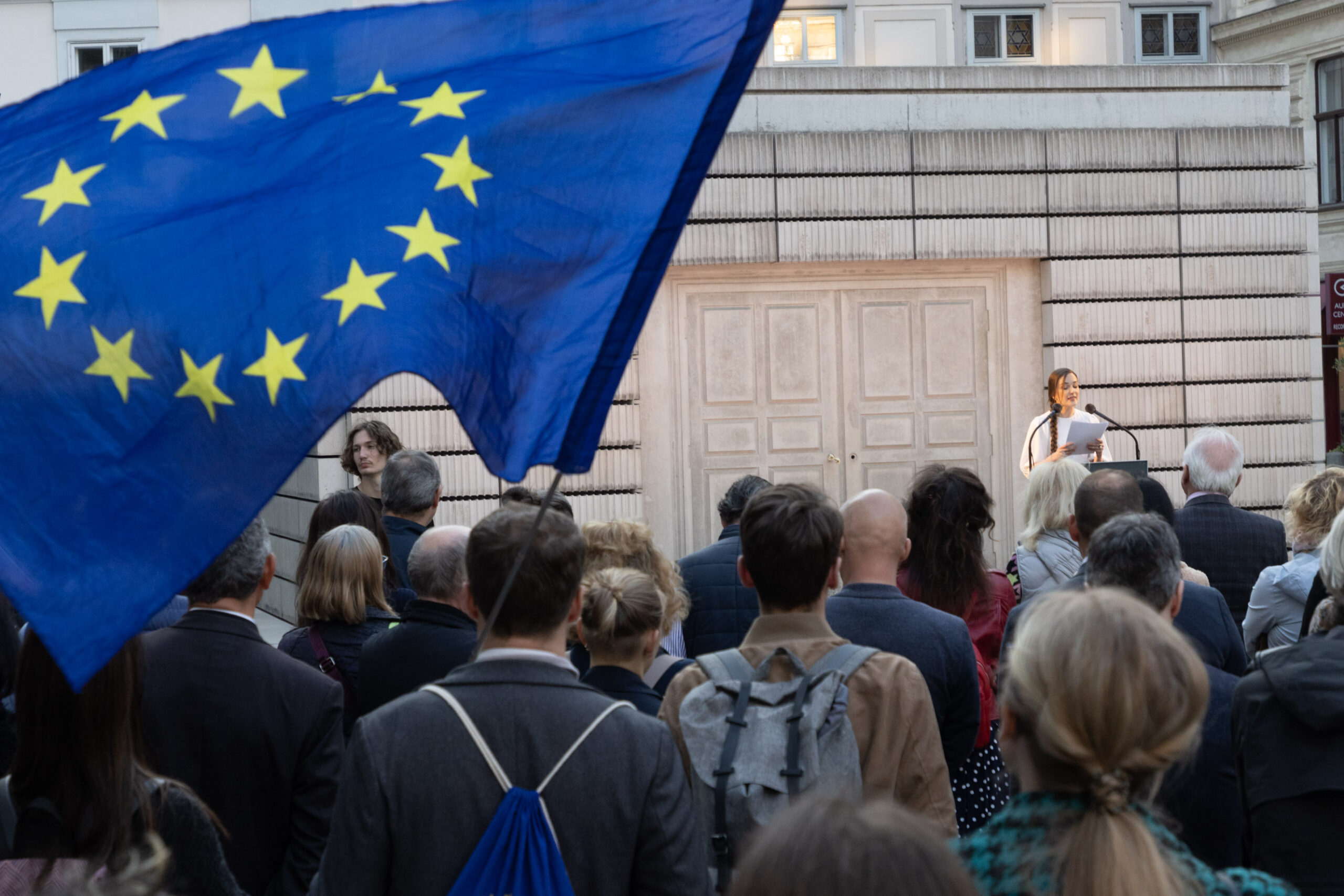
We strengthen democracy in Europe.
Europe is experiencing intense pressure, from a sociopolitical climate marked by polarisation, disinformation and a shrinking civic space to the return of armed conflict on European soil. In this climate, the long-term stability, social cohesion and economic prosperity which democracies create are more important than ever.
We support initiatives to ensure that societies remain open, informed and able to shape their future with confidence. We collaborate closely within ERSTE Foundation’s ecosystem, and with partners across Europe, including think tanks, academic institutions, journalists, public-interest media, cultural and civic organisations, and policy innovators. We build long-term partnerships and networks across borders to strengthen democratic culture.
Democracy We bring together people who are actively shaping democratic life. Those who are designing new forms of participation, pushing new policy ideas, and fostering regional cooperation. From emerging voices to established institutions, we engage those who are committed to upholding democracy.
Journalism and Media We strengthen independent journalism by backing public-interest reporting, investigative networks and media organisations facing political or economic pressure. By safeguarding Europe’s information ecosystem, we help citizens make informed choices.
Ukraine Europe’s future democratic landscape is inseparable from Ukraine’s. We support the people of Ukraine in the longterm reconstruction of their country, thereby strengthening democratic resilience and European integration. We work with reformers, expert communities and cross-border networks that fully integrate Ukraine into Europe’s civic and institutional life
Our mission is to safeguard democratic values and principles, independent information, civic participation, and the resilience of societies in our region. We design and fund initiatives that bring people and institutions together to protect fundamental rights and ensure that democracy remains a firm foundation for Europe’s future.
What we do
-
Journal
A Speech to Europe 2026 »The European Moment«

-
Journal
Europe’s Futures Initiative: a shared home for crafting and building Europe’s future in Vienna
-
Journal
We need profitable journalism!

-
Portfolio
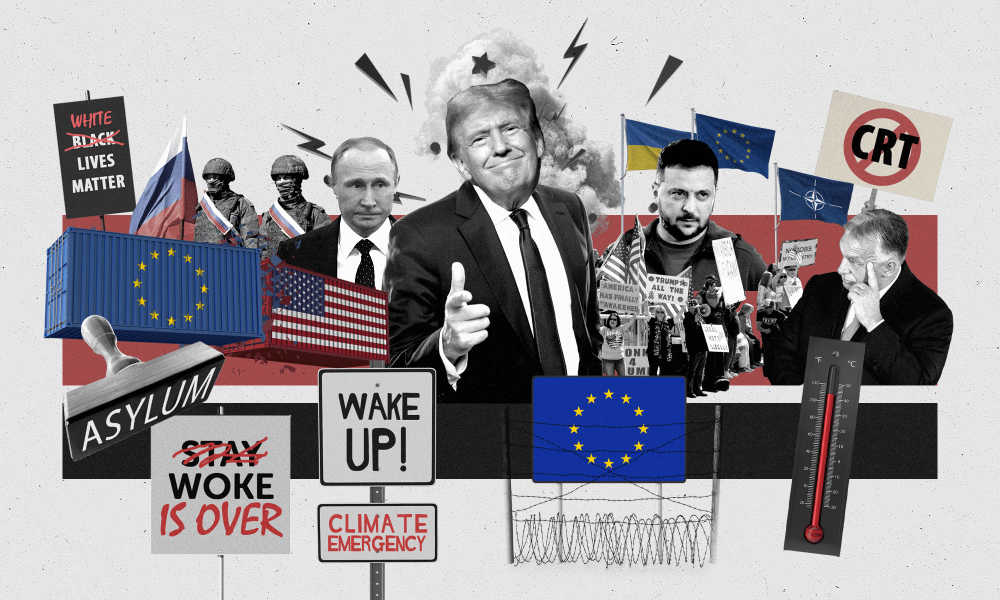
Reporting Democracy
-
Publications
Policy Labs Report #1-4

-
Journal
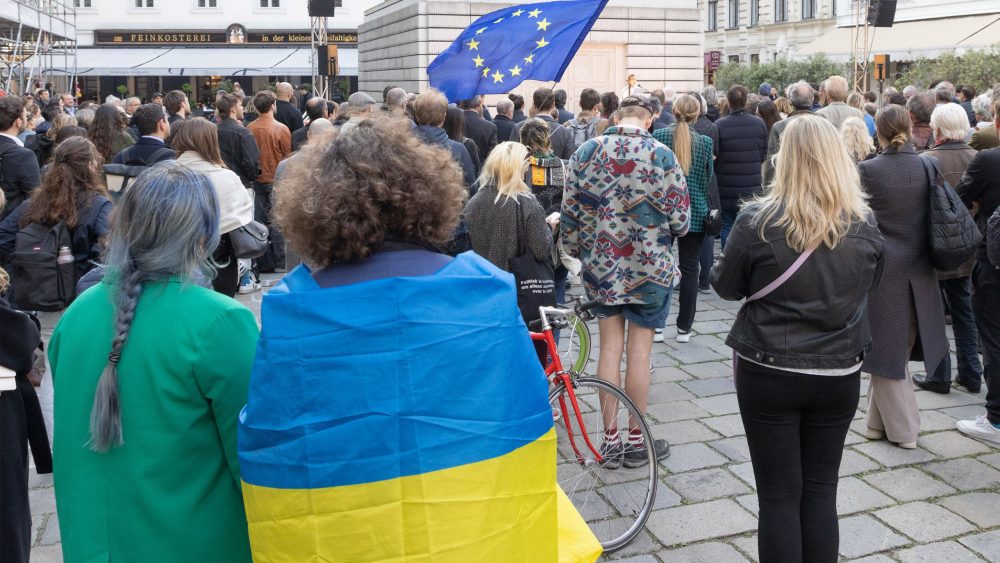
Three Years of Resilience: Our Commitment to Ukraine
-
Three Questions to Márton Gergely
2026 Journal -
Democracy needs you: Apply for the Re:boot Camp 2026 by 21 June
2026 Event -
After Consensus: Decentralisation as the Future of Democratic Governance?
2026 Event -
A Speech to Europe 2026 by Anne Applebaum
2026 Event -
Eine Bühne für Osteuropa with Karl Schlögel, with readings by Markus Meyer
2026 Event -
A Speech to Europe 2023 by Oleksandra Matviichuk
2026 Journal -
Three questions to Beeban Kidron OBE
2026 Journal -
Freedom of the Media under Pressure – Disinformation as a Threat to Europe’s Democracies
2026 Event -
Eine Bühne für Osteuropa with Ildikó Gáspár, Ernst Gelegs and Ákos Hadházy
2026 Event -
Visibility for the right causes
2025 Journal -
What Europe Means Today—and How We Shape Tomorrow
2025 Journal -
Democracy needs you: stop complaining, start acting!
2025 Event -
What Do the Tech Bros Really Want: Money, Power, or Total Information Awareness?
2025 Event -
Time to Decide Europe Summit 2025
2025 Journal -
Three questions to Veronica Anghel
2025 Journal -
Political Salon with Maciej Kisilowski
2025 Event -
Eine Bühne für Osteuropa with Maris Hellrand and Laurynas Katkus
2025 Event -
Europe’s Futures: Facing the challenges
2025 Journal -
EU(dys)topia – Imagining Europe’s Future(s)
2025 Publication -
Time To Decide Europe Summit 2025
2025 Event -
„EU(dys)topia – Imagining Europe’s Future(s)“
2025 Event -
Three questions to Alexander Schallenberg
2025 Journal -
War or peace? Europe’s defence policy put to the test
2025 Event -
»Mitmacht Festival 2025«
2025 Event -
ON EDGE / UNBEHAGEN
2025 Event -
Europe’s Futures Initiative (EFI)
2025 Project -
A permanent people’s assembly for Europe launches in Vienna
2025 Journal -
Democracy Re:boot Camp
2025 Journal -
A Speech To Europe 2025: »A world in which nobody is forced to leave their home«
2025 Journal -
When Democracies Falter: Urgent Lessons from Central and Eastern Europe
2025 Journal -
Policy Labs Report #4
2025 Publication -
Policy Labs Report #3
2025 Publication -
Policy Labs Report #1
2025 Publication -
Discussion: Preventing and Reversing Democratic Backsliding
2025 Event -
Policy Labs Report #2
2025 Publication -
The Global Right—A Challenge for Liberal Democracy
2025 Event -
A Speech to Europe 2025: Lea Ypi
2025 Event -
Eine Bühne für Osteuropa with Vladimir Sorokin
2025 Event -
Biden or Trump? The US Elections and Their Impact on Europe
2025 Event -
How divided is our society?
2025 Event -
AUTOR:INNENTHEATER KYJIW #5
2025 Event -
Is there a chance for peace in the Middle East?
2025 Event -
»Europe: United In_Equality?«
2025 Event -
Europe’s Futures Colloquium: Katy Hayward and Ieva Česnulaitytė
2025 Event -
Europe’s Futures Colloquium: Ilir Deda & Vladimir Arsenijević
2025 Event -
Europe’s Futures Colloquium: Hanna Shelest
2025 Event -
Vienna Humanities Festival 2023
2025 Event -
BOLD EUROPE: The European Forum Alpbach 2023
2025 Event -
AUTOR:INNENTHEATER KYJIW
2025 Event -
A SPEECH TO EUROPE 2023: Oleksandra Matviichuk
2025 Event -
Sergiy Maidukov
2025 Event -
Vienna Humanities Festival 2024
2025 Event -
Can Germany still be saved?
2025 Event -
Eine Bühne für Osteuropa with Michal Hvorecký and Paul Lendvai
2025 Event -
Europe’s Future after Trump
2025 Event -
The Rule of Lies
2025 Event -
Eine Bühne für Osteuropa with Anne Applebaum
2025 Event -
Lessons from Europe: 22 Essays on the Future of Our Continent
2025 Event -
Where is Austria heading after the election?
2025 Event -
Mitmacht Festival 2024
2025 Event -
»Always war.« — Talk Europe! with Miljenko Jergović
2024 Journal -
Podcast: Political Shifts in Slovakia
2024 Journal -
Civitates
2024 Project -
European Forum Alpbach
2024 Project -
European Fund for the Balkans
2024 Project -
Media Forward Fund
2024 Project -
Professional Integration HUB
2024 Project -
A letter on the current situation in Slovakia by Boris Marte
2024 Journal -
Pluralis
2024 Project -
Policy Labs
2024 Project -
Europe’s Futures
2024 Project -
A Speech to Europe 2019: »Europe, you are more than your myths!«
2019 Journal