Facing the Future Fellowship
Reading Time: 2'
Facing the Future Fellowship
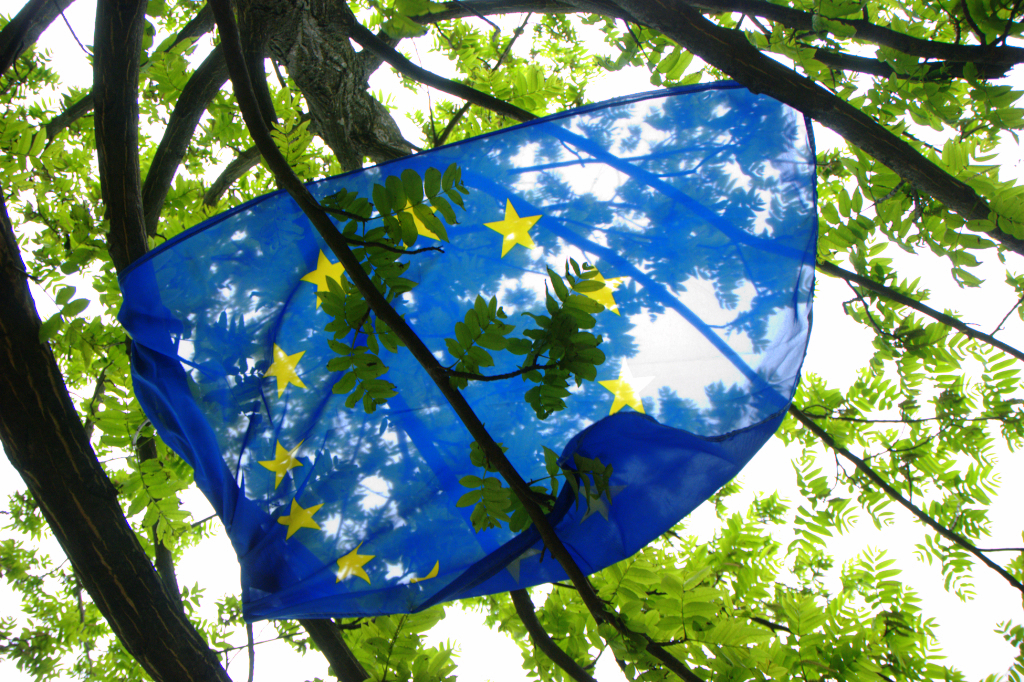
The Facing the Future fellowship programme supports established and emerging thinkers in reimagining liberal democracy.
Responding to a time when the promises of the liberal order are being questioned, the programme combines independent research, critical exchange and public engagement to inject fresh thinking into concepts such as freedom, solidarity, sovereignty and belonging.
The crisis confronting liberal democracy is not simply a crisis of institutions. It is a crisis of ideas. Across the world, the core promises of the liberal order have lost their lustre and credibility for many of the people they were meant to serve. The rise of illiberal movements is not an anomaly but a symptom of deeper tensions and transformations that politics are scrambling to address.
Europe is where these questions are particularly pressing, because the European Union is, at its core, a liberal project. Its legitimacy, its enlargement, its institutional architecture and its vision of political cooperation beyond the age of empires, all rest on foundations that are now contested from within and from outside. The fate of the EU and the fate of liberalism are, in this sense, the same question.
Inspired by figures such as Jan Patočka and Václav Havel, Facing the Future supports thinkers who dare to ask hard questions, critically examine liberalism’s shortcomings, engage seriously with its critics and develop new intellectual frameworks for contemporary Europe. Their work unfolds in public, creating space for reflection and bringing ideas to those with the power and responsibility to act.
In the 2026-27 academic year, the Facing the Future Fellows are Gazela Pudar Draško, Thomas Gomart, Kristijan Fidanovski, Laura K. Field, Jan-Werner Müller, Sergey Radchenko, Sophia Rosenfeld, Moritz Schularick, and Anna Wojciuk. The fellows pursue individual research topics, meet as a cohort several times throughout the year and contribute to public and policy debates through publications, events and media engagement.
Meet the 2026/2027 Cohort
-
Kristijan Fidanovski
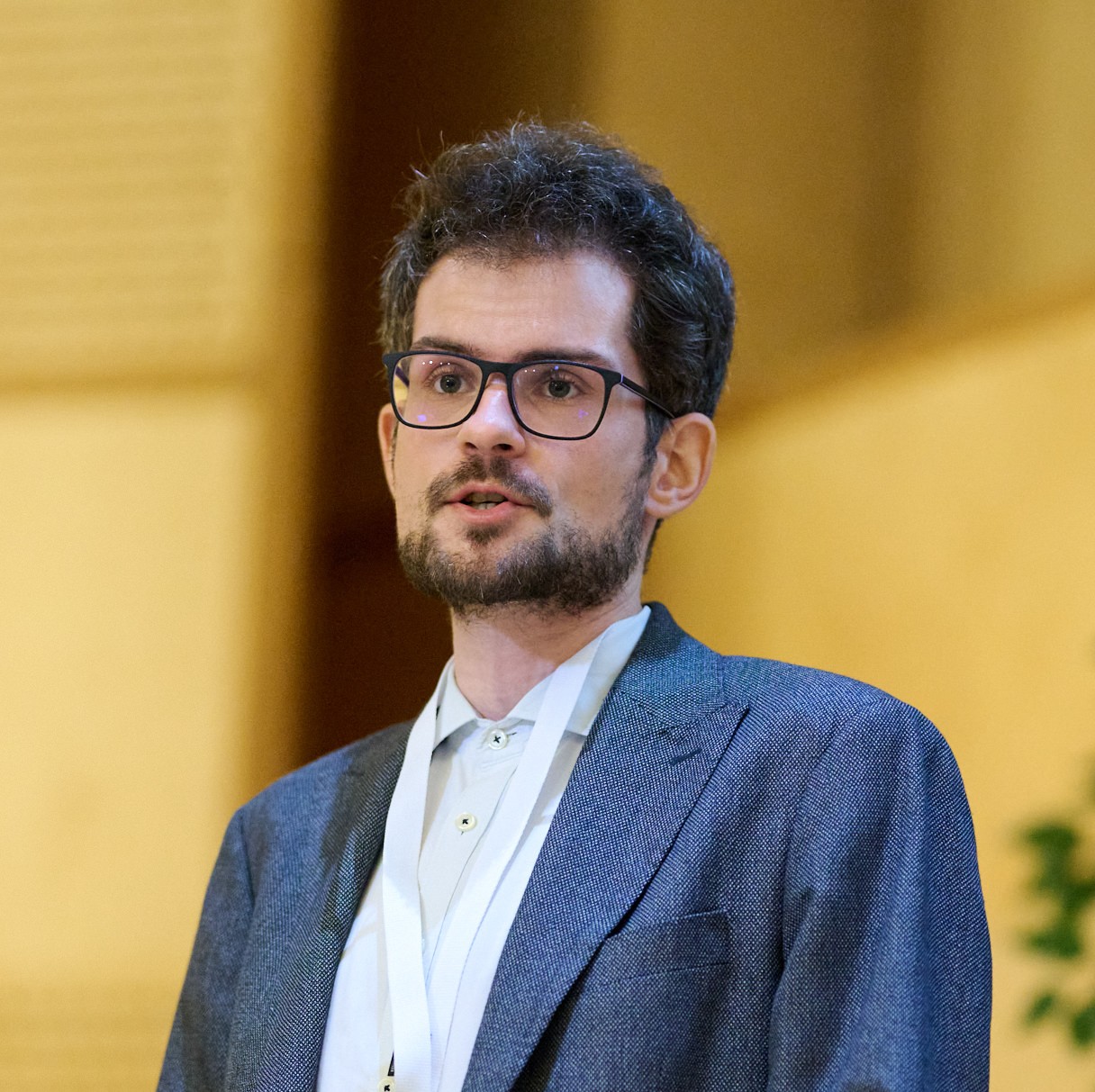
Kristijan Fidanovski is an economist whose research spans demographic politics, welfare state design, and Eastern European political economy. Based at the Vienna Institute for International Economic Studies (wiiw), he examines the discursive representation, policy manifestation, political drivers, and fertility effects of pronatalism in Eastern Europe: a set of questions connecting the economic sociology of family policy to the political sociology of natalist and nationalist movements.
-
Laura K. Field
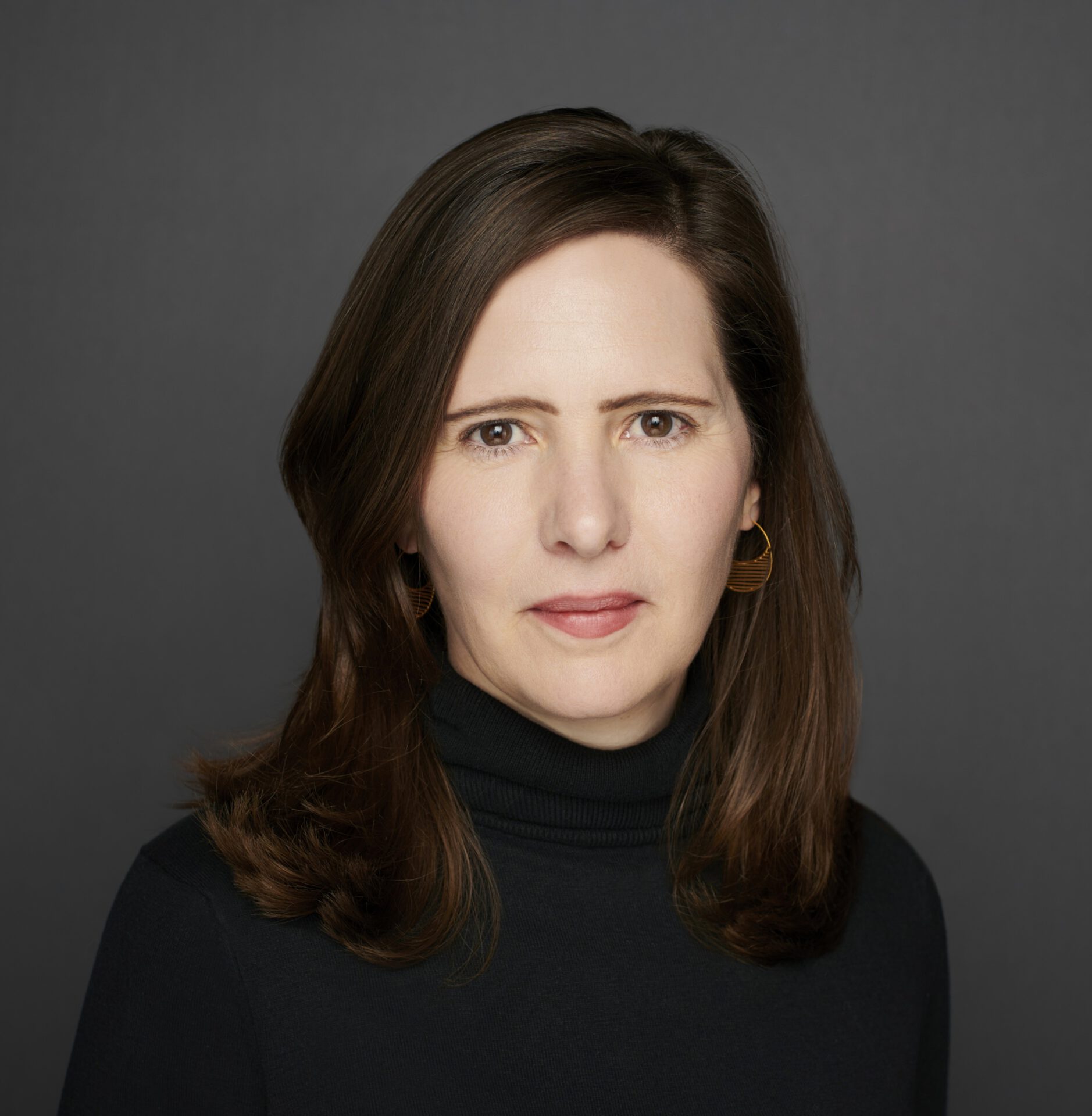
Laura K. Field is one of the key analysts of the intellectual background to the American New Right, a subject of direct relevance for understanding the broader global illiberal turn. Her book Furious Minds: The Making of the MAGA New Right (Princeton University Press, 2025) provides the first rigorous insider-account of the network of academics, public intellectuals, and influencers (Patrick Deneen, Christopher Rufo, Peter Thiel, JD Vance and others) who have provided ideological fuel to the Trumpist revolution.
-
Thomas Gomart
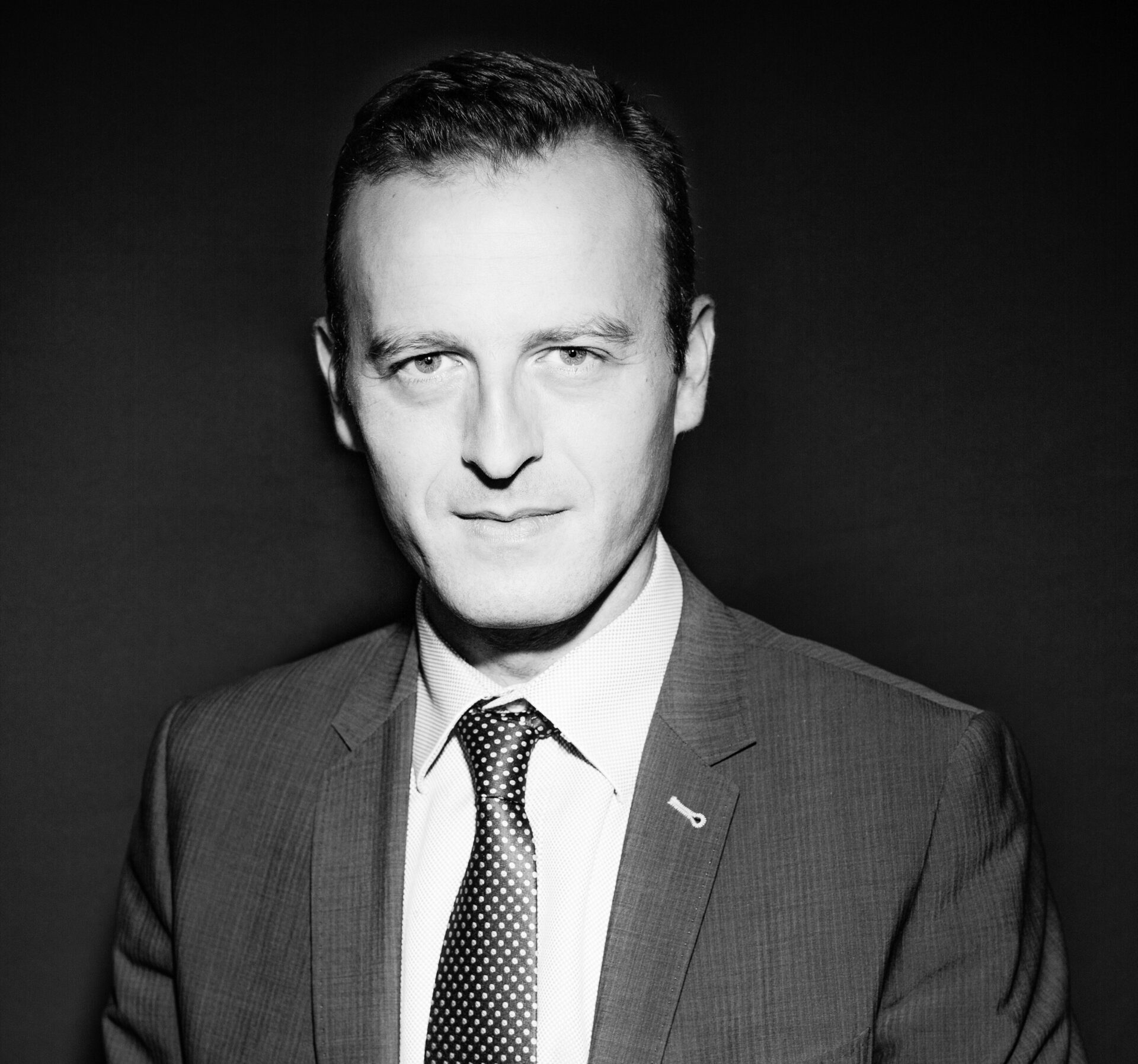
Thomas Gomart is the director of IFRI, France’s leading foreign policy think tank and one of Europe’s most influential, since 2015, and a historian of international relations by training, who combines scholarly depth with direct exposure to research and making of policy. His recent books (L’Affolement du monde (2019), Guerres invisibles (2021), Les Ambitions inavaouées (2023), and L’Accélération de l’histoire (2024)) constitute a sustained analytical account of a world veering beyond the frameworks of the international (liberal) order.
-
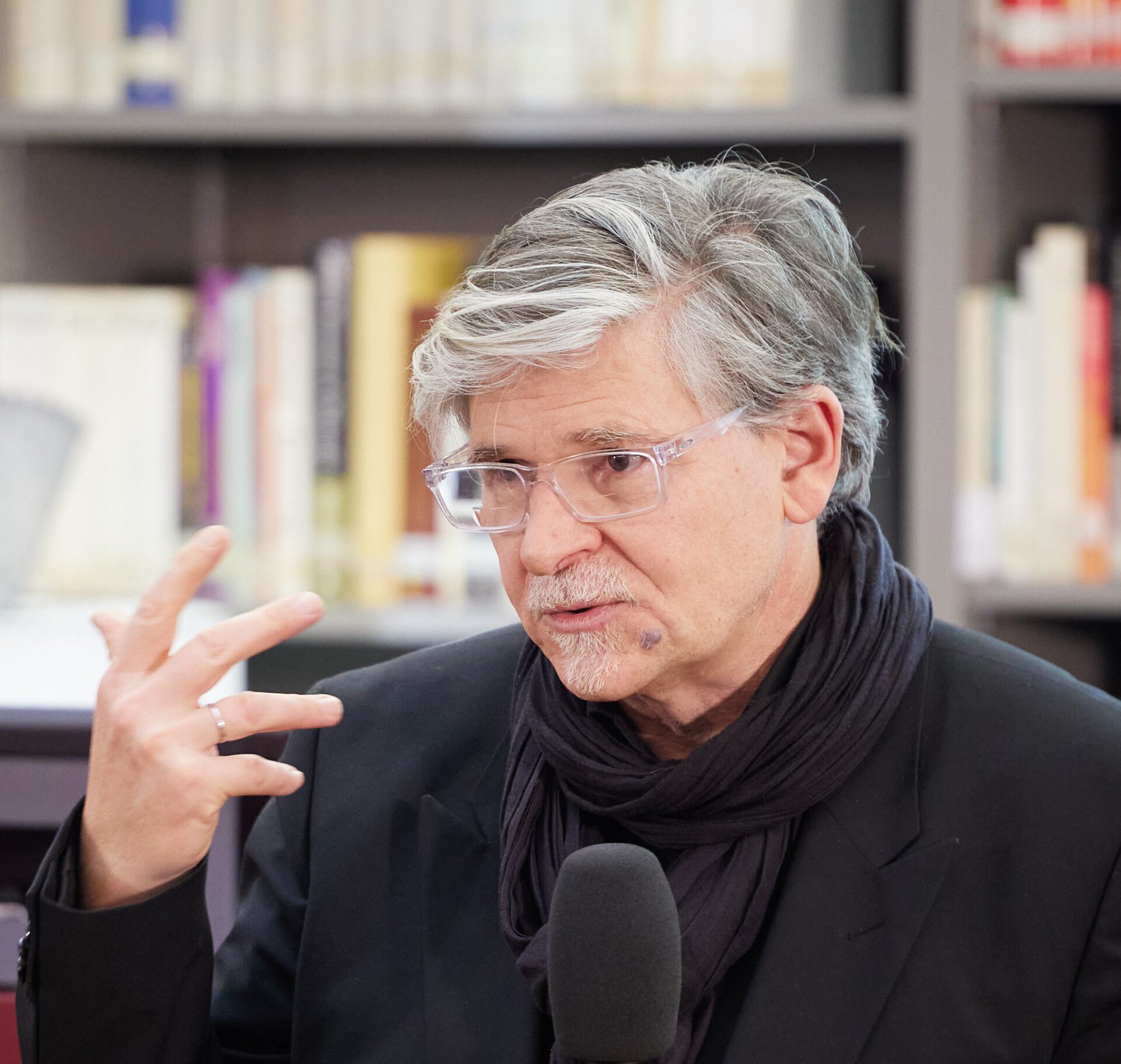
Jan-Werner Müller
Jan-Werner Müller is one of the most widely cited political theorists working on democracy and populism today whose work bridges the U.S. and European contexts – a highly relevant interlocutor for discussing the transatlantic dimensions of liberalism’s crisis.
-
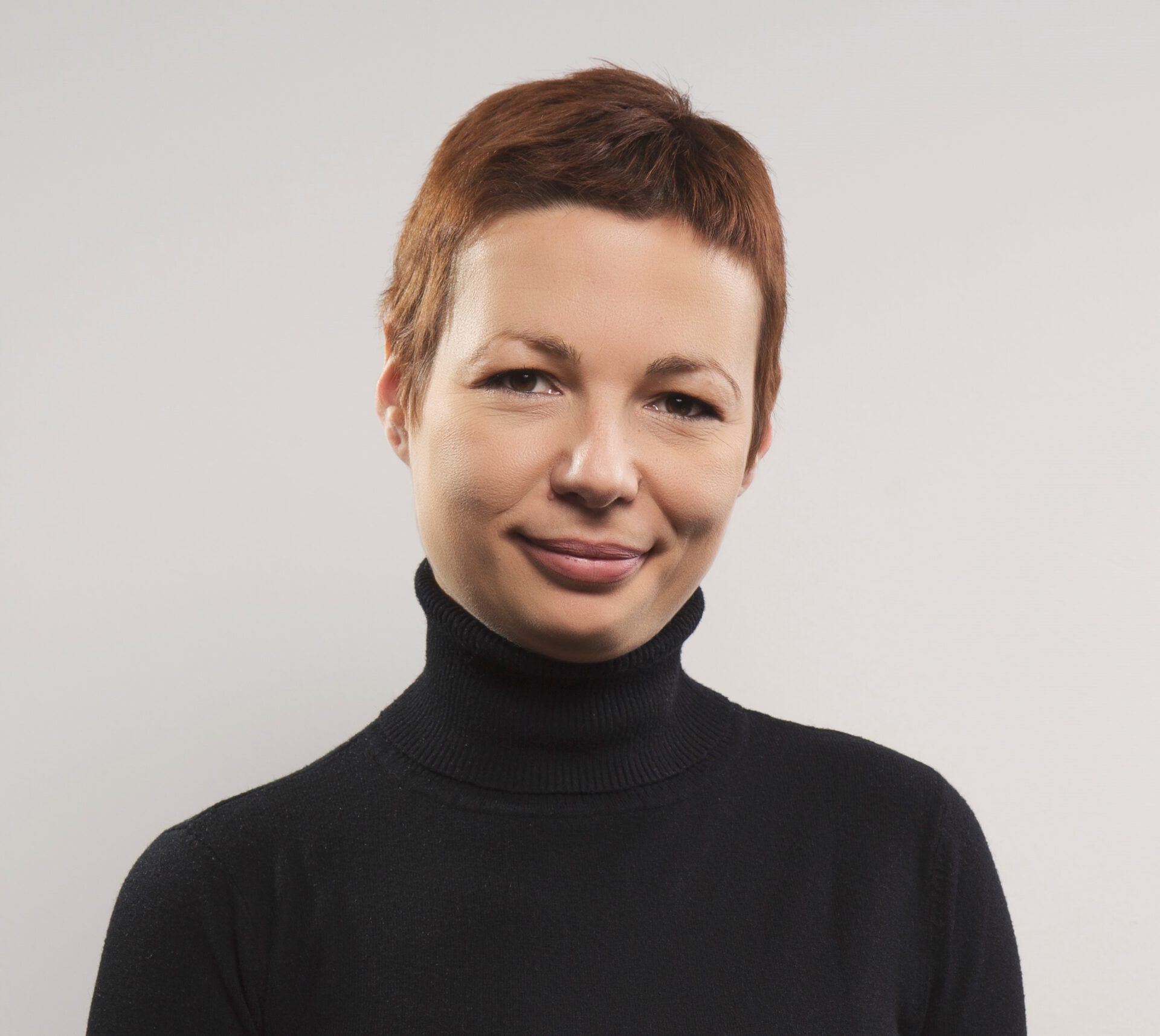
Gazela Pudar Draško
Gazela Pudar Draško is a political sociologist and a prominent younger intellectual in Serbia and Western Balkans. As Director of the Institute for Philosophy and Social Theory at the University of Belgrade, she leads research on social movements, participatory democracy, the sociology of intellectuals, and dynamics of hybrid regimes. Her work on student-led protests in Serbia, examining how civic mobilization operates within the constraints of a semi-authoritarian/competitive-authoritarian political system, gives insight into how democratic resilience actually looks like under pressure.
-
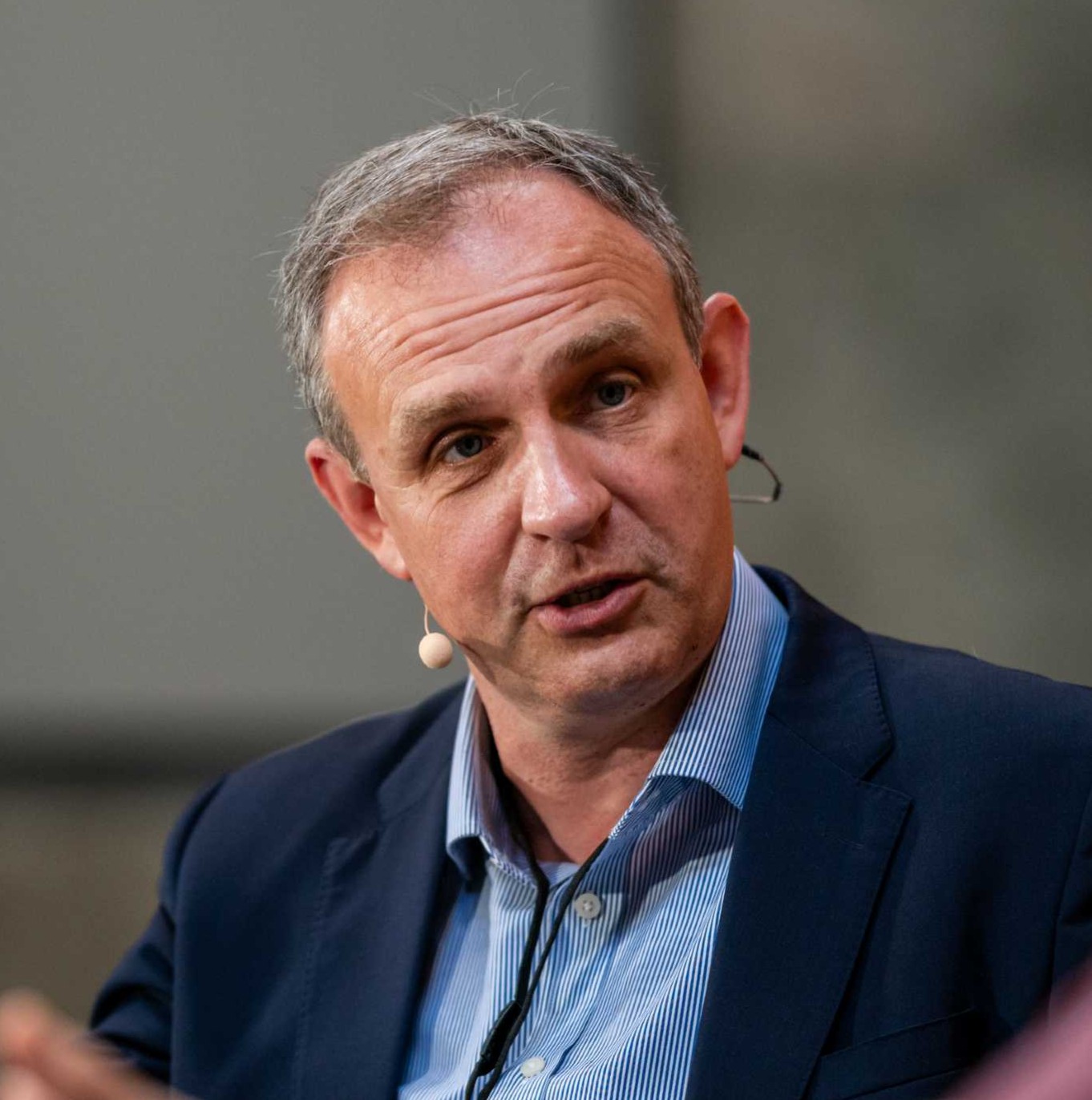
Sergey Radchenko
Sergey Radchenko is among the foremost historians of the Cold War and Soviet foreign policy, uniquely positioned to offer analysis of Russia’s contemporary behavior and the structural dynamics of great-power rivalry. His history “To Run the World: The Kremlin’s Cold War Bid for Global Power” (Cambridge University Press, 2024) – making the point that Kremlin foreign policy has always been driven as much by the desire for recognition and legitimacy as by material interest – is essential for understanding the origins of Russia’s war in Ukraine and its broader geopolitical context.
-
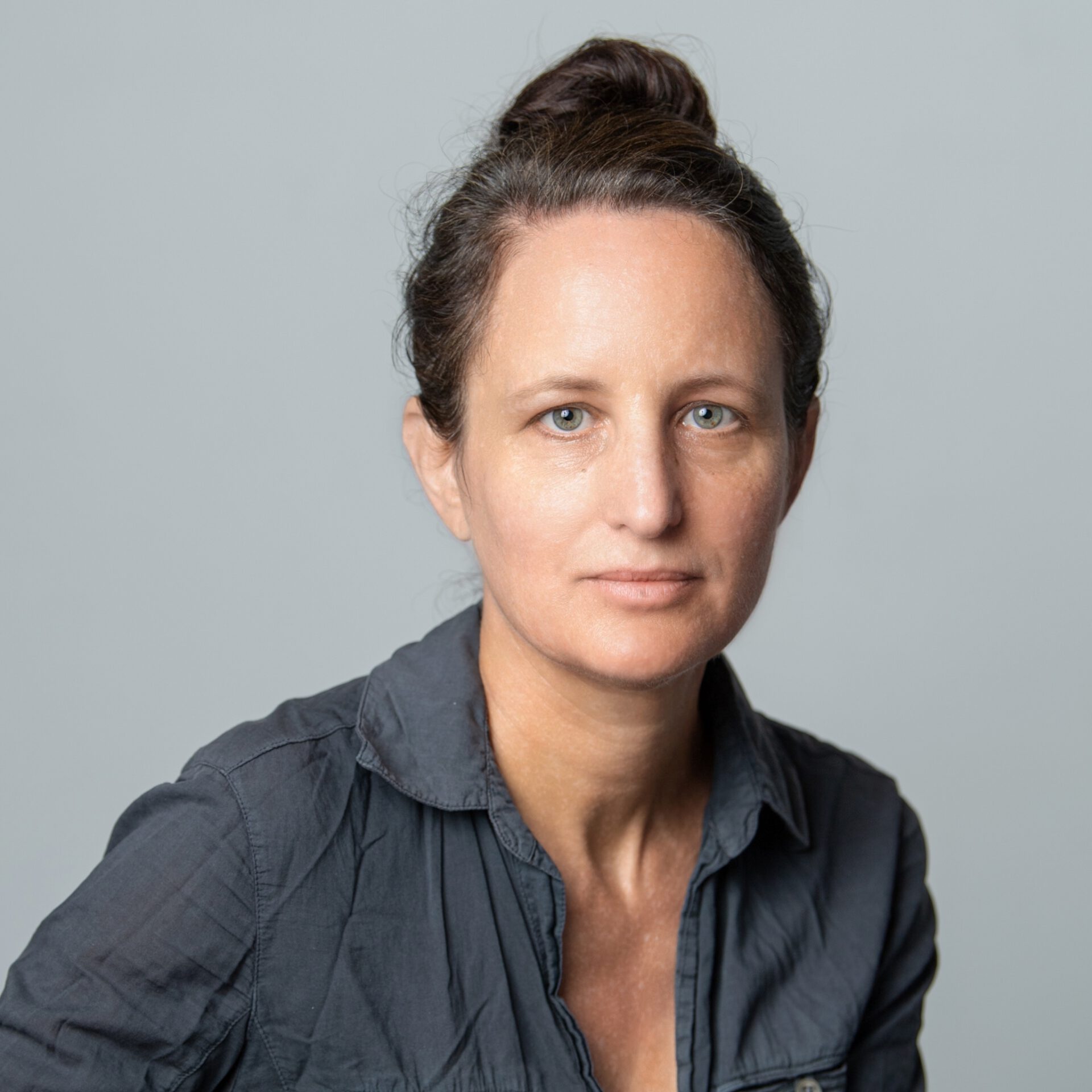
Sophia Rosenfeld
Sophia Rosenfeld is a leading historian of the Enlightenment and the trans-Atlantic Age of Revolutions whose work explains the deep historical roots of liberalism’s current discontents. Her most recent book, The Age of Choice: A History of Freedom in the Modern World (Princeton, 2025), the winner of the István Hont Prize in intellectual history, traces how the idea and practice of choosing from menus of options came to shape modern life, from consumer culture and religious freedom to human rights and political identity – i.e. how freedom of choice became simultaneously liberalism’s greatest achievement and one of its most destabilizing promises.
-
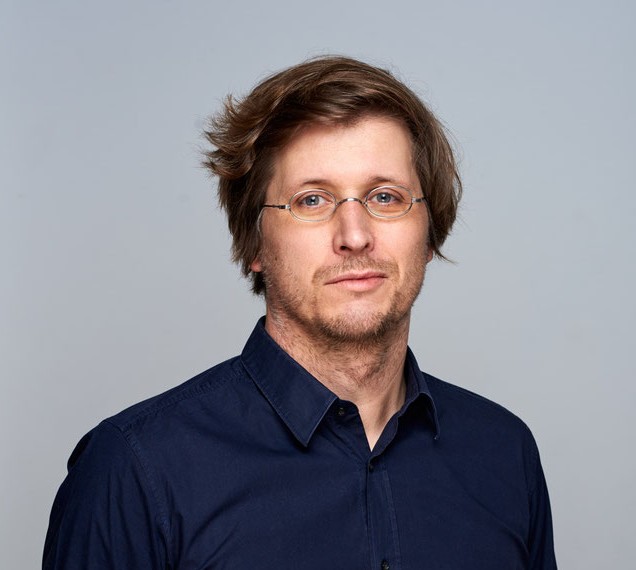
Moritz Schularick
Moritz Schularick is among Europe’s most internationally recognized macroeconomists, whose research includes credit cycles, financial crises, the political economy of debt, as well as the political consequences of financial crises, and is highly significant to understanding how economic grievance has fueled illiberal politics across the Western world.
-
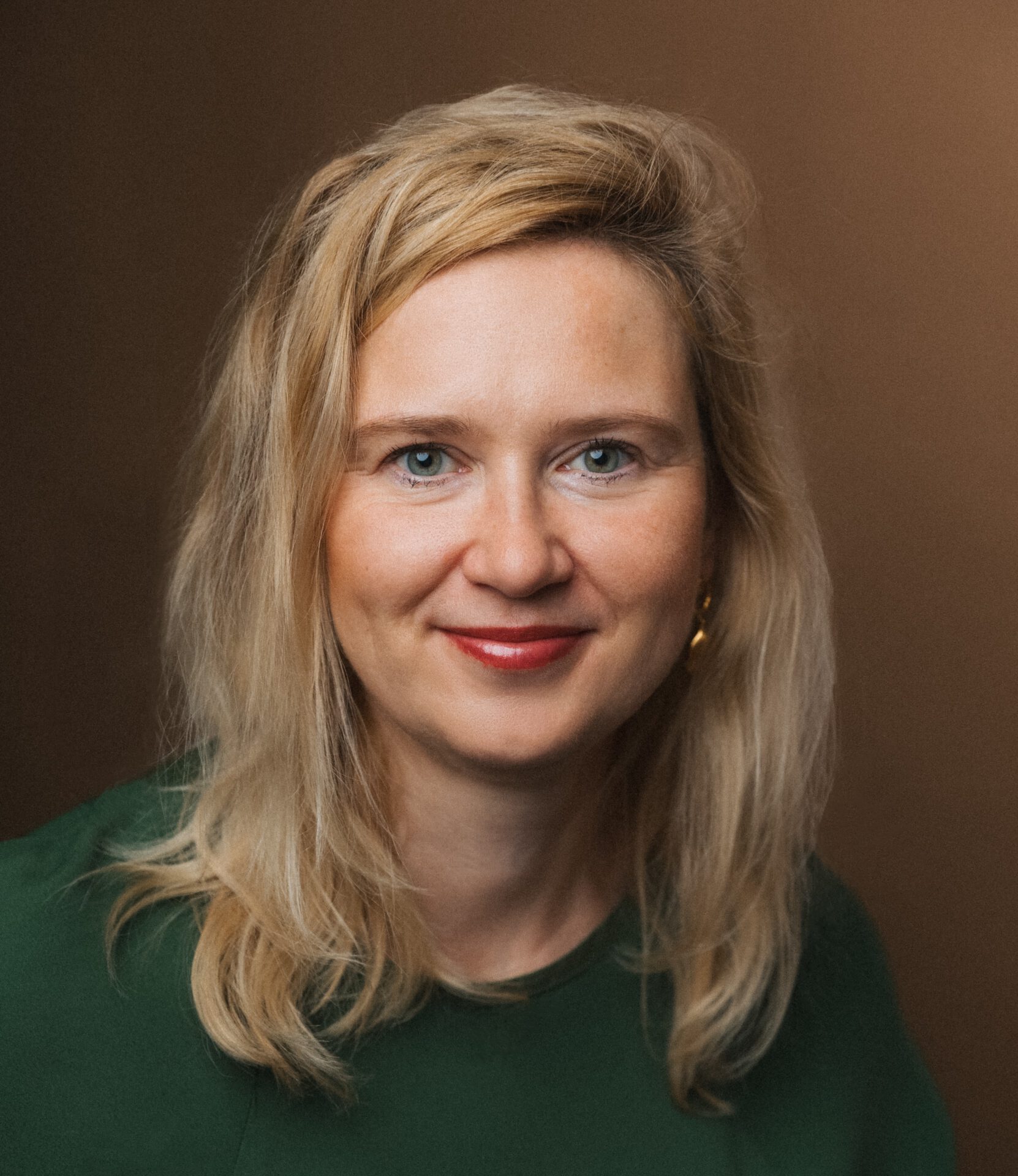
Anna Wojciuk
Anna Wojciuk is a multidisciplinary international relations scholar whose work spans IR theory, the foreign policy of populist governments, the international dimensions of education and science, and the evolving architecture of European sovereignty. Her knowledge of Polish politics and society, and her active role in Poland’s intellectual and reform-oriented public life, make her an important voice on post-authoritarian democratic renewal.
The 2026/27 cohort examines aspects of the illiberal turn – its intellectual origins, psychological and sociological drivers, and historical analogues – alongside new frameworks for liberal responses.
Partner
The Facing the Future program is run in strategic partnership with the Institute for Human Sciences (IWM), and succeeds the acclaimed Europe’s Futures programme, which the two partners jointly implemented from 2018 to 2026.