Journal
29 June 2026
Reading Time: 2'
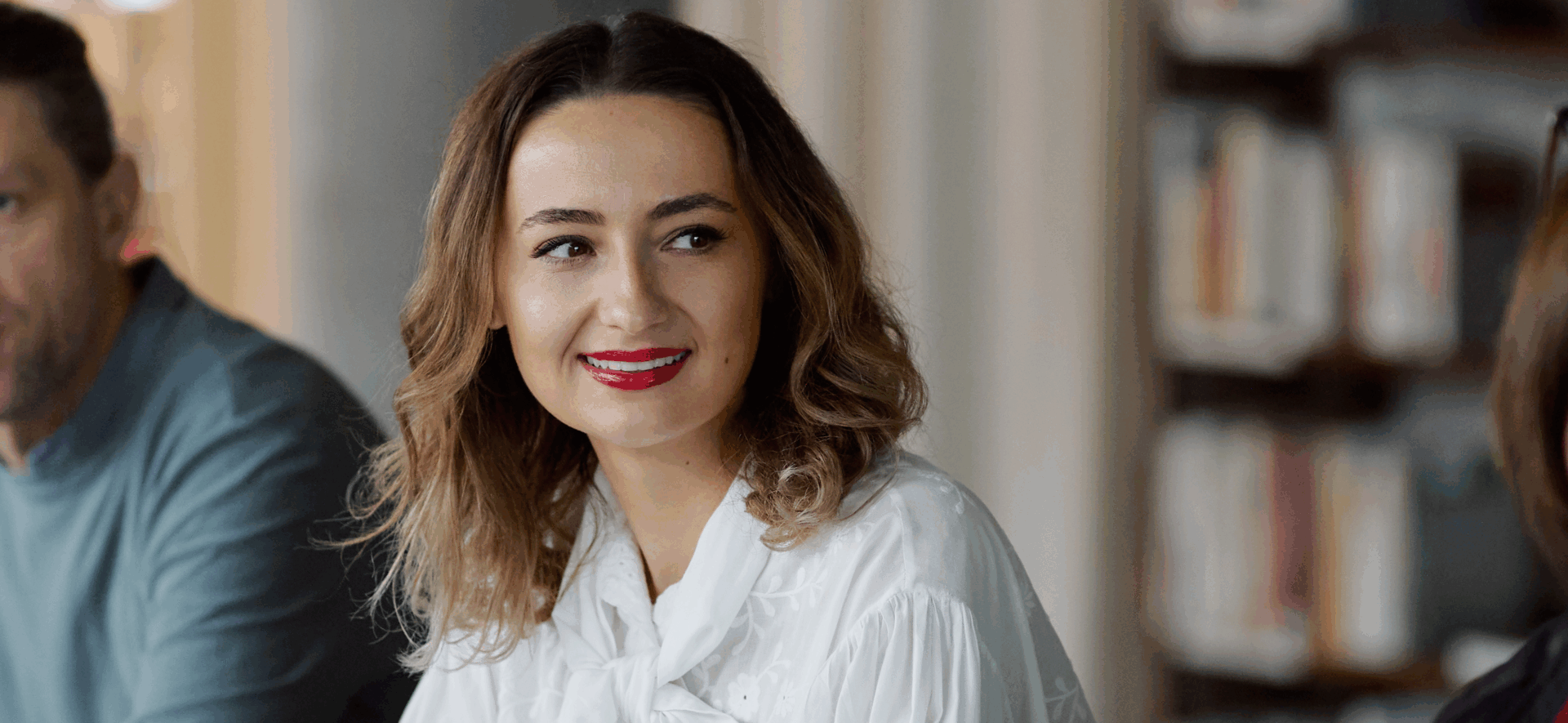
Three Questions to Ana Maria Cretu
Ana Maria Cretu, Director of Social Impact Investment, ERSTE Foundation
After a career in Social Banking in Romania, Ana joined ERSTE Foundation to further intensify her focus on inclusive finance even more. She leads the foundation’s strategy and initiatives in social impact investment. Helping organisations with great ideas on how to solve social and environmental problems to build sustainable models is what’s driving her most, because entrepreneurism can be a great starting point for systemic change that benefits all. Obviously, Ana is also in charge of the Marc Impact Programme, that’s been set up with local partners in six countries to support organisations on their way to creating impact as well as viable business cases.
ERSTE Foundation The Marc Impact Programme has recently finished its second run and 99 impact organizations from six countries have applied. They are active in various fields, from bionic hand protheses to seed bombs for reforestation. However, are there any patterns that are common among these types of organizations in CEE?
Ana Maria Cretu A clear pattern lies in the founders: they are driven by purpose and a deep belief in their mission. They build patiently, guided by strong values, prioritising impact over speed and community over transactions, and remain committed despite many challenges.
EF Marc provides a lot of individual coaching and aims to support organisations in increasing their impact as well as making them investable. Obviously, its goal is to make these companies successful. How confident are you that they will succeed?
AMC Some are already succeeding. Taking organisations from Romania in Marc’s first year (2024-2025) as an example, nearly half reported revenue growth above 20%, alongside improved profitability after individual mentoring. Others formed cross-border partnerships, launched new products, expanded distribution channels, and scaled their impact.
EF Your focus at ERSTE Foundation is on Marc and impact investment. Can impact truly be business?
AMC It must. We can no longer define success only by repeatedly fixing problems through unsustainable interventions. We need long-term goals that give society clear direction and a resilient mechanism to achieve them. Without business, impact remains fragile, and the problems return.