Journal
12 August 2026
Reading Time: 9'

Starting Anew: 20 Years of Zweite Sparkasse
»With Die Zweite Sparkasse, we bring new life to the almost 200-year-old savings bank idea.«
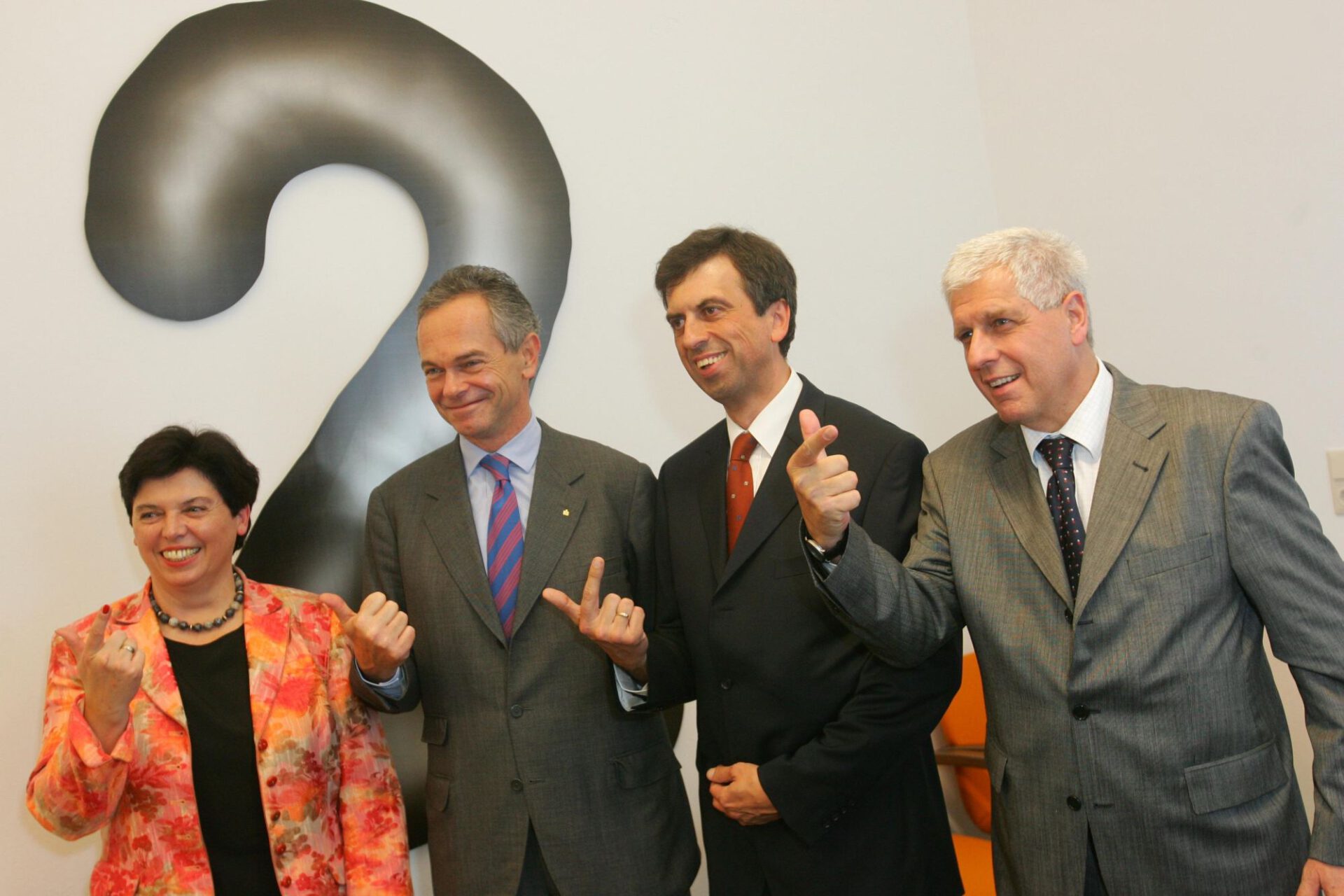
When Zweite Sparkasse opened the doors of its first branch in November 2006, this was a logical continuation of the original savings bank purpose for Andreas Treichl, then Chairman of the Board of ERSTE Foundation and Erste Bank. »The savings banks were established right here in Vienna’s second district as institutions serving the common welfare. ERSTE Foundation thus transfers the founding principles of the savings banks to the social reality of modern life. Back then the aim was – and still is today – to strengthen people’s personal responsibility and development by providing them with simple financial services,« said Treichl at the opening.
Sometimes it takes a second chance
Overcoming difficult financial situations can take years and is often accompanied by feelings of fear, shame and hopelessness. It is precisely people in situations like these that Zweite Sparkasse aims to support.
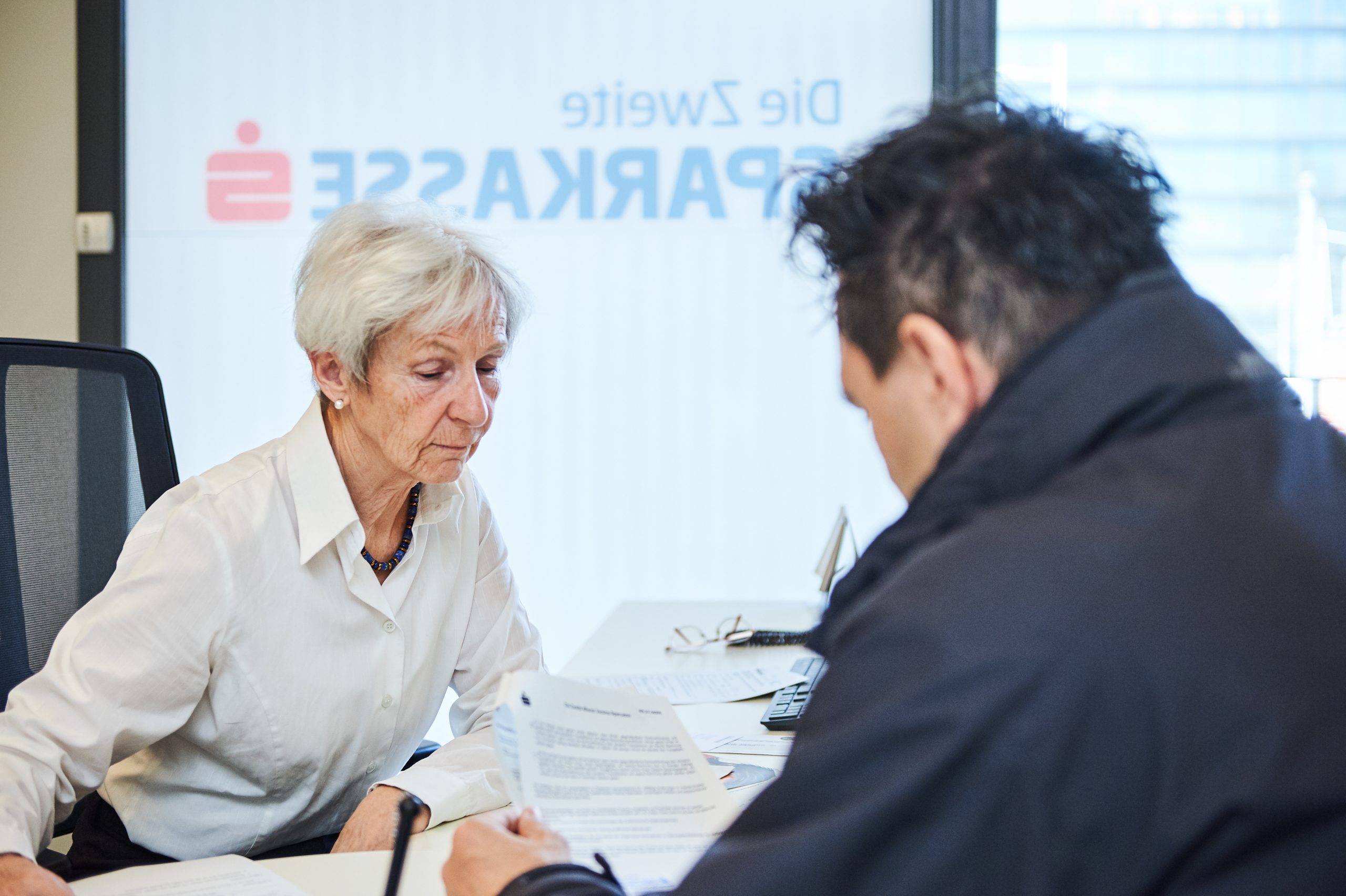
It doesn’t take much to fall into financial difficulties. Take Sabine O., for example, who was left with her husband’s debts in the wake of their divorce and could no longer make ends meet. When she finally sought debt counseling, it was the attention and care offered by staff at the Zweite Sparkasse that gave her hope: »…they make you a little less scared of the future. They say, ‘We’ll sort it out, together.’«
During its first 10 years of existence, Zweite’s focus was primarily on providing individual counselling and, crucially, giving people without access to banking services a current account. Being a »bank for the unbankable« was particularly important because, at the time, many people were simply unable to obtain an account. In already precarious circumstances, this further limited their access to the labour market, their ability to pay bills, and their participation in modern economic life. In this respect, Zweite Sparkasse was unprecedented.
Even when the legal right to a basic bank account was introduced in 2016, it did not make Zweite Sparkasse any less relevant. On the contrary, the bank went on to specialise in developing account models designed to better support people on their path back to financial independence.
Resounding Success
Over the past 20 years, around 28,000 people have received support from volunteer employees of Erste Bank in one of its eight branches across Austria. The goal is to help them achieve a lasting return to independent financial life. In this sense, Zweite Sparkasse is probably the only bank that is happy to lose its customers.
One of the 380 currently active volunteers is Bianca Schwabl, Branch Manager at Erste Campus. For her, volunteering with Zweite Sparkasse means »actively taking on social responsibility and making a contribution to people who find themselves in challenging life situations.« What makes Zweite Sparkasse so special for her is the commitment of its employees and its friendly atmosphere:
»Especially our retired colleagues contribute their experience, knowledge and time with great dedication and a healthy dose of humor. (…) Everyone pitches in, mutual support is part of everyday life, and our shared goal always comes first. This spirit of teamwork makes the collaboration so special and demonstrates what is possible when people work together with conviction and passion for a common cause.«
Courage for the Future
An anniversary is not only an occasion to celebrate past achievements, but also to look toward the future. »With its new strategic direction, Zweite Sparkasse is taking a bold and innovative step: It combines immediate assistance with preventive financial education, thereby creating sustainable opportunities for financially disadvantaged people. (…) My vision is to make our services scalable enough that we can provide support to everyone who wishes to receive it,« explains Rupert Rieder, CEO of Zweite Sparkasse.
What will not change, however, even in the next 20 years, is the central purpose: Zweite Sparkasse stands for the promise that no one should be permanently excluded from financial participation. For Boris Marte, Managing Director of the ERSTE Foundation at the time, the significance of the Zweite Sparkasse stems »not only from its importance to its customers, but also from its importance to those who do not currently need the Zweite. Because they know that if life takes an unexpected turn, there will be a safety net to catch them.«
The value of Zweite Sparkasse reaches well beyond financial assistance. By helping people regain confidence and hope for the future, it also reinforces trust in our institutions and strengthens the fabric of society.
Five Questions to Annunziata Magis
20 years after its founding, Zweite Sparkasse remains a prime example of ERSTE Foundation’s social responsibility. It demonstrates that the original savings bank idea has lost none of its relevance: opening up opportunities for people, enabling their participation, and supporting them in shaping their own futures through their own efforts. In a short interview, Annunziata Magis explains how the idea for the Zweite Sparkasse developed, the role of ERSTE Foundation in its founding, and how Zweite Sparkasse inspires other projects in the field of financial inclusion. She was a founding member of the Zweite Sparkasse in 2006 and is now working as Expansion Lead at at the Financial Life Park (FLiP).
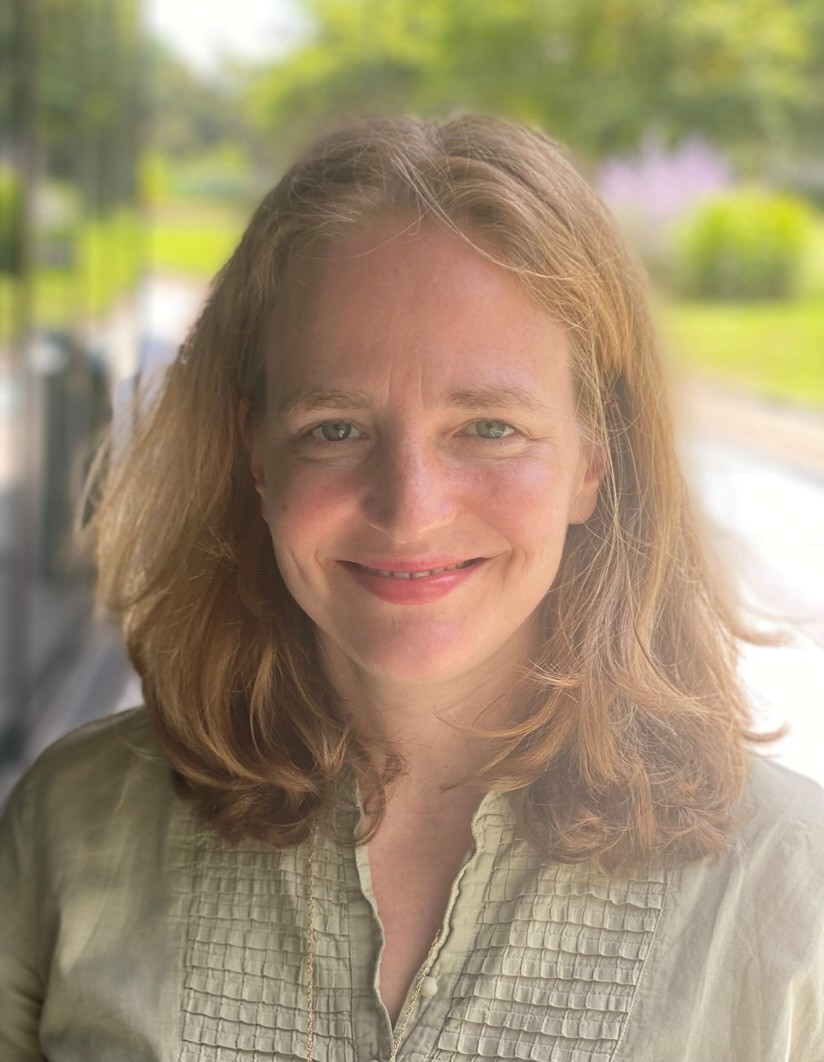
ERSTE Foundation How did the idea of a »bank for people without access to banking services« first emerge within the Sparkassen- and ERSTE ecosystem?
Annunziata Magis I was working at Caritas at the time and saw every day how difficult life is without a bank account. Since there was still no right to a basic account in Austria in 2006, the fees for cash withdrawals placed an additional burden on our clients’ already very tight budgets. Because Caritas and the debt counseling service brought this very predicament to the attention of ERSTE Foundation, a real solution to a real problem was developed. When Boris Marte presented the concept to the founding association, I was immediately enthusiastic because Zweite Sparkasse closed this gap for the people we serve.
EF Beyond providing the initial capital, how did ERSTE Foundation actively shape the concept and governance model of Zweite Sparkasse?
AM From the very beginning, ERSTE Foundation not only provided the financial backing for Zweite Sparkasse but also helped build it up as an independent savings bank. The fact that the products – whether accounts or insurance policies – were adapted so precisely to what was actually needed is because NGOs were truly listened to and consulted. Gerhard Ruprecht (one of the first two board members of Zweite Sparkasse) is a particularly great role model: with incredible patience, he shaped this process. It is only because of this that something was created that provides people with lasting support.
EF How does Zweite Sparkasse reflect the historical mission of the savings bank movement and the Foundation’s social responsibility?
AM »No age, no gender, no social class, no nationality is excluded from the benefits that the savings bank offers to every depositor.« The Second Savings Bank is putting this philosophy of the First Austrian Savings Bank of 1819 into practice: It creates access tailored precisely to the needs of those who would otherwise be excluded. The fact that this is simply the right thing to do is evident in the tremendous support from the many volunteers. The first meetings and celebrations for the volunteers took place at St. Leopold Parish, beneath the portrait by Johann Baptist Weber. The Second Savings Bank demonstrates that ERSTE Foundation views its social responsibility as a concrete mission to foster genuine social participation.
EF Has Zweite Sparkasse inspired other projects in the realm of financial health and economic inclusion?
AM Yes, absolutely! Without Zweite Sparkasse, FLiP (Financial Life Park) wouldn’t exist today. Thanks to the work of the many volunteers at the Zweite Sparkasse branch, it became clear that financial health must start with young people; and as early as possible. Zweite Sparkasse’s first concrete financial education project was the I €AN financial education program, launched in 2009. The idea behind it was that, by focusing on education, there would eventually be fewer people who would even reach a point where they needed the services of Zweite Sparkasse. About ten years after Zweite Sparkasse was founded, this knowledge and the experience gained from the workshops went directly into the creation of FLiP
EF What has been the most important lesson about financial inclusion learned over the past two decades?
AM The most important insight is that financial education alone is often not enough. Knowledge is essential, but people facing complex financial crises also need very practical tools. A great example of this is the »Supervised Account« at Zweite Sparkasse, initiated by Alexander Maly (former director of the Vienna Debt Counseling Service): It offers those affected exactly the structure they need to get their finances back under control. Sustainable inclusion can only be achieved when education, the right products, and reliable support work together.
About Annunziata Magis
Annunziata Magis is Expansion Lead at FLiP (Financial Life Park). As one of Caritas’ representatives, she was a member of the founding association of the Zweite Sparkasse and joined Erste Group two years later. Among other responsibilities, she initially supported the development of a social impact measurement system for a microfinance institution in Romania before taking on the role of Project Lead for the creation of FLiP within the Erste Hub. In 2022, she returned to build and scale FLiP’s social franchise system.
Photo credits: cover image – © Marlena König