Event
9 December 2026
Reading Time: 2'

Time To Decide Europe Summit 2026
9 December 2026, 09:00 – 21:00
Grand Hall, Erste Campus, Am Belvedere 1, 1100 Vienna
»In any moment of decision, the best thing you can do is the right thing, the next best thing is the wrong thing, and the worst thing you can do is nothing.« – Theodore Roosevelt
As the year draws to a close, attention is turning to the developments and forces that will shape Europe in 2027. Against a backdrop of geopolitical instability, economic uncertainty and rapid technological change, the decisions made in the year ahead will be more consequential than ever.
Yet Europe will face these challenges during a pivotal election cycle. Nearly half of the European Union’s citizens will head to the polls, from France and Poland to Finland and Italy, testing the continent’s ability to make difficult choices at a critical moment.
The Time to Decide Europe Summit will once again bring together distinguished experts, policymakers, business leaders and emerging voices to provide insight into the forces reshaping Europe and to explore the choices that will determine its future trajectory.
Format: The summit will be divided into three parts. First, ten leading experts from diverse professional and geographic backgrounds will reflect on the key decisions Europe is likely to face in 2027. After lunch, young leaders and emerging voices will discuss some of the long-term challenges and opportunities that will shape Europe’s future. Finally, we will take a closer look at the elections likely to have the greatest impact on Europe in 2027: the United States midterm elections and the elections in Poland, Italy and France.
Register hereAgenda
Coffee & Registration
Welcome and Introduction
Hedvig Morvai, Executive Director Europe and Democracy, ERSTE Foundation
Opening Remarks
Andreas Treichl, CEO, ERSTE Foundation
Keynote
Beate Meinl-Reisinger, Federal Minister for European and International Affairs
-
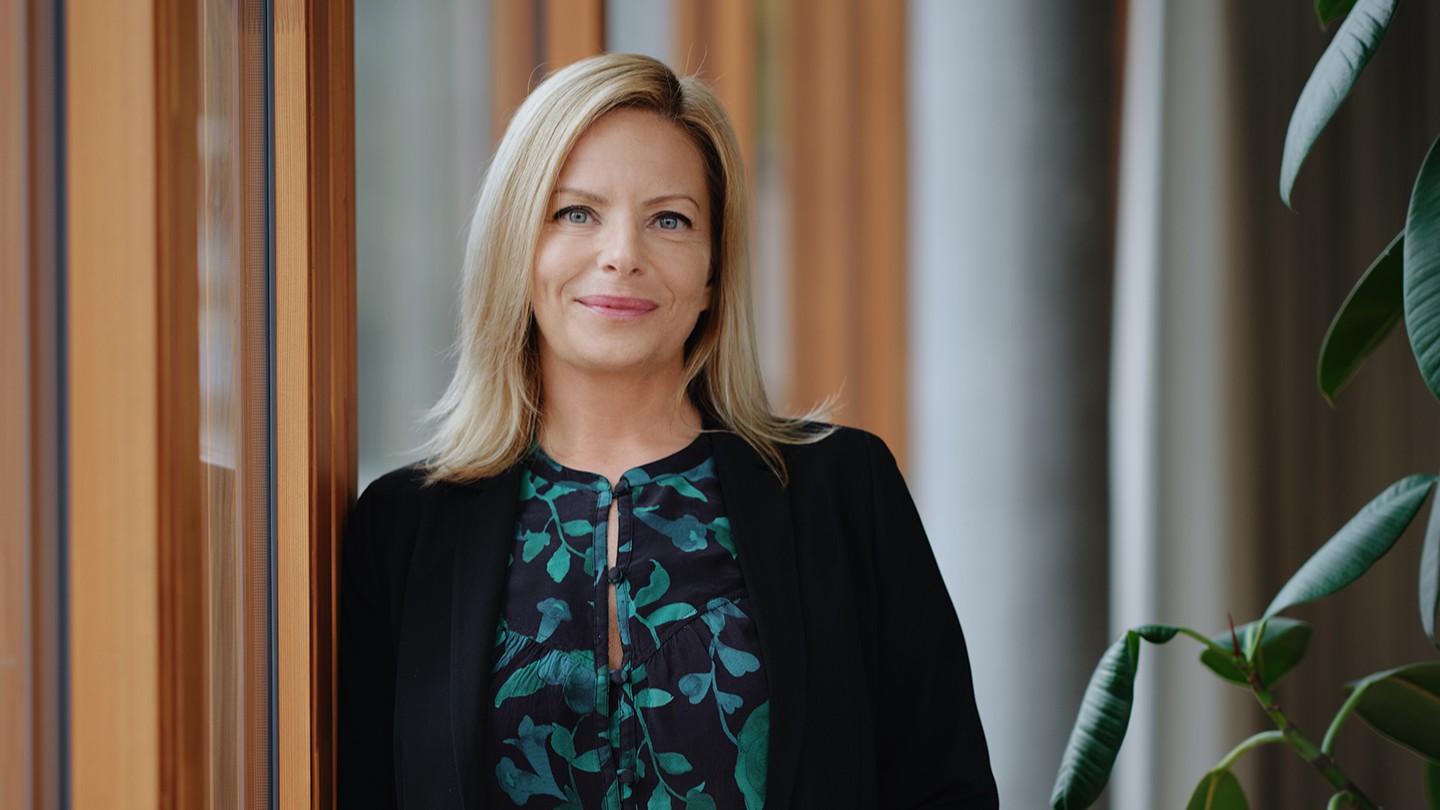
© ERSTE Foundation / Valerie Maltseva Hedvig Morvai
Hedvig Morvai is ERSTE Foundation’s Executive Director Europe and Democracy. She is responsible for the strategic development and implementation of initiatives, policies and strategies aimed at strengthening democracy in Europe.
-

© ERSTE Foundation / Valerie Maltseva Andreas Treichl
Andreas Treichl serves as CEO of ERSTE Foundation, Erste Group’s core shareholder, that serves the common good with a focus on financial health and strengthening a democratic Europe. He started his international career in banking at Chase Manhattan Bank. In 1997 he became CEO of the then small Austrian “Erste Bank”, now Erste Group, the largest retail bank in Central Europe. He remained its CEO until 2020.
-
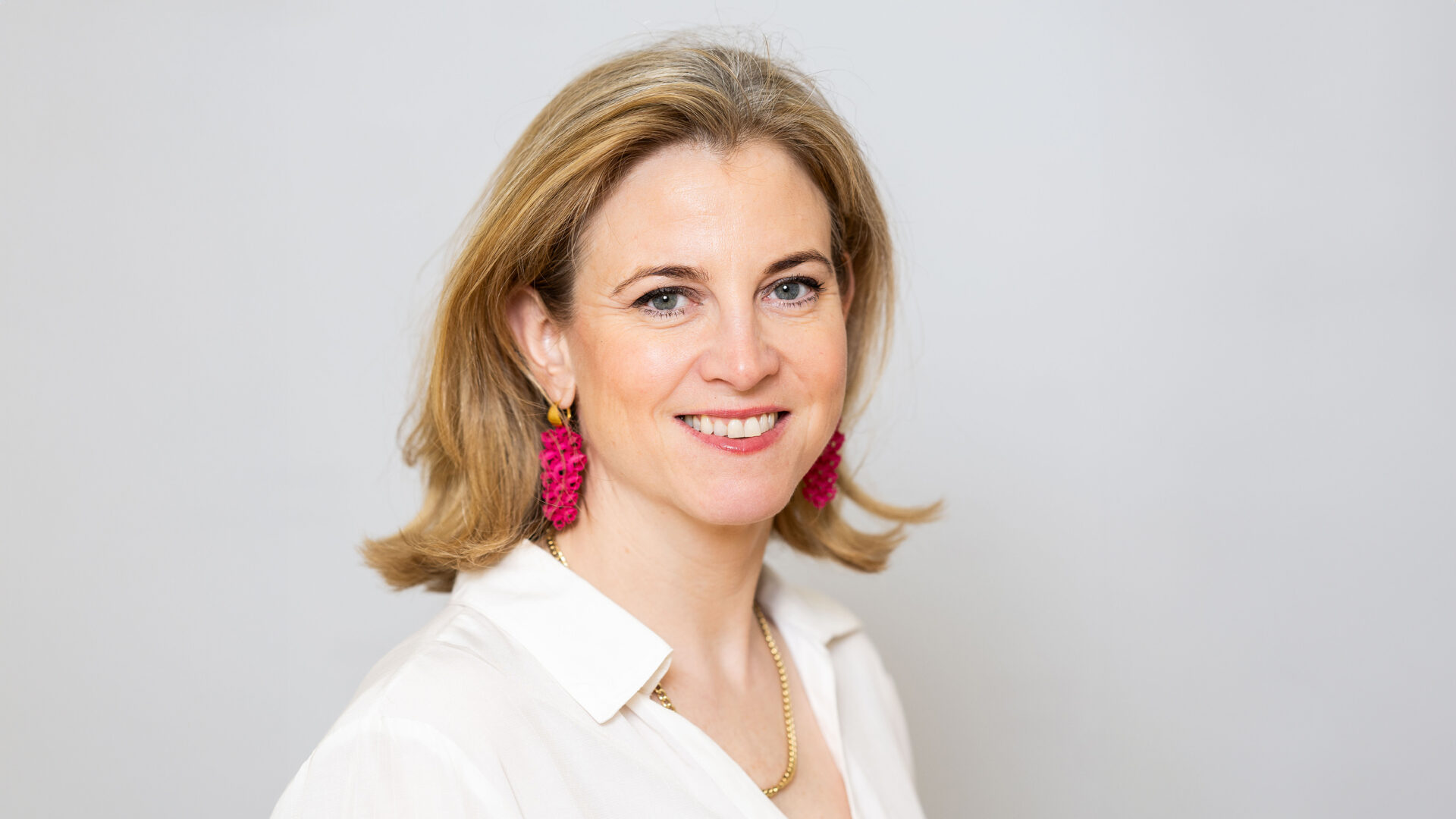
© BMEIA/ Michael Gruber Beate Meinl-Reisinger
Beate Meinl-Reisinger has served as Austria’s Federal Minister for European and International Affairs since March 2025. Strengthening Europe has long been at the heart of her work, from her roles in the European Parliament, the Austrian Federal Economic Chamber, and various ministries, to her leadership of NEOS, which she has chaired since 2018.
Part I: Decisions That will shape europe
Lightning Round & Panel Discussion
What are the most important decisions Europe will need to make in 2027? Ten leading experts from a wide range of professional and geographic backgrounds will offer their answers. Following a lightning round in which each speaker presents their top priority for Europe, the discussion will explore the major themes from multiple perspectives. By bringing together diverse insights and expertise, the session will provide a rich and forward-looking understanding of the strategic choices likely to shape Europe’s future.
-
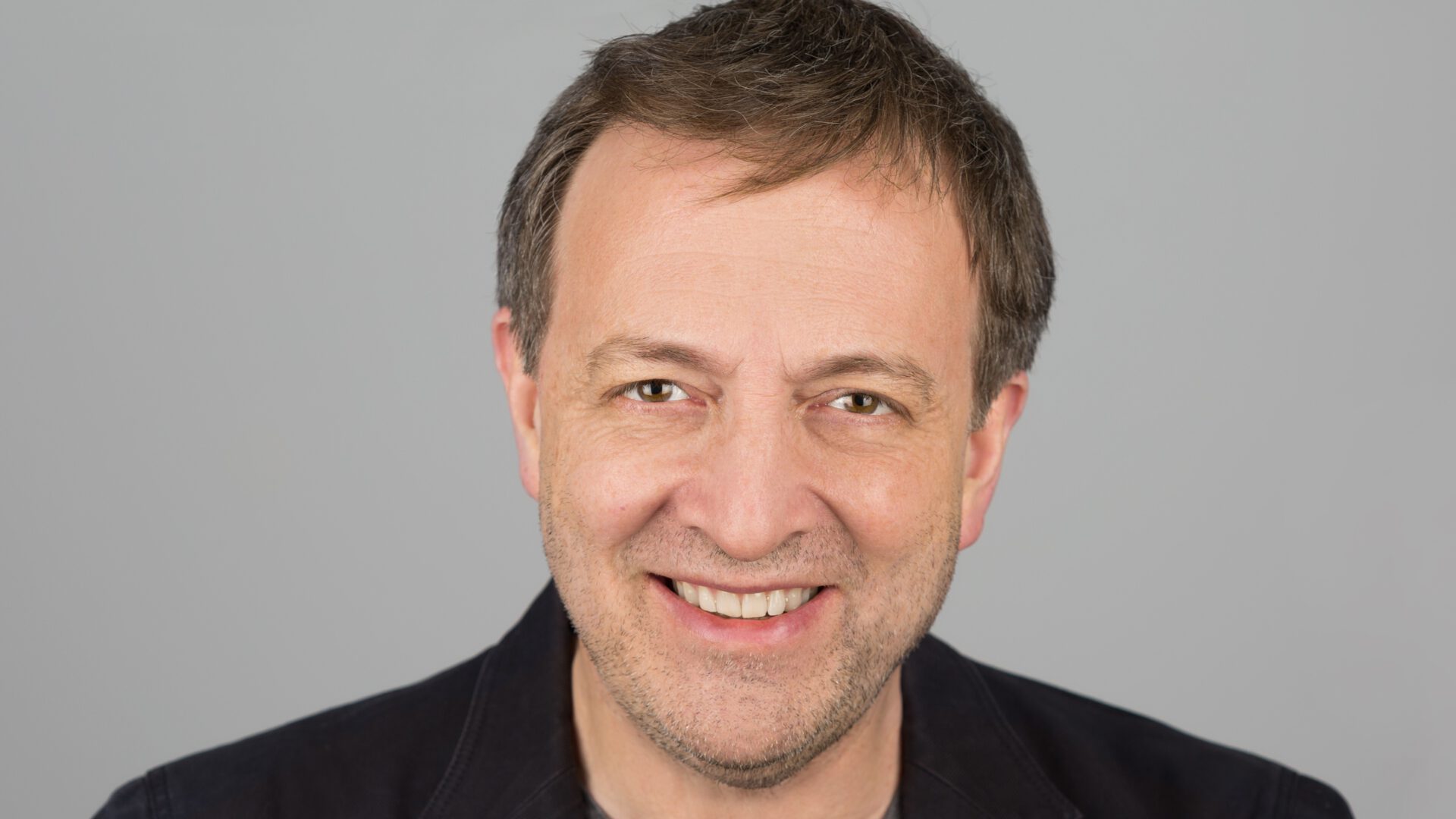
© Teresa Walton Misha Glenny
Misha Glenny is the presenter of the BBC podcast, In Our Time. A highly sought-after keynote speaker, he specialises in geopolitics, organised crime, and cybersecurity. Misha is an award-winning journalist and the author of six bestselling books, including McMafia: Seriously Organised Crime, which was adapted into a major BBC/AMC drama series; DarkMarket: How Hackers Became the New Mafia; and The Balkans: Nationalism, War and the Great Powers, 1804-2012. He served as Rector of the IWM from May 2022 to March 2026. Photo Credits: Teresa Walton
-
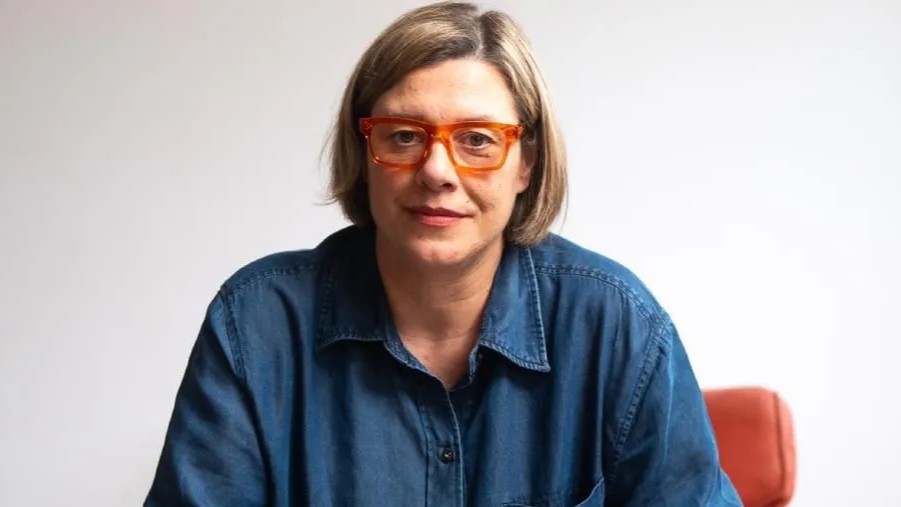
© Petra Travinic Ivana Dragičević
Ivana Dragičević is the founder of the Europe Future Centre, an award-winning international affairs journalist, author and strategic communication expert. She is also a member of the Europe’s Futures Initiative and the Head of the Croatian Chapter of the Trilateral Commission. Photo Credits: Petra Travinic
-
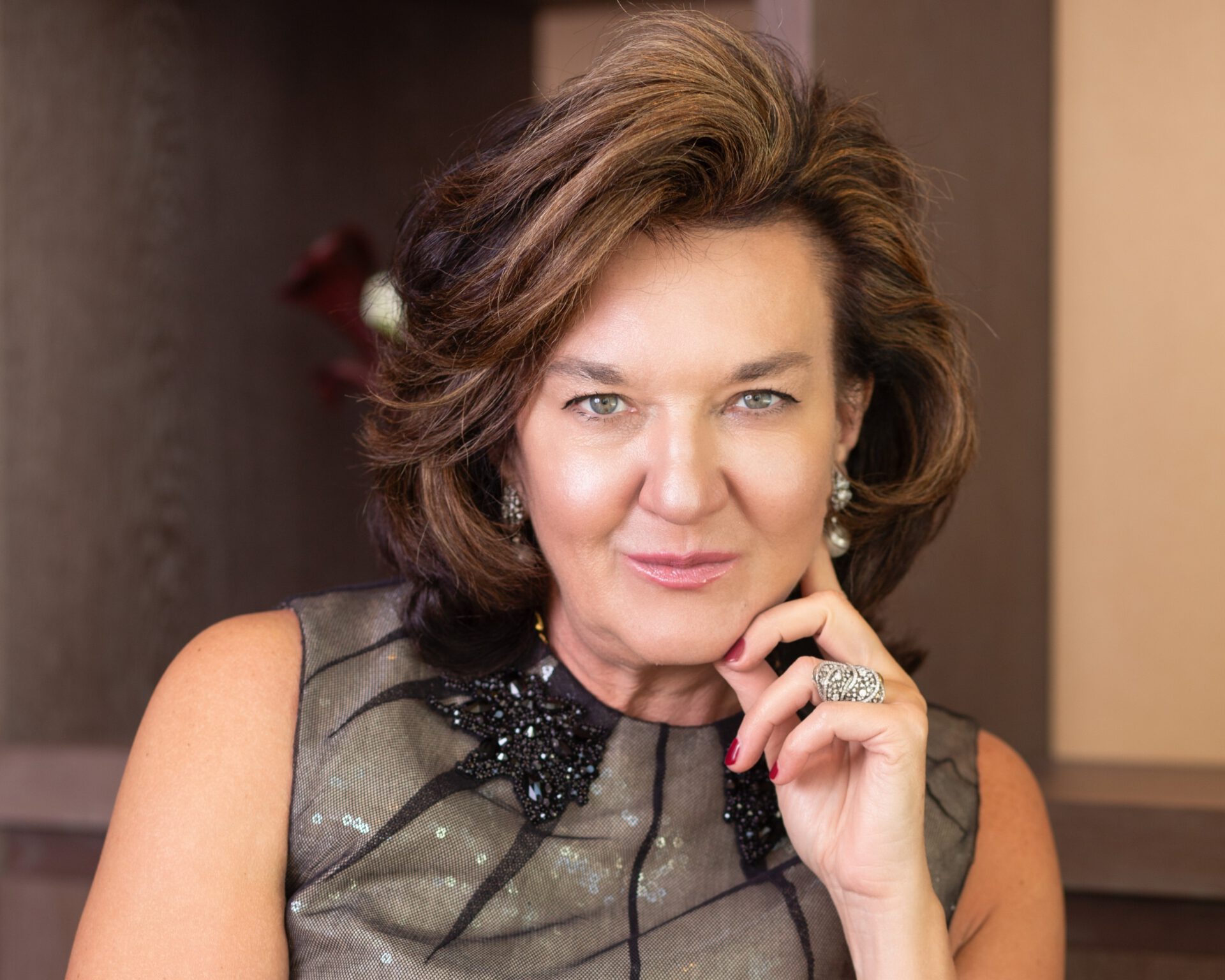
Christina Caffarra
Cristina Caffarra had a 25-year career as renowned economic expert in antitrust with a strong focus on digital. She left antitrust and created the EuroStack movement in 2024. She is now co-founder and Chair of the EuroStack Initiative Foundation e.V., a non-profit organisation to pursue the building of a European digital infrastructure along the “stack” – from chips to hardware, software, connectivity and AI.
-
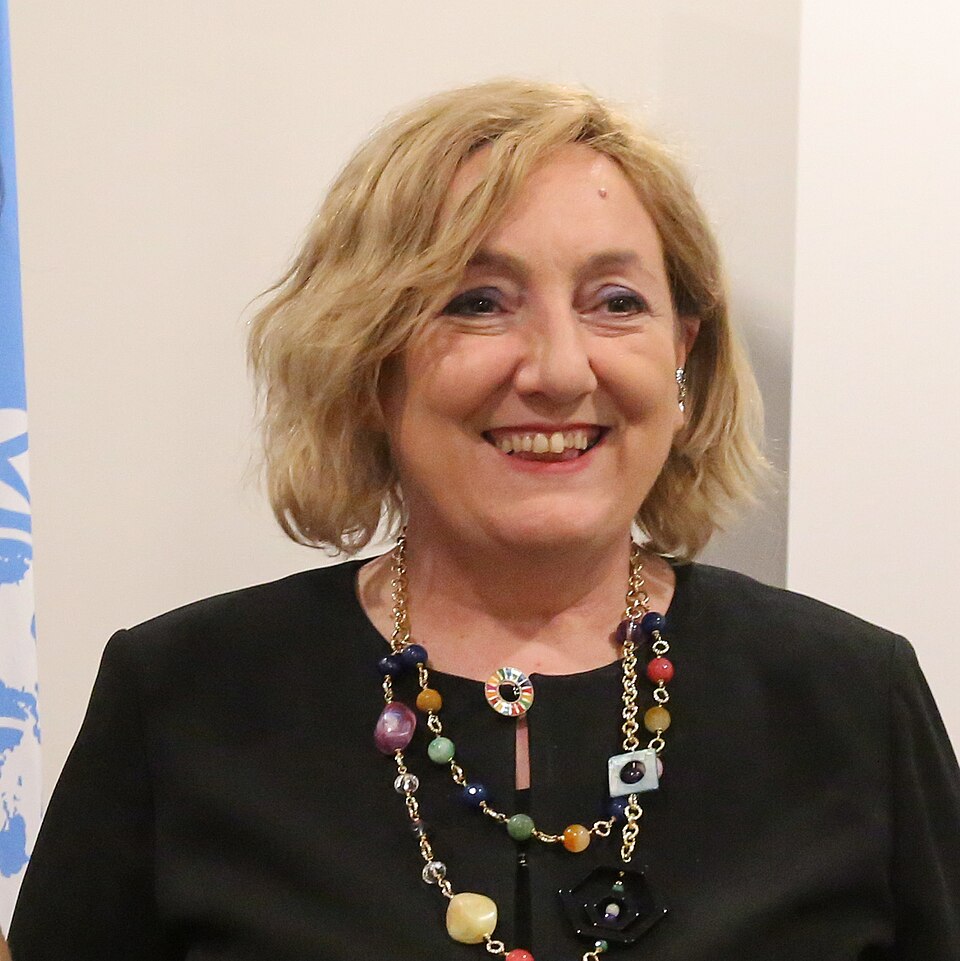
Emanuela Del Re
Emanuela Claudia Del Re is Deputy Head of the Foreign and European Affairs Department of Forza Italia. Previously, she served as EU Special Representative for the Sahel, Deputy Minister of Foreign Affairs and International Cooperation and as Member of the Italian Parliament. She is an expert in foreign policy, international relations, geopolitics, conflict studies, migrations, refugee issues, minorities, religious phenomena, connection axes and energy networks.
-
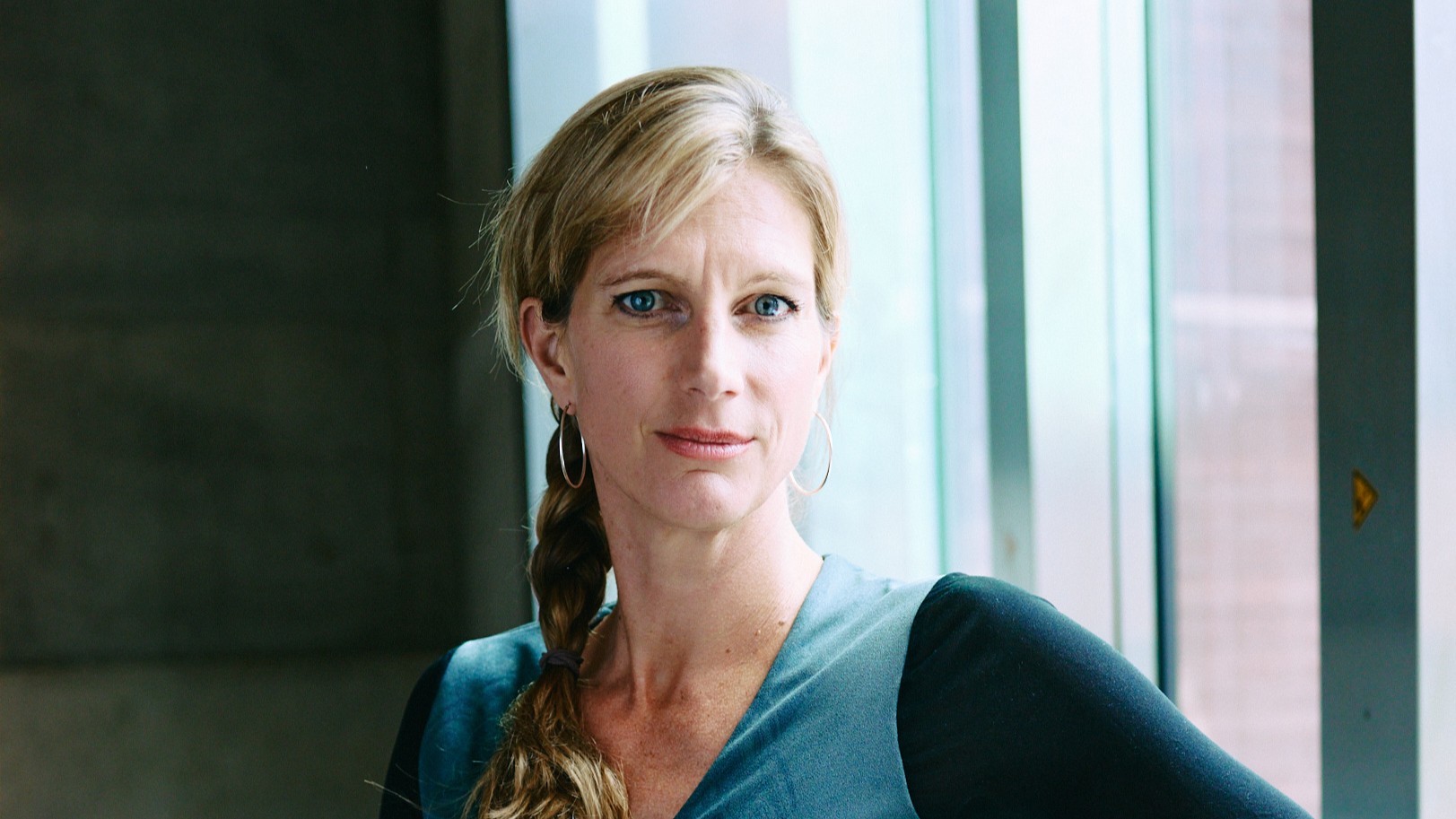
© Linda Schäffler Maja Göpel
The policy advisor, bestselling author (“Rethinking Our World”, “We can do better”, Scribe Publishers, translated into 11 languages, “Werte”, Brandstätter Verlag), and sought-after speaker is a professor for sustainability transformation at Leuphana University Lüneburg and founder of “Mission Wertvoll“. She hosts the podcast NEU DENKEN and is the moderator of the event series “Missverstehen Sie mich richtig!“ in Berlin. Photo Credits: Linda Schäffler
-
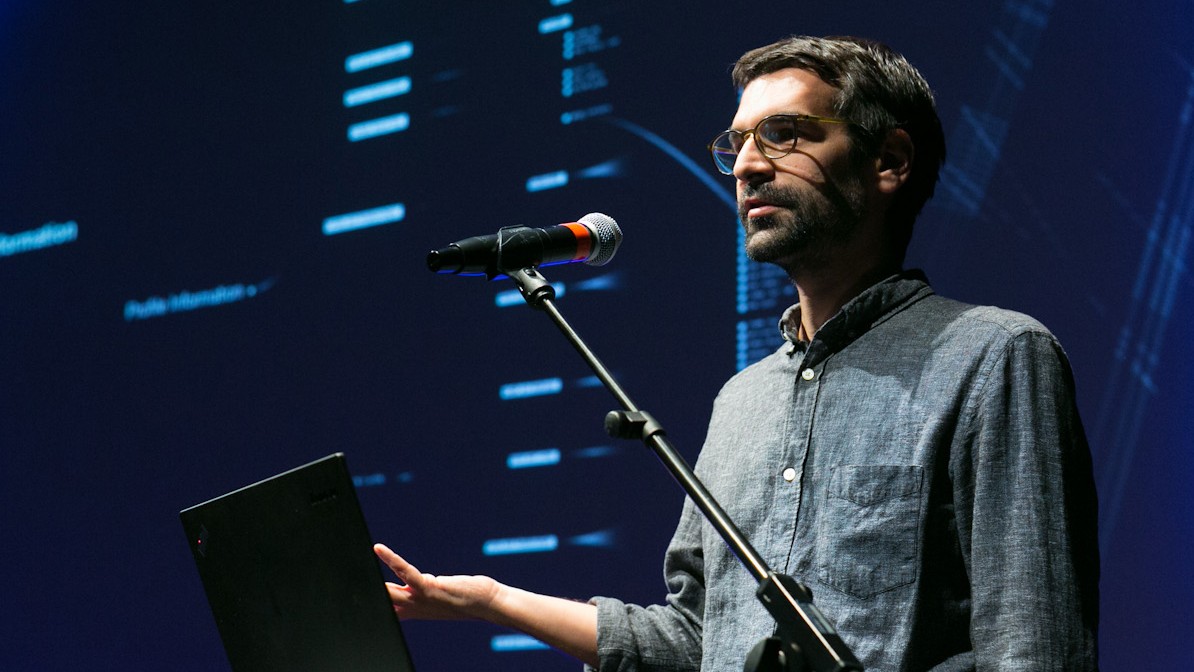
© Miquel Taverna Vladan Joler
Vladan Joler is an academic, researcher and artist who explores and visualizes different technical and social aspects of algorithmic transparency, digital labour exploitation, invisible infrastructures and many other contemporary phenomena in the intersection between technology and society. As co-founder and director of the SHARE Foundation, one of the leading expert and activist organizations in the field of digital rights in Southeast Europe, he has played an active role in organizing, researching, creating, and advocating for public policies at the national, regional, and European levels.
-
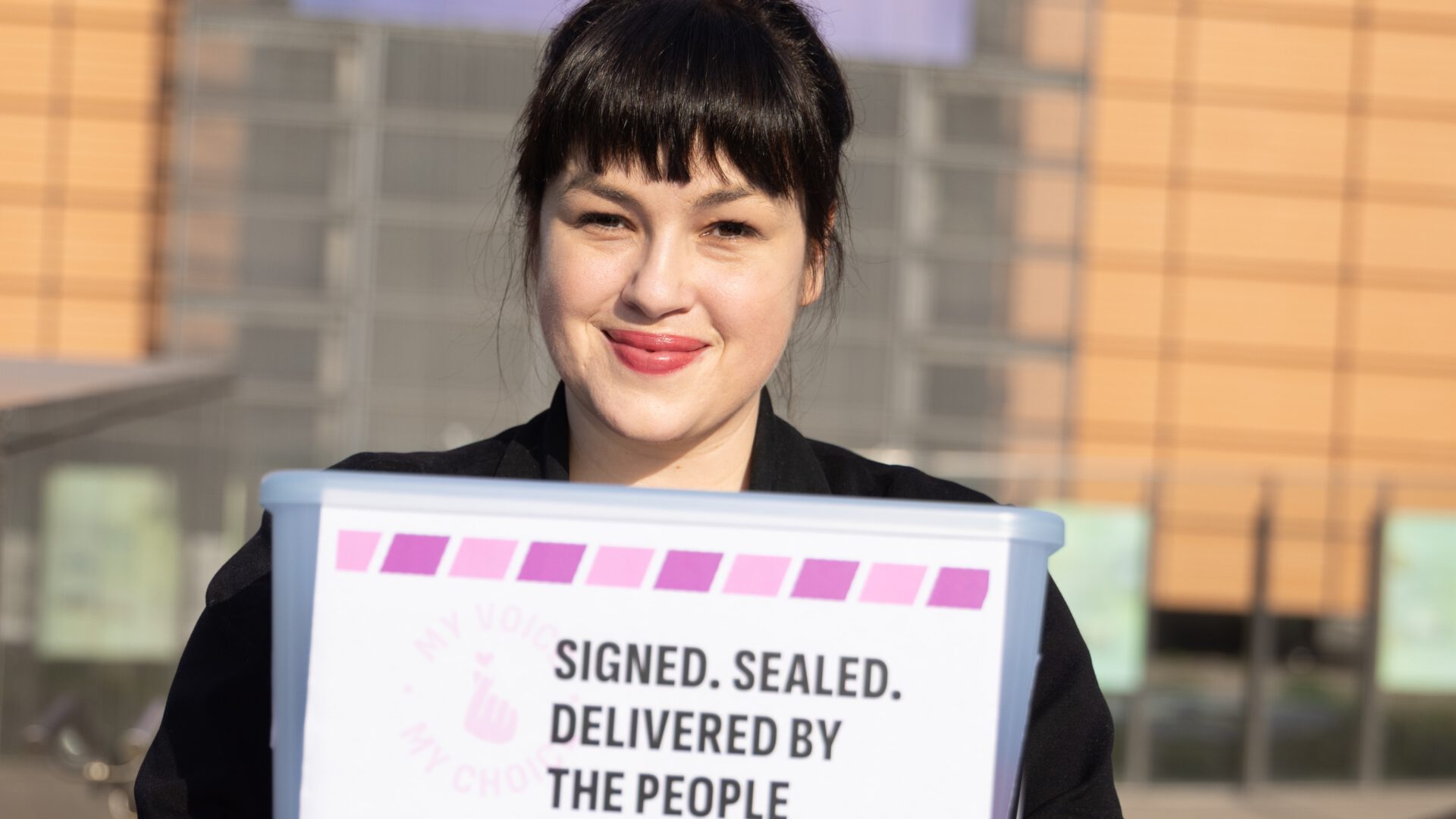
Nika Kovač
Nika Kovač is a Slovenian anthropologist, sociologist, and campaigner working to advance democracy, social justice, and gender equality. Under her leadership, the Institute of 8th of March has changed 15 laws and led two successful referendum campaigns in Slovenia. She also leads My Voice, My Choice, one of Europe’s largest feminist movements, which collected over one million verified signatures. Nika is an Obama Scholar, a Vital Voices Global Leadership Honoree, and a recipient of numerous national and international recognitions.
-
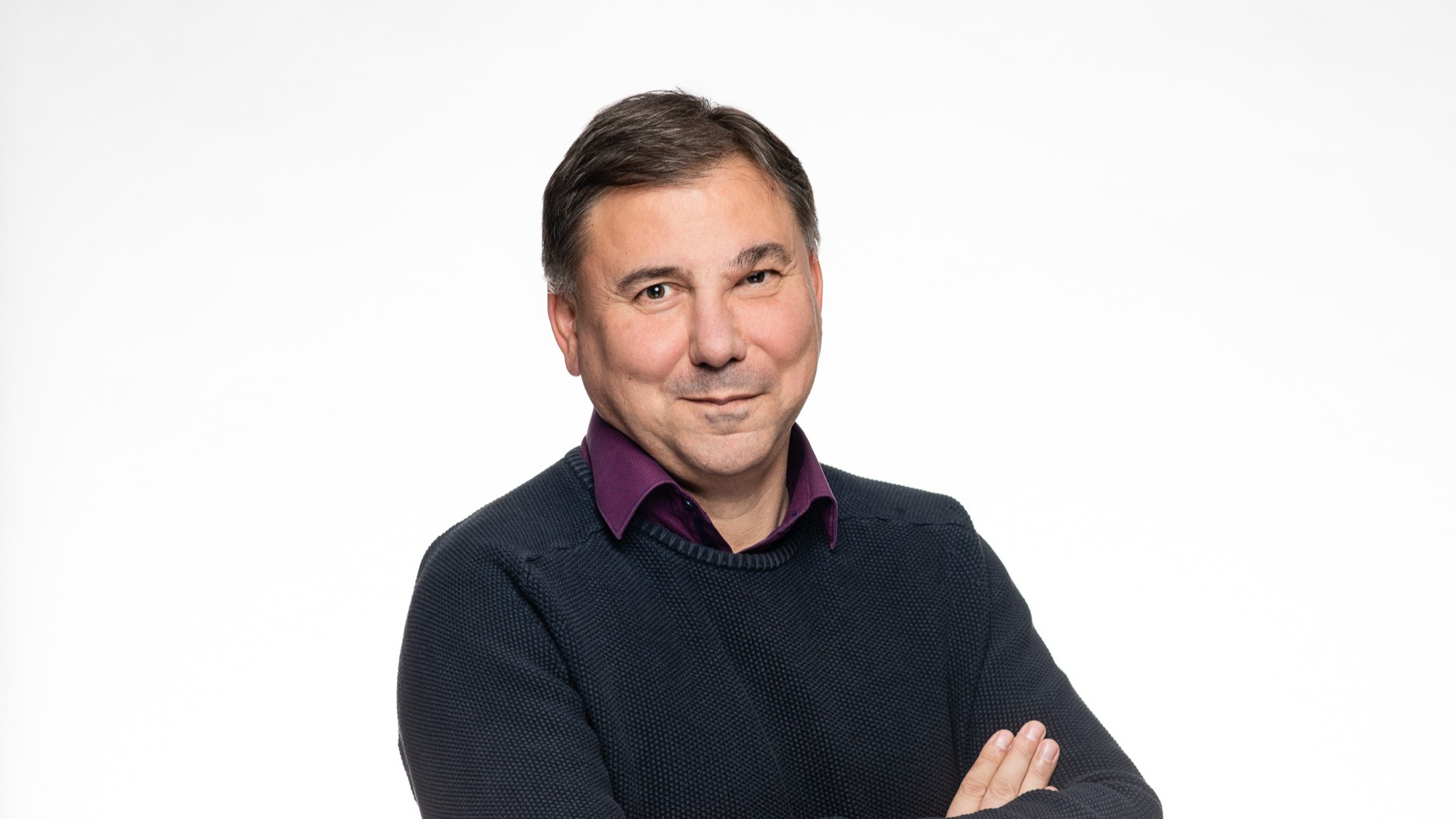
© Klaus Ranger Ivan Krastev
Ivan Krastev is chairman of the Centre for Liberal Strategies, Sofia, and Albert Hirschman Permanent Fellow at the Institute for Human Sciences in Vienna (IWM). In 2019 he was awarded a Mercator Senior Fellowship and in 2020 both the Jean Améry Prize for European Essay Writing and the Lionel Gelber Prize for his book The Light that Failed. A Reckoning. He is also a founding board member of the European Council on Foreign Relations.
-
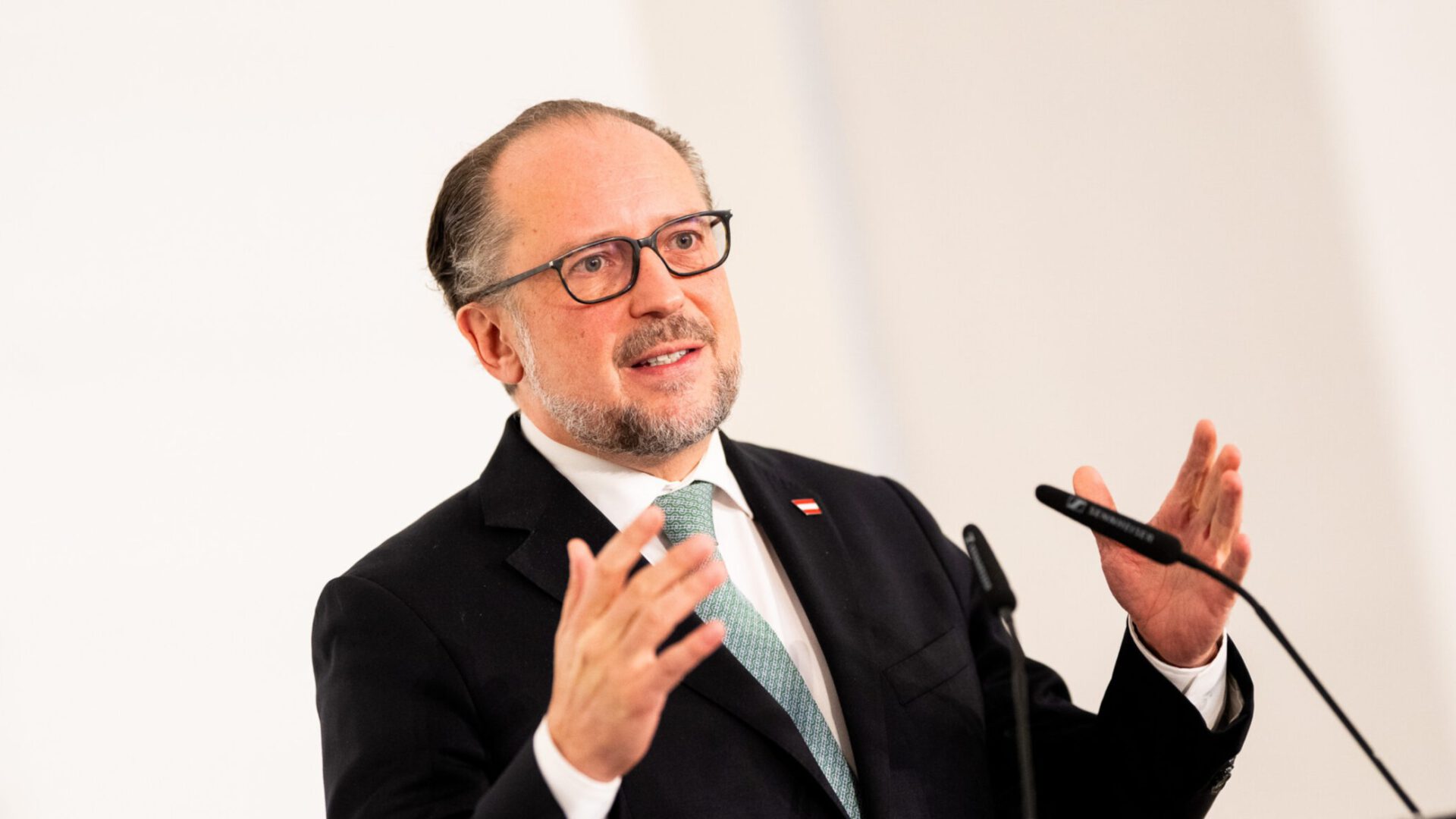
© Michael Gruber Alexander Schallenberg
Alexander Schallenberg is an Austrian diplomat, lawyer by training and politician. He served for nearly six years as Minister of Foreign Affairs of Austria from 2019 to 2025. In 2021 and 2025 he also served for a brief period of time as Chancellor of Austria. In June 2025 Mr. Schallenberg became the President of the Europe‘s Futures Initiative, a newly established think tank based in Vienna. Additionally, he founded and runs his own consultancy firm.
-
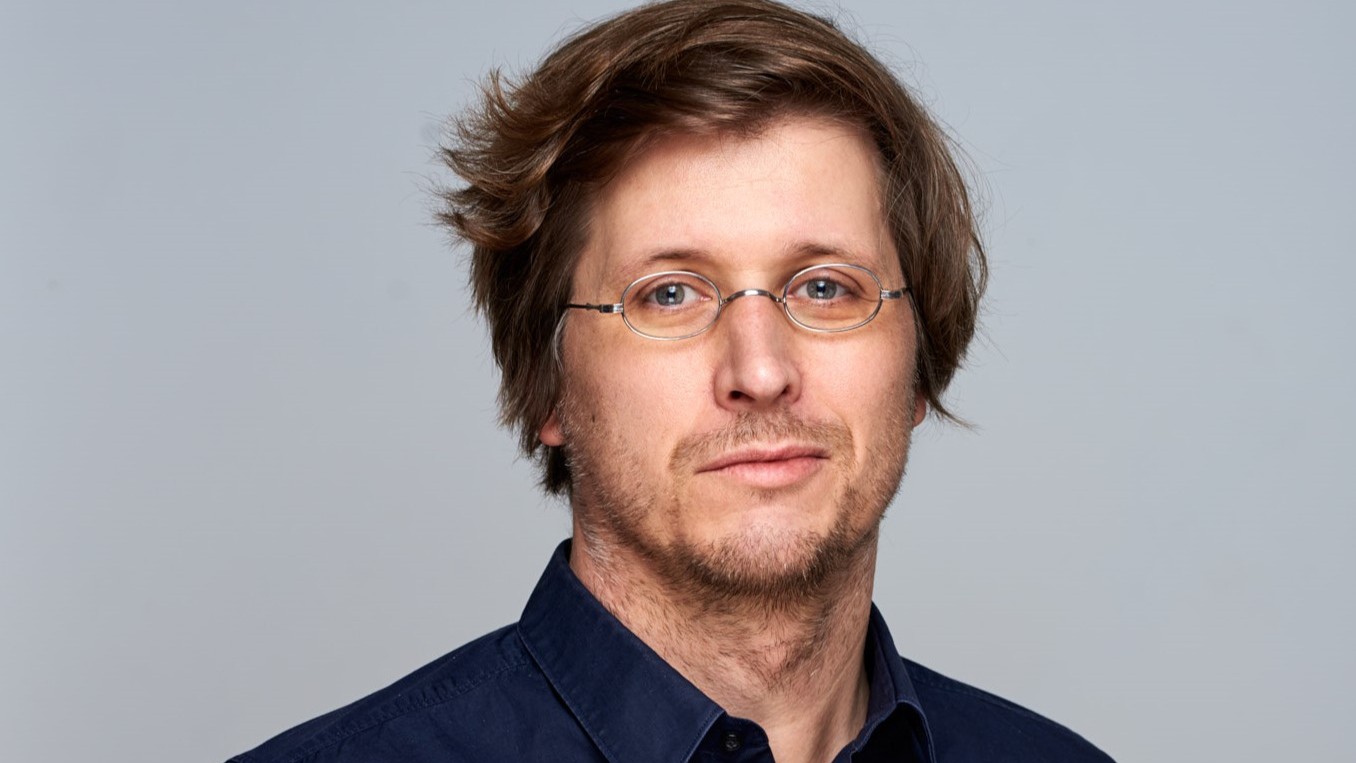
© ECONtribute Moritz Schularick
Moritz Schularick is President of the Kiel Institute for the World Economy and Professor of Economics at Kiel University and at Sciences Po (Paris). He is also a Fellow of the DFG-Excellence Cluster ECONtribute. His research interests include macroeconomics, geoeconomics, political economy and economic history. In 2022, he was awarded the Leibniz Prize, Germany’s most prestigious research award, and in 2018 he received the Gossen Prize, the most prestigious award given to German economists. Photo Credits: ECONtribute
-
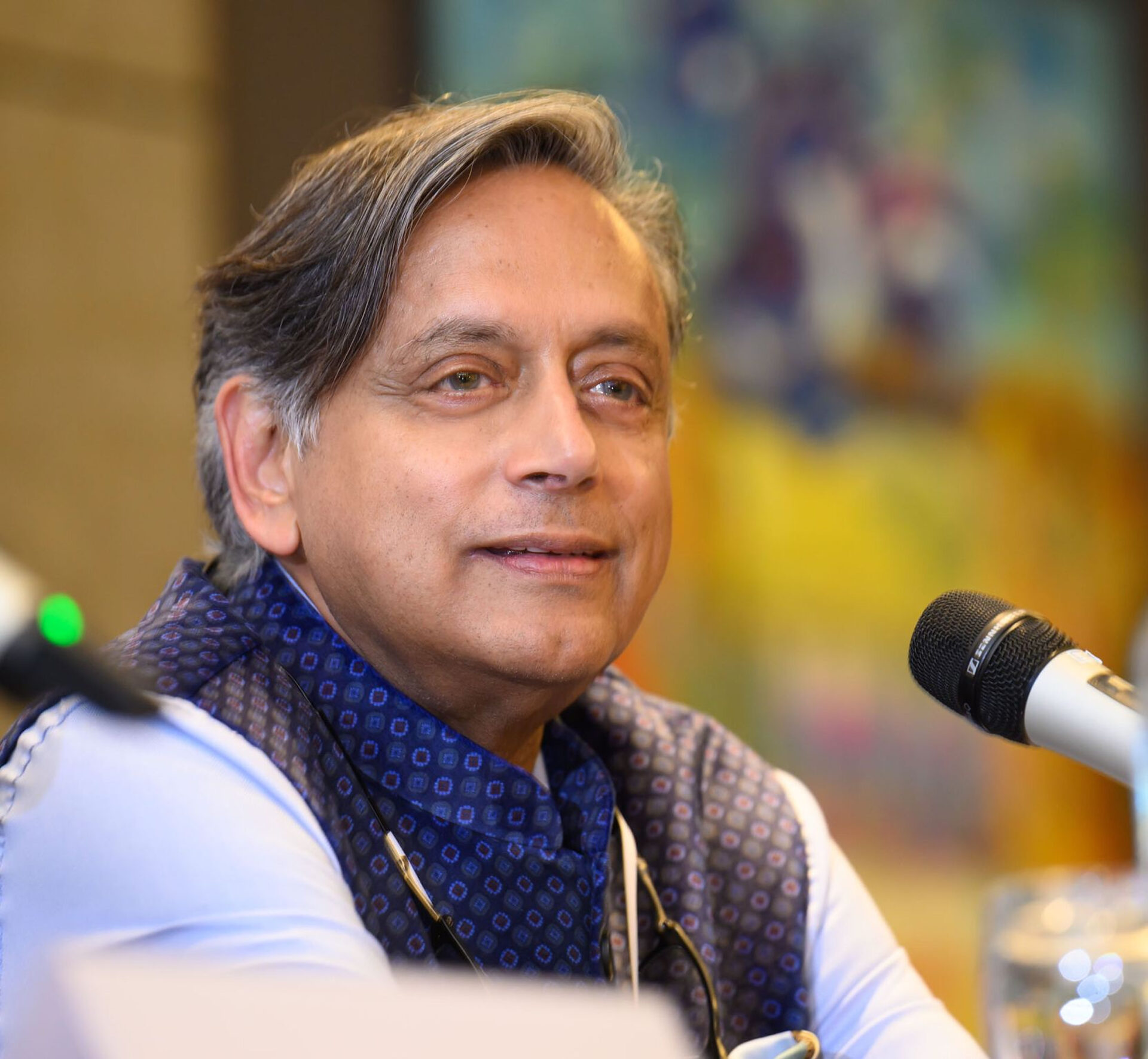
Shashi Tharoor
Shashi Tharoor is a fourth-term Member of Parliament and the Chairperson of the Parliamentary Standing Committee on External Affairs. He is the bestselling author of twenty-nine books, both fiction and non-fiction, besides being a former Under Secretary-General of the United Nations and a former Minister of State for Human Resource Development and for External Affairs in the Government of India.
-
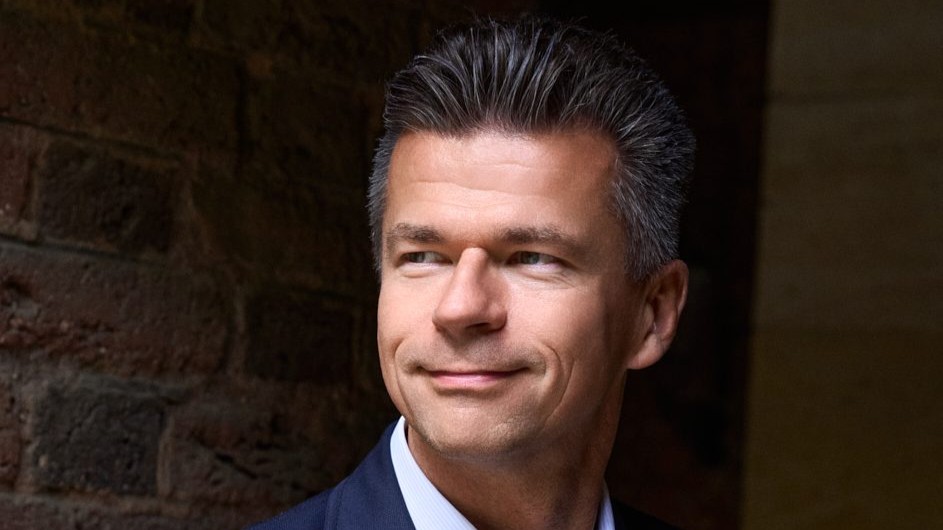
Martin Vohánka
Martin Vohánka is the founder and CEO of Eurowag, a technology company serving the European commercial road transport industry. In addition, he is one of the Czech Republic’s leading philanthropists. He founded the Blížksobě foundation, which promotes democratic values and education reform, and co-founded the Endowment Fund for Independent Journalism. He also chairs the Second Economic Transformation initiative, bringing together business leaders to actively promote the transition to a high-value-added economy.
Coffee Break
Panel Discussion continued
Lunch Break
Part II: People Who Will Shape Europe
Panel Discussion
Preparing for the future also means addressing long-term challenges that too often fade into the background when immediate crises dominate political and public attention. No one understands this better than the younger generation, which has come of age amid a succession of crises, from the economic and financial crisis to the pandemic and war. Despite being profoundly affected by these developments, young people are still too often the subject of political debate rather than active participants in it. If Europe fails to understand how this generation experiences democracy, insecurity and information, it risks deepening disengagement at a moment when democratic resilience is more important than ever. This session will provide a space for young voices to contribute to discussions on both the immediate challenges facing Europe and the long-term future they will help shape. After all, young Europeans will not only inherit today’s challenges but also play a decisive role in addressing them.
-
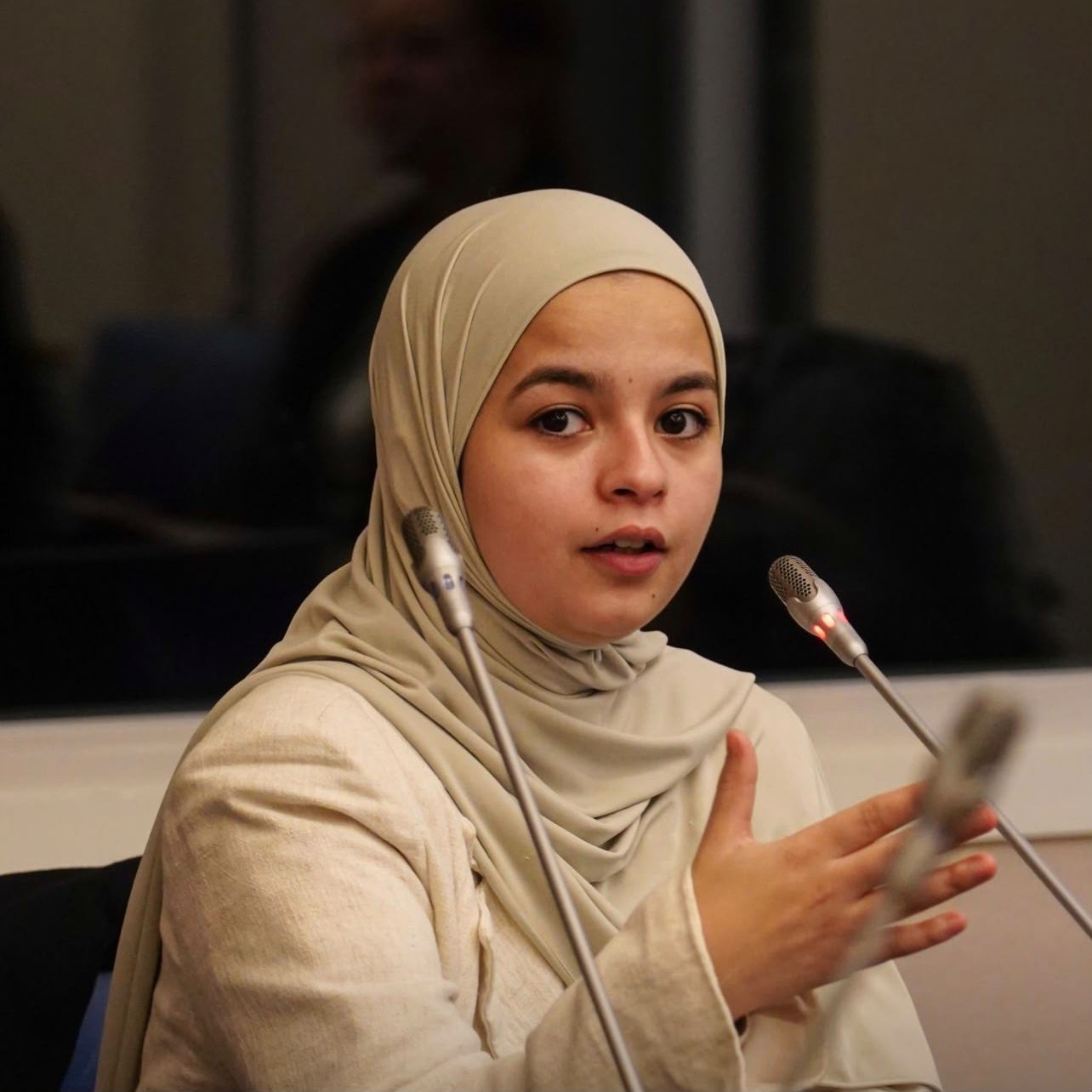
Sarah Bennani
Sarah Bennani is a 21-year-old Paris-based civic engagement practitioner and independent consultant in civic education and institutional communication. She co-founded La Jeunesse Populaire, a collective mobilizing young people from working-class communities to take part in civic life. She has coordinated programmes for vocational high school students in France and supported an international democracy programme. She trained in international administration and political communication.
-
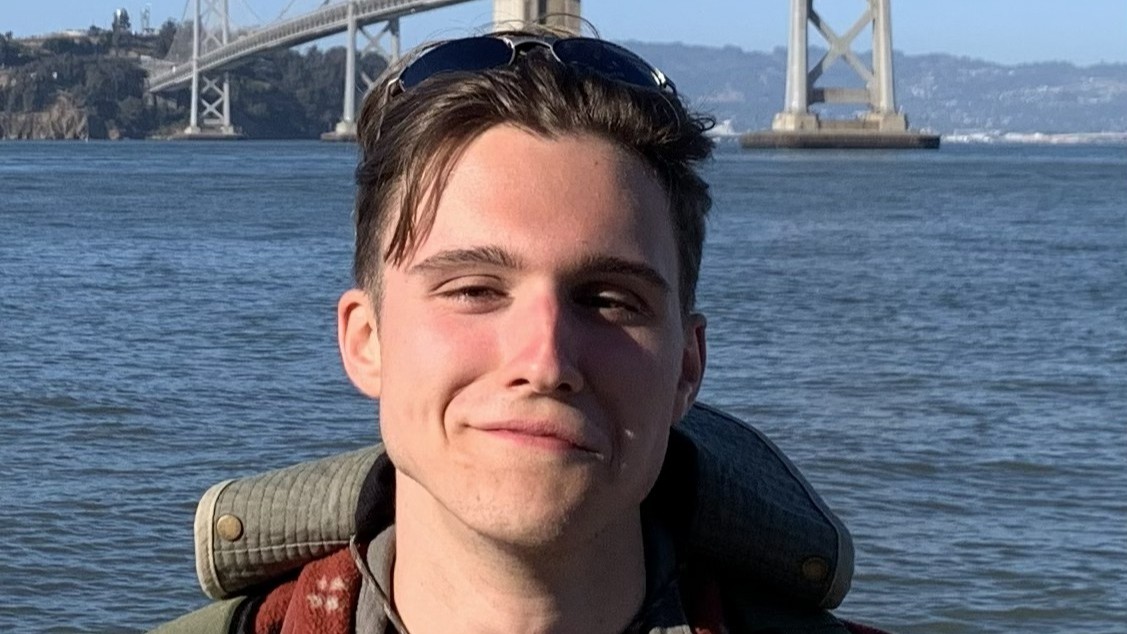
Leander Klinger
Leander Immanuel Klinger is a 20-year-old senior software developer and AI researcher from Austria, working at the intersection of technology and policy. His solo-authored research was accepted at ACM ICAIF 2026, the world’s leading conference on AI in finance. He wants Europe to play an active role in shaping the economic and democratic future of artificial intelligence, driven by the question: why do we do things this way?
-
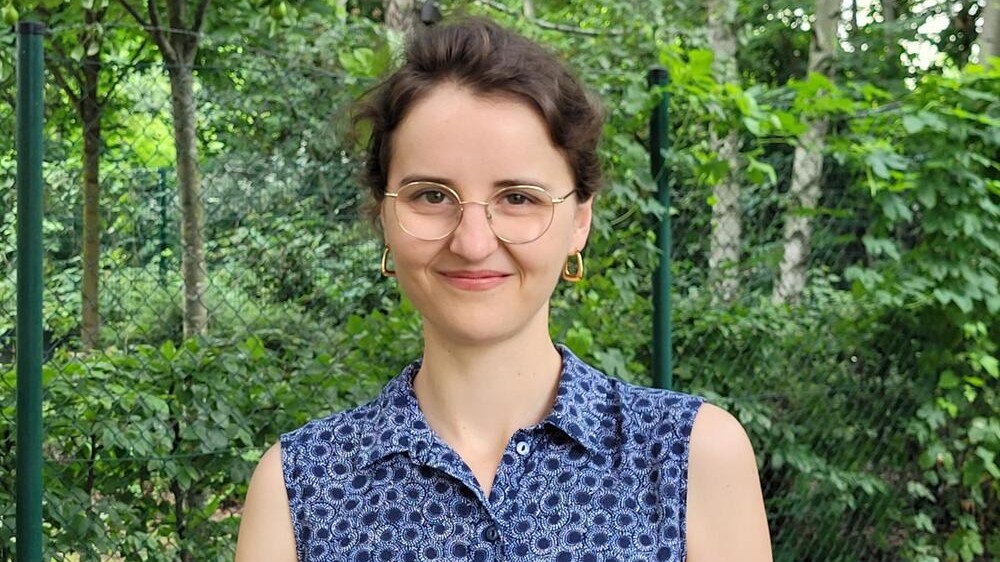
© Melek Knaus Francesca Knaus
Francesca Knaus was born in Austria in 2000 and grew up in Istanbul, Paris, Cambridge (USA), and Berlin. She studied European Studies at the University of Amsterdam, specializing in EU law and Central and Eastern Europe. She is a co-founder of the European Debate Initiative (EDI), a youth organization based in Copenhagen that won the European Citizen’s Prize in 2021. Since 2021, she has worked as a human rights and foreign policy advisor for an MP in the German Bundestag. She is co-author of the book “Welches Europa brauchen wir?”.
-

Laura Skala
Laura Skala is a geographer and sustainability professional with a background in climate policy, environmental advocacy and disaster risk reduction. She previously worked as a Climate and Energy Coordinator at Ipieca, supporting international collaboration on climate action and the energy transition, and now works as a sustainability analysis consultant in London. A long-standing climate activist, Laura led the Fridays for Future Croatia campaign in 2019, mobilising over 2,000 participants.
Part III: Elections That Will Shape Europe
While global attention still focuses on the consequences of the U.S. midterm elections, Europe will face a consequential electoral cycle of its own. In 2027, three of the European Union’s five largest countries will hold national elections, with outcomes that could reshape the continent’s political landscape. This session will take a closer look at each of these elections. Leading experts from the respective countries will assess the key political trends and dynamics, explore the most likely electoral scenarios, and discuss the potential implications for Europe as a whole.
Spotlight on the United States with Jan-Werner Müller
Coffee Break
Spotlight on Poland with Piotr Buras
Spotlight on Italy with Nathalie Tocci
Spotlight on France with Thomas Gomart
-

©Johannes Hloch Jan-Werner Müller
Jan-Werner Müller is the Roger Williams Straus Professor of Social Sciences and Professor of Politics at Princeton University. His research focuses primarily on democratic theory and the history of modern political thought. His recent publications include What Is Populism? (2016), Furcht und Freiheit: Für einen anderen Liberalismus (2019), Democracy Rules (2021), and Street, Palace, Square: The Architecture of Democratic Space (2026).
-
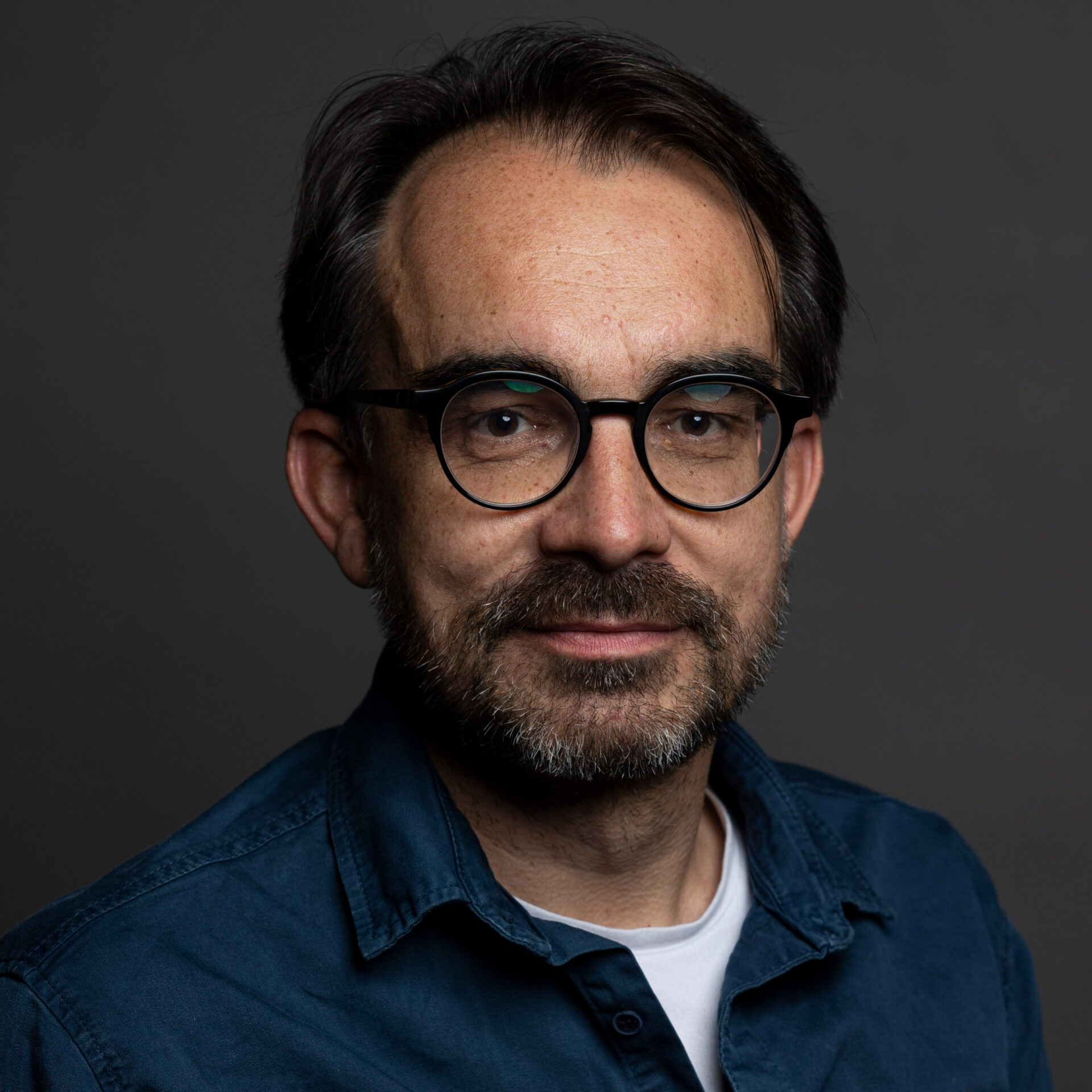
© seesaw-foto.com Piotr Buras
Piotr Buras is the head of the European Council on Foreign Relations Warsaw office and a senior policy fellow. His topics of focus include Germany’s EU and foreign policy, Poland in the EU, and EU politics. Between 2008 and 2012 he worked as a columnist and Berlin correspondent for Gazeta Wyborcza. He started his professional career in the late 1990s at the Center for International Relations in Warsaw and then moved on to the Institute for German Studies at the University of Birmingham and the University of Wroclaw. He was also a visiting fellow at the Stiftung Wissenschaft und Politik in Berlin. Photo Credits: seesaw-foto.com
-

Nathalie Tocci
Nathalie Tocci is James Anderson Professor of the Practice at Johns Hopkins SAIS Europe and Senior Fellow at Bocconi University’s Institute for European Policy-Making. She chairs ODI Europe and the advisory boards of the Istituto Affari Internazionali and Helmut Schmidt Foundation. Formerly director of the Istituto Affari Internazionali and advisor to EU High Representatives Federica Mogherini and Josep Borrell which she authored the European Global Strategy and led its implementation. She regularly writes for The Guardian and La Stampa.
-
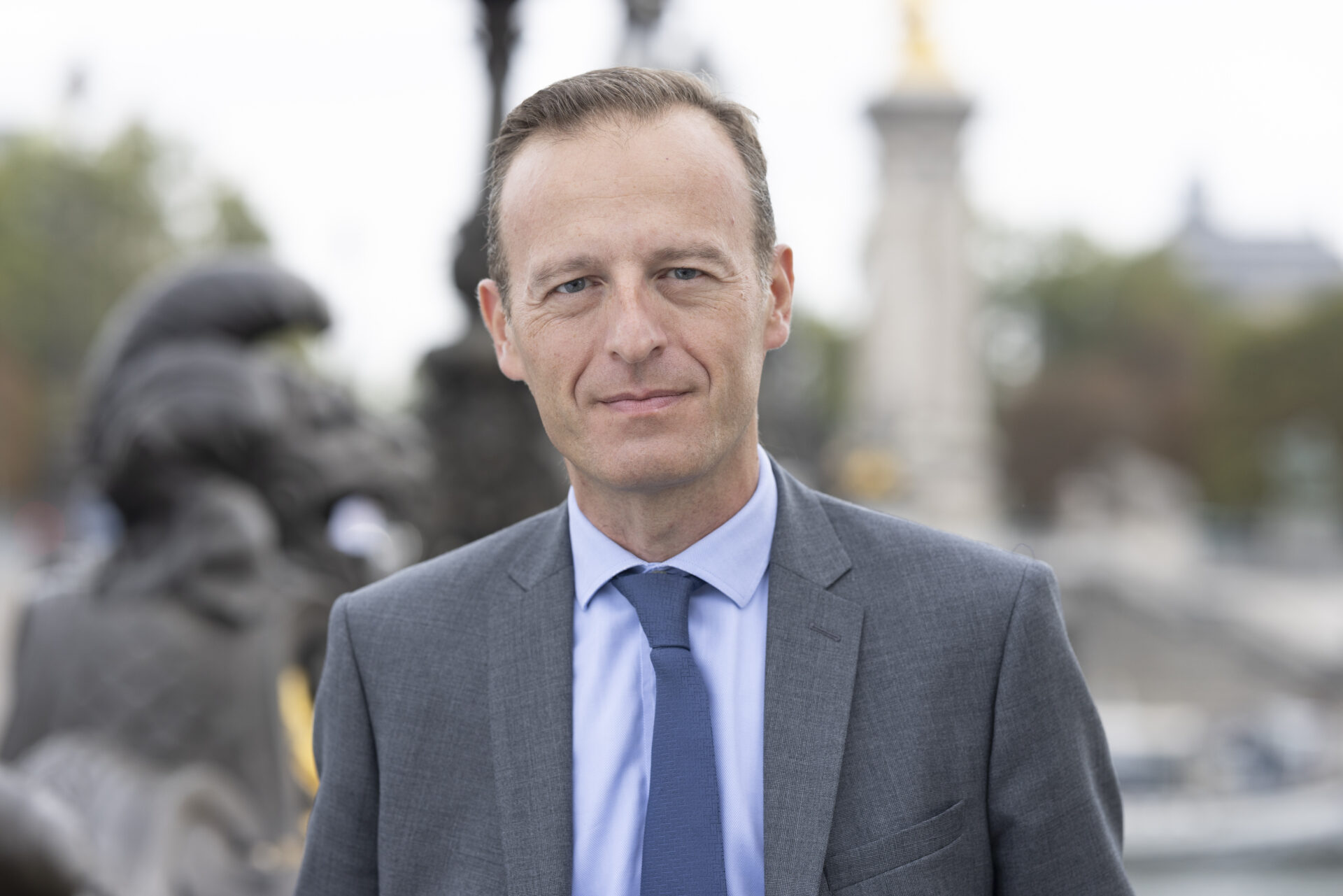
© David Atlan Thomas Gomart
Thomas Gomart has been the Director of the French Institute of International Relations (Ifri) since 2015. He is a member of the Institute of Advanced Studies in National Defence’s (IHEDN) scientific committee and on the editorial board of the French journals Politique étrangère and Revue des deux mondes. He has a monthly column on international affairs in Études and published several award-winning books including Qui contrôle qui? (2026), L’accélération de l’histoire (2024), Les ambitions inavouées. (2023), Guerres invisibles (2021) and L’Affolement du monde (2019). Photo Credits: David Atlan
Closing remarks
Apéritif
Stand-Up Comedy Performance by Valeria Vulpe
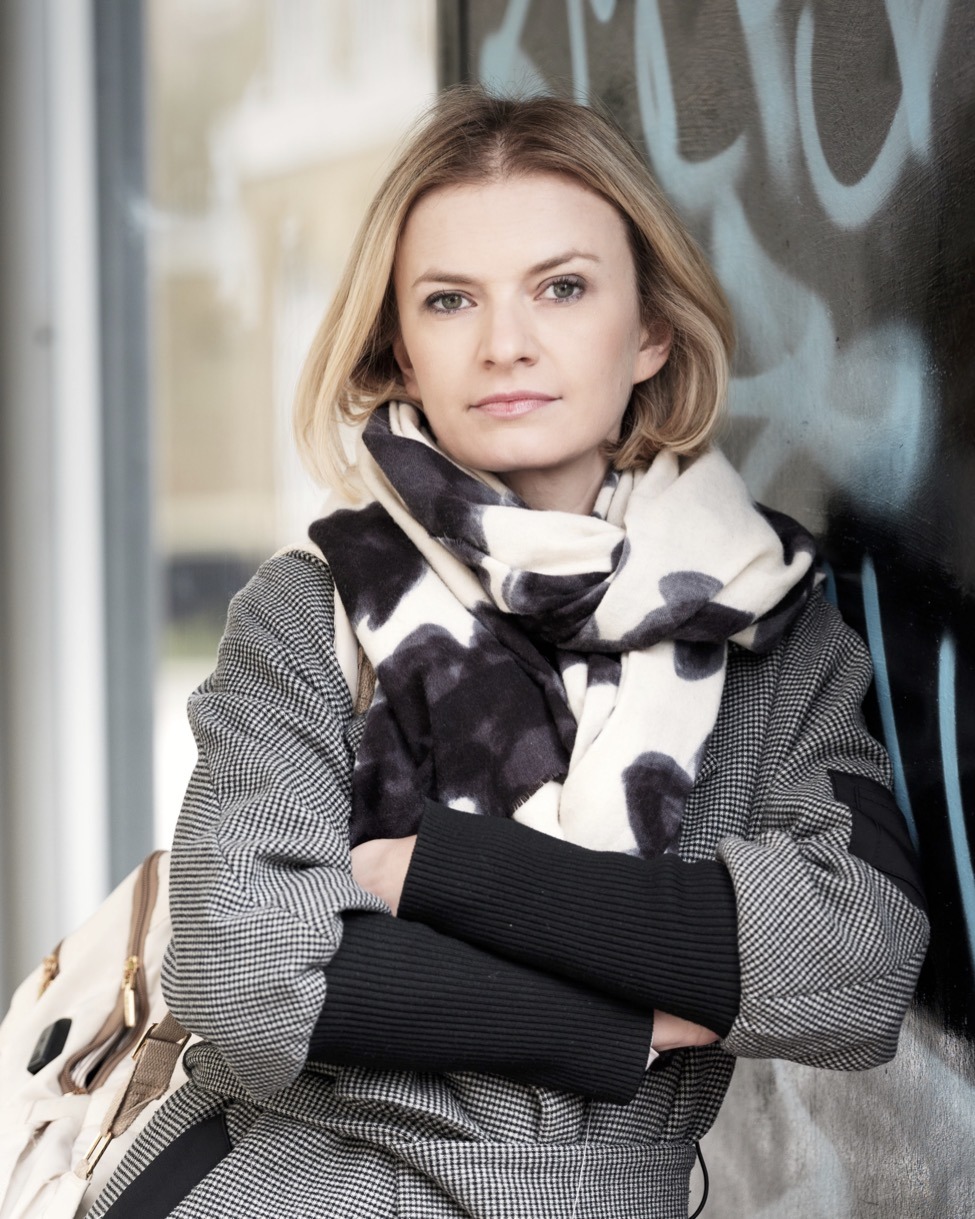
Valeria Vulpe is a Moldovan-born, London-based stand-up comedian. She is a U.S. citizen who shifted from mathematics and data science to comedy. She has quickly established herself as one of the UK’s most in-demand voices on the comedy circuit. In 2025, Valeria was crowned the Spirit of Comedy winner. This earned her the opportunity to open for Ricky Gervais at Wembley Arena. Her comedy combines mathematical precision with a dry, mordant perspective from Moldova and experiences in the U.S. and UK. Additionally, Valeria is smart, understated, and sharply observational, finding absurdity in dating, relationships, daily life with deadpan humor.