Journal
10 September 2026
Reading Time: 7'
Seven Takeaways from Alpbach 2026 for a Flourishing Europe
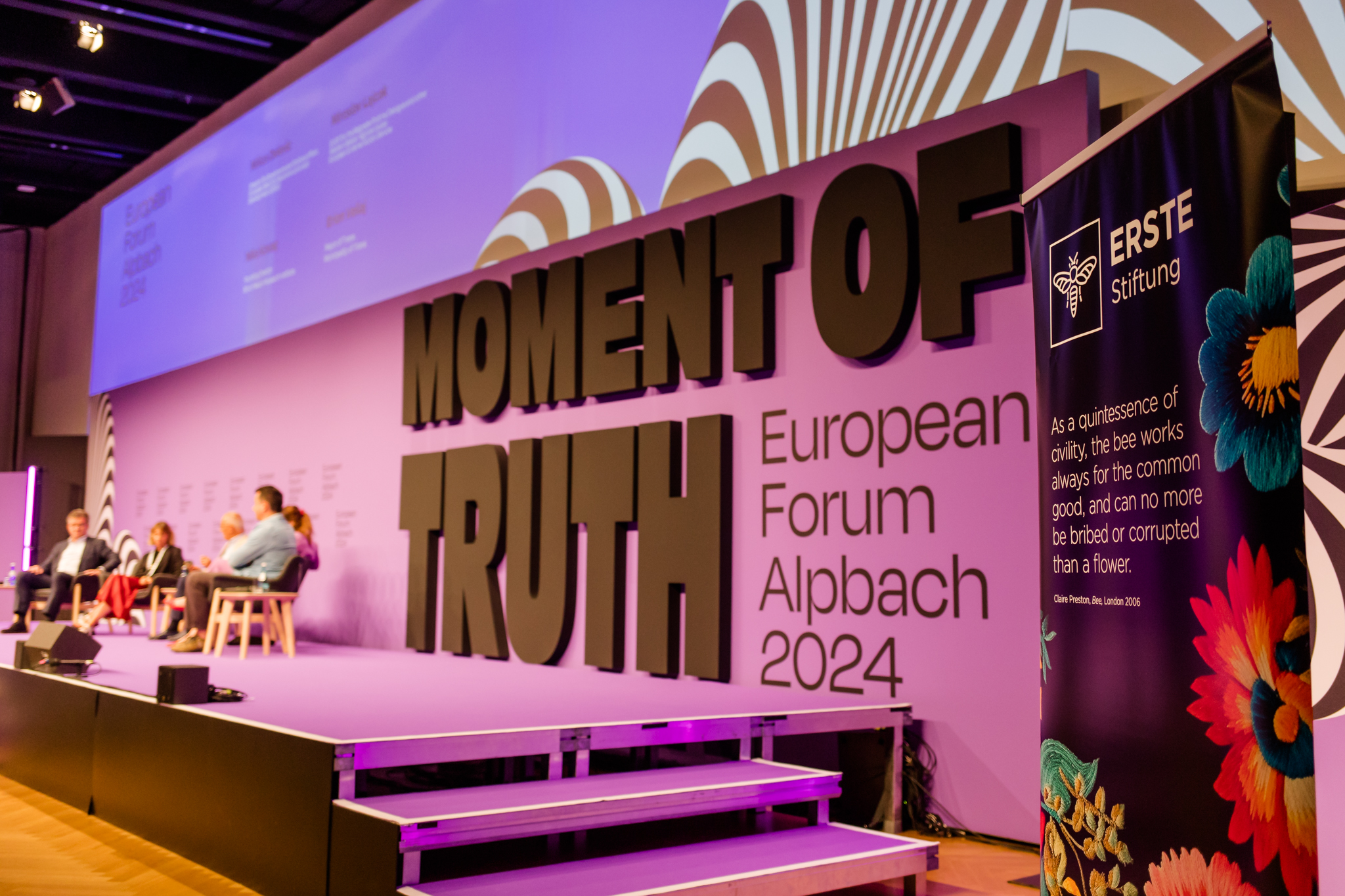
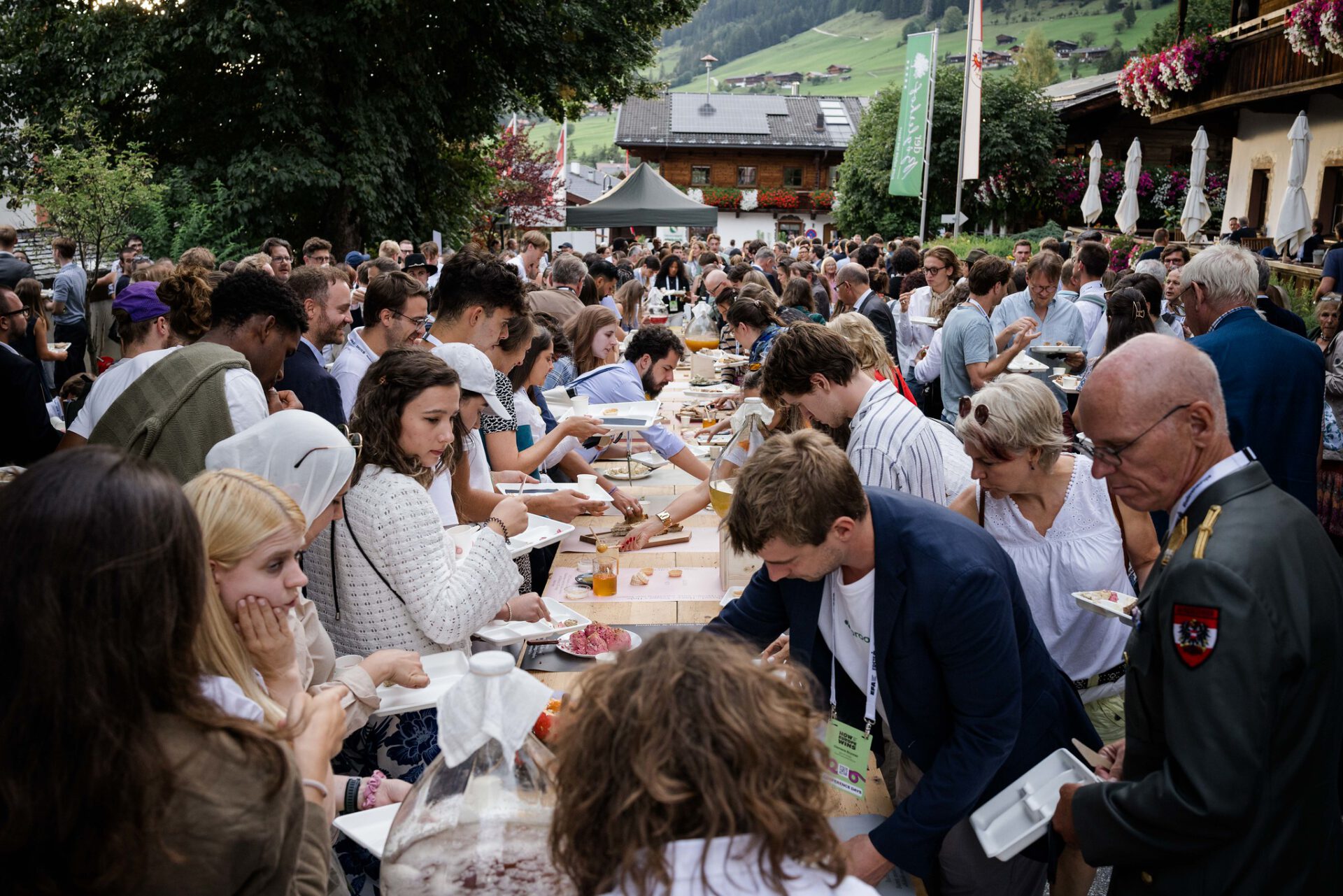
Under this year’s European Forum Alpbach motto, »How Europe Wins«, political leaders, policymakers, academics, practitioners, and civil society actors gathered to explore what success means for Europe in the 21st century. Confronting a world shaped by geopolitical tensions, democratic challenges, technological and ecological disruption, Europe’s future will depend not only on how it responds to today’s crises, but on its capacity to imagine and shape a more democratic and prosperous tomorrow.
Contributing to the conversation, ERSTE Foundation convened expert discussions and workshops that got into the gritty details and asked difficult questions: from how Europe can win on housing, to making sure that invented in Europe becomes »Made in Europe« or reinvigorating enlargement perspectives for the Western Balkans.
While the answers varied, a shared conviction emerged. Unlike the motto may suggest, Europe thrives not through competition alone, but by strengthening what has always been at the core of its identity: strong networks, trusting partnerships and a constant drive to do better.
The following seven takeaways capture some of the key ideas and insights that stood out.
- Caring for those who care
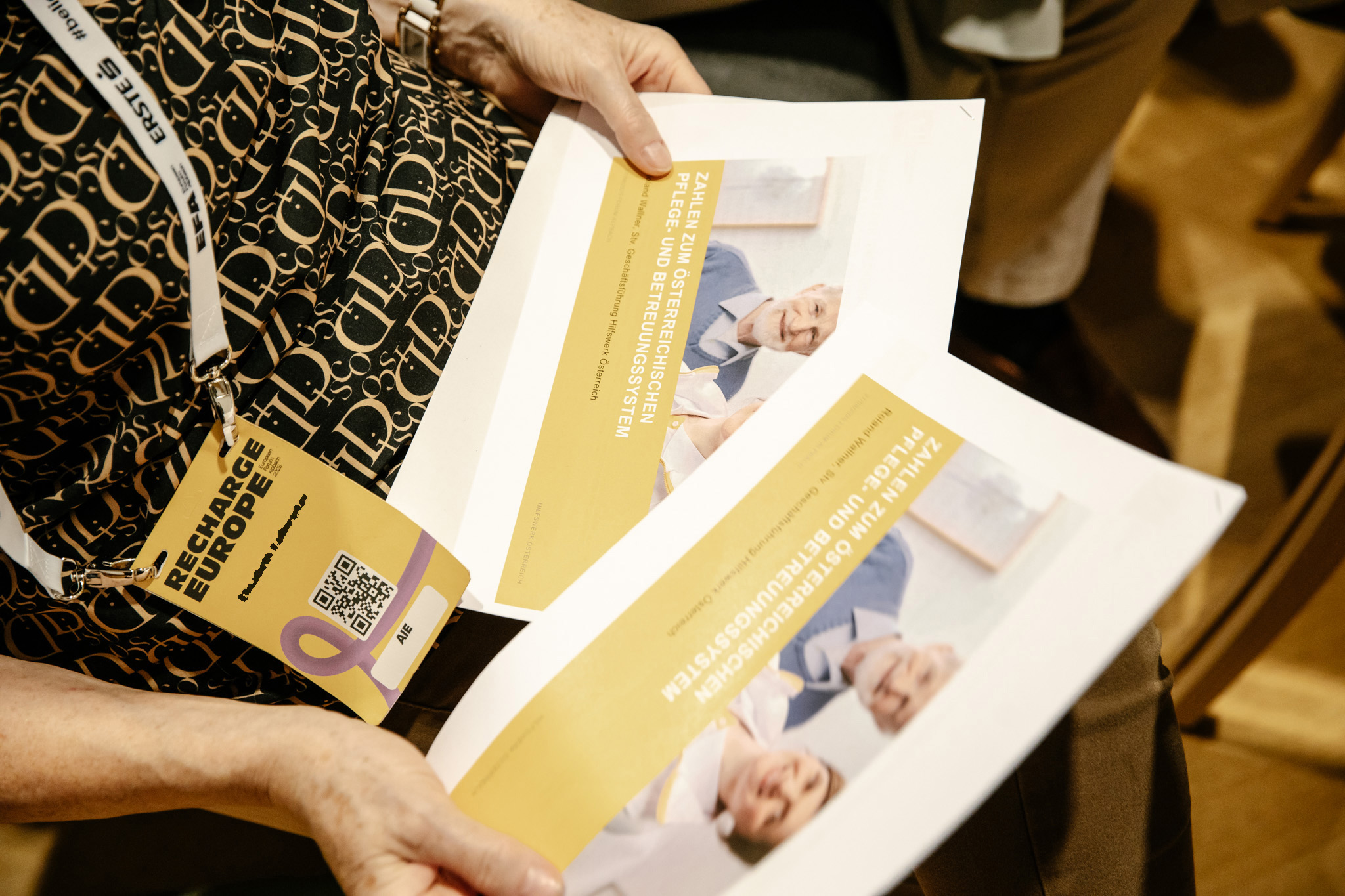
Young carers remain one of the most overlooked groups in society, despite carrying significant responsibilities that can impact their health, education, and childhood. Look into almost any school classroom and there will be at least one child who provides care within their families, often without being recognized as carers, both by themselves and others. While Austria has support services in place, greater awareness and stronger cooperation between schools, the healthcare system, and existing initiatives are needed to ensure that young carers receive adequate support. Federal Minister for Labour, Social Affairs, Health, Care and Consumer Protection Korinna Schumann underscored both the scale of family caregiving and the urgency of this challenge, noting that »80% of all people in Austria are cared for at home by family members.« She emphasized that young carers still »live somewhat in the shadows« and that society’s task is »to recognise their situation, bring it into the light, and give them the best possible support.«
In addition a movie screening of »Im Sturm« (»In the Storm«) raised awareness and can be watched here.
2. Creating a hopeful vision for the Wester Balkans
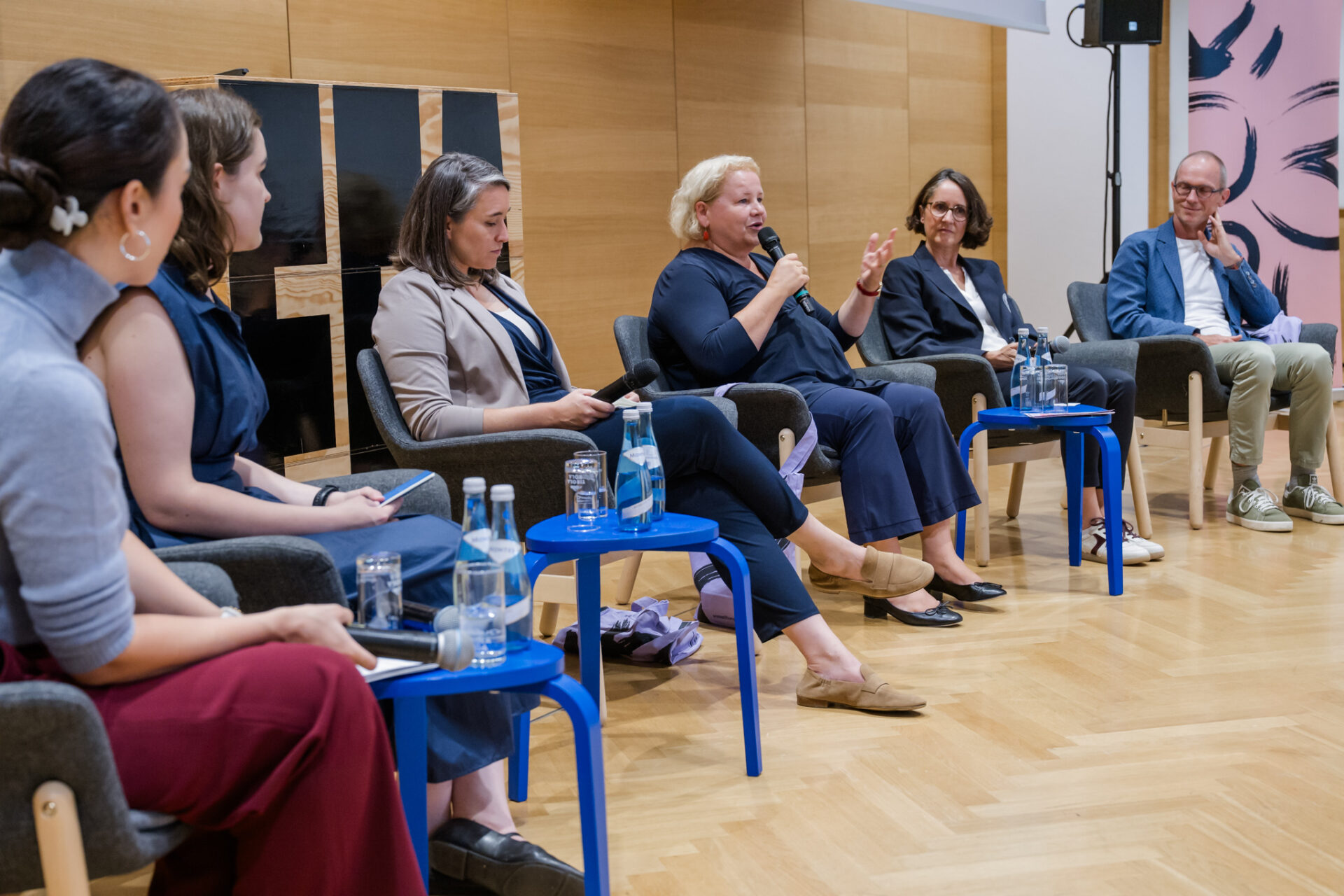
A positive and forward-looking vision for the Western Balkans depends on empowering a new generation to build democratic, prosperous, European futures for their countries. This involves restoring trust in institutions, invest in wellbeing, and create opportunities that can turn brain drain into brain gain. For Lenka Živanović it is extremely important, particularly in a time of economic and security uncertainty, »to think about the positive narratives around the region.« Her vision of a »strong, united Western Balkans means that the foreign ministers of all the independent and free countries of the Western Balkans will be sitting in the Council of the EU in 2040.« At the same time, she stressed that young people want a region free from »corrupt politicians and authoritarian governments« where they can live in safety and prosperity. Thus, the path to toward EU accession lies not only in policy reforms, but also in building hope, belonging, and a shared sense of purpose within Europe.
3. Building partnerships for affordable housing
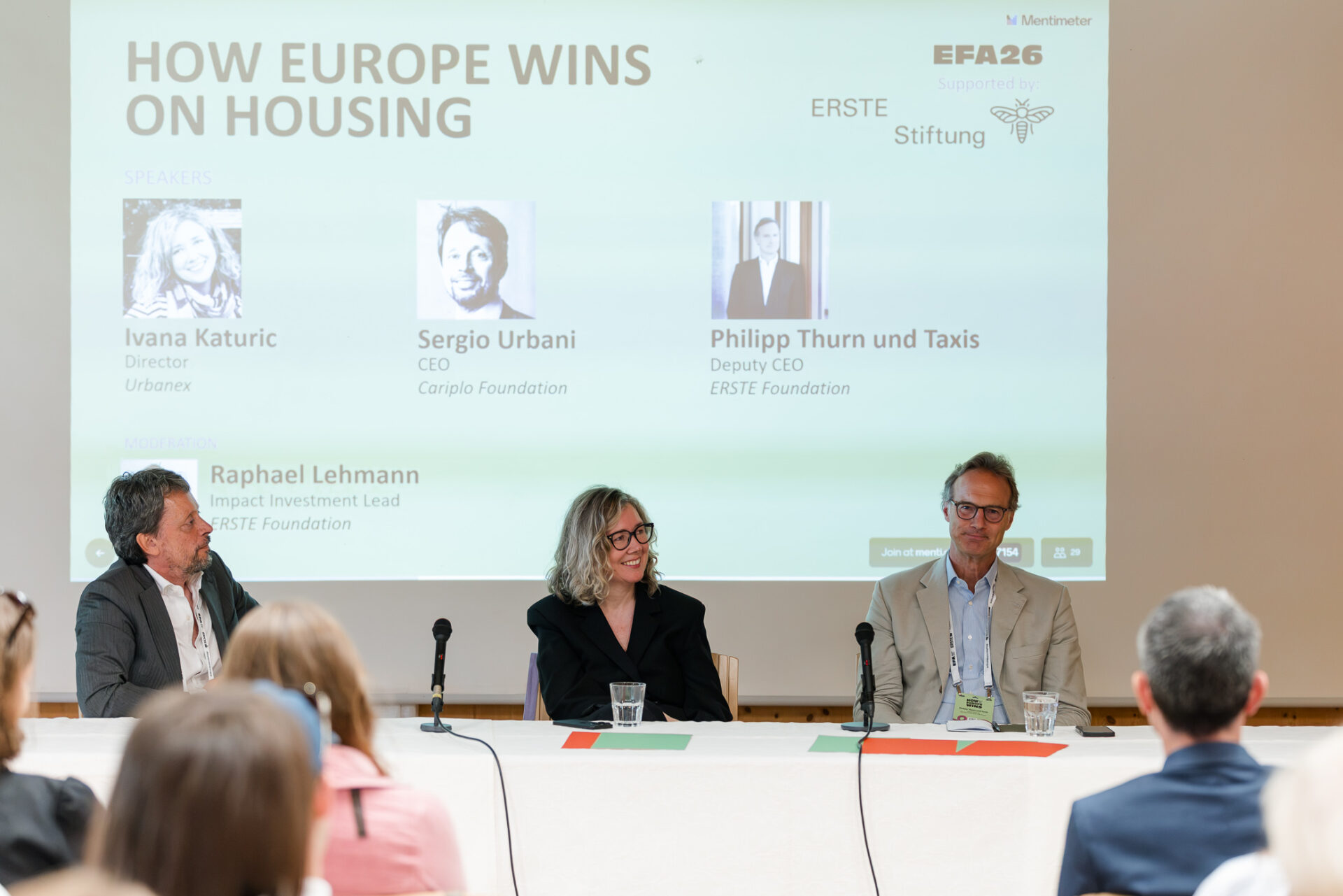
Europe’s housing challenge can only be addressed through stronger collaboration between public, private, and philanthropic actors. As housing costs continue to outpace incomes across much of Europe, affordable housing has become not only a social issue but also a question of economic resilience, labour mobility and social cohesion. While the European Union is giving housing greater political attention, there is no one size fits all that solve problems across diverse national contexts. Sergio Urbani, CEO of Cariplo Foundation in Milan argued that inclusion begins with ensuring that people can meet their basic needs through decent work, including access to »housing, health care, safe and good food, and education and culture.« He also highlighted the unique role foundations can play in tackling a sector that is »very capital intensive,« stressing that philanthropic organisations should act as a complement to public housing policy. Scaling proven approaches and fostering cross-sector partnerships will be essential if Europe is to ensure affordable housing for future generations.
4. Europe’s Strength Lies in Joint Action
Europe’s future competitiveness will depend on its ability to turn ideas into collective action. Participants stressed that Europe has many of the ingredients needed for success, including world-class universities, strong research institutions, exceptional talent, and a vibrant start-up ecosystem. Yet fragmented capital markets and nationally driven approaches often prevent innovative companies from scaling and competing globally. At the same time, the discussion highlighted that Europe’s strengths extend beyond technological innovation. The continent has a long tradition of social and institutional innovation that has shaped democratic governance, cooperation, and social cohesion. The central question is therefore not whether Europe has the potential to succeed, but whether it can overcome fragmentation and place citizens at the heart of a more coordinated and ambitious European project.
5. Ukraine Is Testing Europe’s Future Today
Ukraine is no longer simply a candidate for European integration, but a country actively shaping Europe’s future through its reforms, resilience, and innovation. Participants emphasised that the real challenge for Europe is not defining its values or ambitions but demonstrating the ability to deliver on them through effective institutions, financing and decision-making. The discussion highlighted that Ukraine is not only learning from Europe but also generating valuable lessons for the continent. Years of war have driven innovation in digital public services, civil society engagement, decentralised governance, and crisis management, offering practical experience from which other European countries can benefit. Ultimately, Ukraine has become the place where many of Europe’s defining questions around security, enlargement, democracy, competitiveness, and institutional capacity are being tested in real time. The key challenge ahead will be whether Europe can sustain the political commitment, resources, and long-term attention needed to make Ukraine an integral part of its common future.
6. Becoming fit for the Challenges of the Digital Age
Artificial Intelligence, digitalization, and technological progress completely redefine the future of education. Institutions need to prepare adequately. The Austrian Federal Minister for Education Christoph Wiederkehr said in Alpbach: »Artificial intelligence will transform our schools—and is already doing so. However, our task is not simply to get AI into every classroom as quickly as possible. Our task is to prepare young people to engage with this technology competently, critically, and responsibly. For me, this clearly encompasses learning without AI, learning about AI, and learning with AI. After all, anyone wishing to use AI effectively must first be able to think independently, ask questions, grasp connections, and form their own opinions.« In fact, such a self-driven learning experience was part of Alpbach too: A hackathon organized in cooperation with MEGA Foundation showcased how diverse stakeholders can co-create impactful solutions when working toward a shared goal.

7. Media and Democracy -Communicating Systems
The lab »Explaining vs. Changing the World: Can and Should Media and Activism Align to Strengthen Democracy?« brought together participants from civil society, activist movements, and the media to explore both the commonalities and differences in their respective approaches. Discussions focused on how these sectors can learn from and collaborate with one another, the ways authoritarian actors seek to undermine independent media, and strategies for countering such efforts. Participants also examined ways to strengthen the resilience and sustainability of independent media, including through innovative funding mechanisms. Veronika Munk the editor of the Hungarian news portal 444.hu, brought in a perspective on the new situation in her country: »In April, we had a system change. There is a new ecosystem in the media landscape as well: public service media is now in a position to reform itself. On the other hand, the remaining free, independent media also faces an interesting new situation. Organisations like the one I work for need to adapt. We need to find ways to be critical and to inform people — going back to the core function of quality journalism: informing people, being critical, and showing the public the most important matters in an in-depth, explanatory way.«