Journal
28 April 2026
Reading Time: 5'
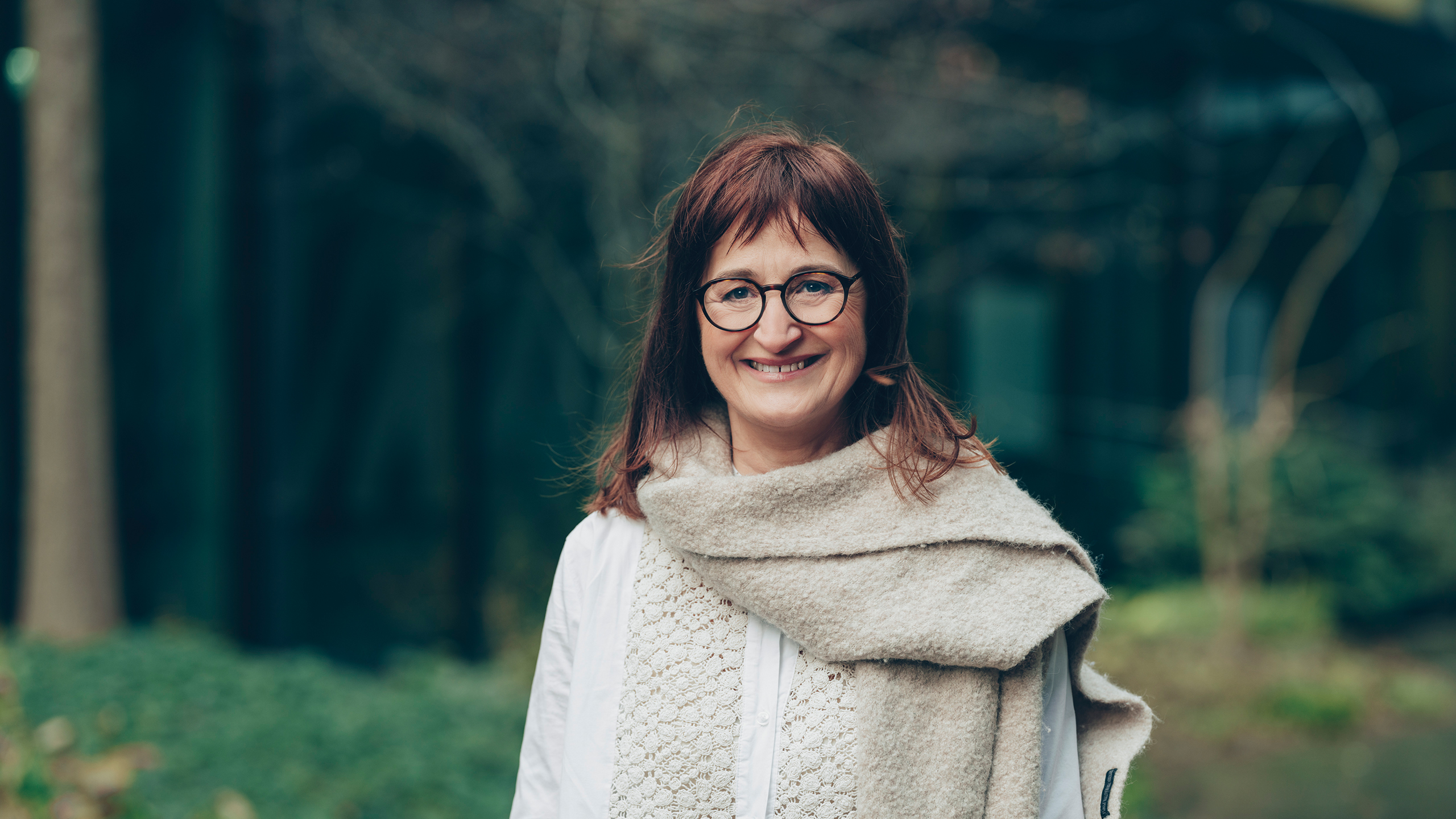
Three questions to Nicole Traxler
Nicole Traxler is Executive Director Social and Digital Innovation at ERSTE Foundation. The Digital and Social Innovation division build infrastructures that empower civil society actors to develop innovative (digital) social solutions and co-create specific solutions with civil society. Supporting transformative ideas and strengthening social inclusion contributes to a more resilient and forward-thinking society.
ERSTE Foundation Care often happens quietly, at home and under growing pressures. Alles Clara is a digital platform that supports people who care for, look after, or are caring for loved ones. What does that mean in practice – and why is it needed now?
Nicole Traxler Around 80% of Austria’s care demand is provided by families – on top of work, children and everyday life. Family carers do groceries, cook, support in hygiene, arrange and accompany to doctors’ appointments and therapy – and sometimes they are just there to listen. It is they who support or take decisions regarding their loved ones in need of care. With that, they take on huge responsibilities that many feel alone with. As in many other countries, care within families is still a taboo subject. This is where Alles Clara comes in: Alles Clara supports informal carers throughout Austria. The core of its service is digital counselling that is free of charge, easy to reach and supports people exactly where the strain arises – in their everyday lives.
What is special about Alles Clara is that it uses digitalisation to connect existing offers and knowledge in a new way. It creates a nationwide service that is locally rooted through the counsellors and based on the needs of today’s families. Additionally, Alles Clara builds on a cross-sector collaboration between the care sector, academia, the public hand, multipliers in the healthcare and social sector and employers throughout Austria. This alliance shows that digitalisation can contribute to a systemic solution, while putting the needs of its users and surroundings in the centre and creating a cost-efficient add-on to existing offers. Especially in times of the current demographic developments and tight public budgets, our healthcare and social systems are under pressure. While families step in where our systems lack resources, their responsibilities and burdens rise as will. Supporting them is essential – for themselves, for their families and for our healthcare system.
EF In Austria, more than 42,000 children and young people provide regular care. When young people take on care responsibilities early in life, it often shapes their education, health and future choices. Why are young carers still so invisible and what kind of support do they need most urgently?
NT Statistically, in Austria one child per school class regularly supports a family member that is affected by a chronic physical or mental disease or an addiction. In these situations, »young carers« take on the same responsibilities as an adult would and step in where their families need support, including shopping, helping siblings, organising medication or even providing hands‑on care. They often take on this role naturally and try to balance school, friendships and care tasks, in many cases without additional support. Many former »young carers« describe exhaustion, worry or the feeling of being alone – and their longing to just »be a child«.
Yet, their needs barely appear in the healthcare system, professionals like doctors, teachers or social workers are often not aware of the role of these children and sometimes even the diseases of their parents are invisible on societal level – and so stay their children that keep their families up and running.
Therefore, support services for »young carers« struggle to reach them. And that’s exactly why we started a research and innovation project to solve this challenge. It resulted in the birth if the Austria-wide Young Carers Community – an open network of current and former »young carers«, non-profit organisations with supporting offers, teachers, nurses, social professionals and committed individuals. The community bridges different perspectives, shares knowledge and facilitates collaboration among its members and tries to build a support network that helps young people to not have to carry everything alone. Additionally, the initiative challenges the communication towards young persons. Anyone who wants to support young people with care responsibilities is invited to join the Young Carers Community Austria by signing up and becoming part of the network here.
EF The results of a recent EcoAustria study supported by ERSTE Stiftung support anecdotal assumptions that care demand not only changes everyday lives but affects an entire career. What does that look like for the labour market?
NT Eco Austria has conducted the very first study on basis of a full census and analysed the effects of care demand of parents on the employment of their (adult) children. The results support are striking. family care is a major driver of part‑time work and labour‑market exit, especially for women, with long‑term consequences. In times of skills shortage, we are faced with an annual potential of 20,700 persons aged between 40 and 64 years that have reduced their working hours or have entirely left the labour market due to the rising care demand of their parents. The study is also only showing the tip of the iceberg and it doesn’t include those who care for a person other than their parents (for example their children with disabilities). The full report can be accessed here.