Journal
28 May 2026
Reading Time: 4'
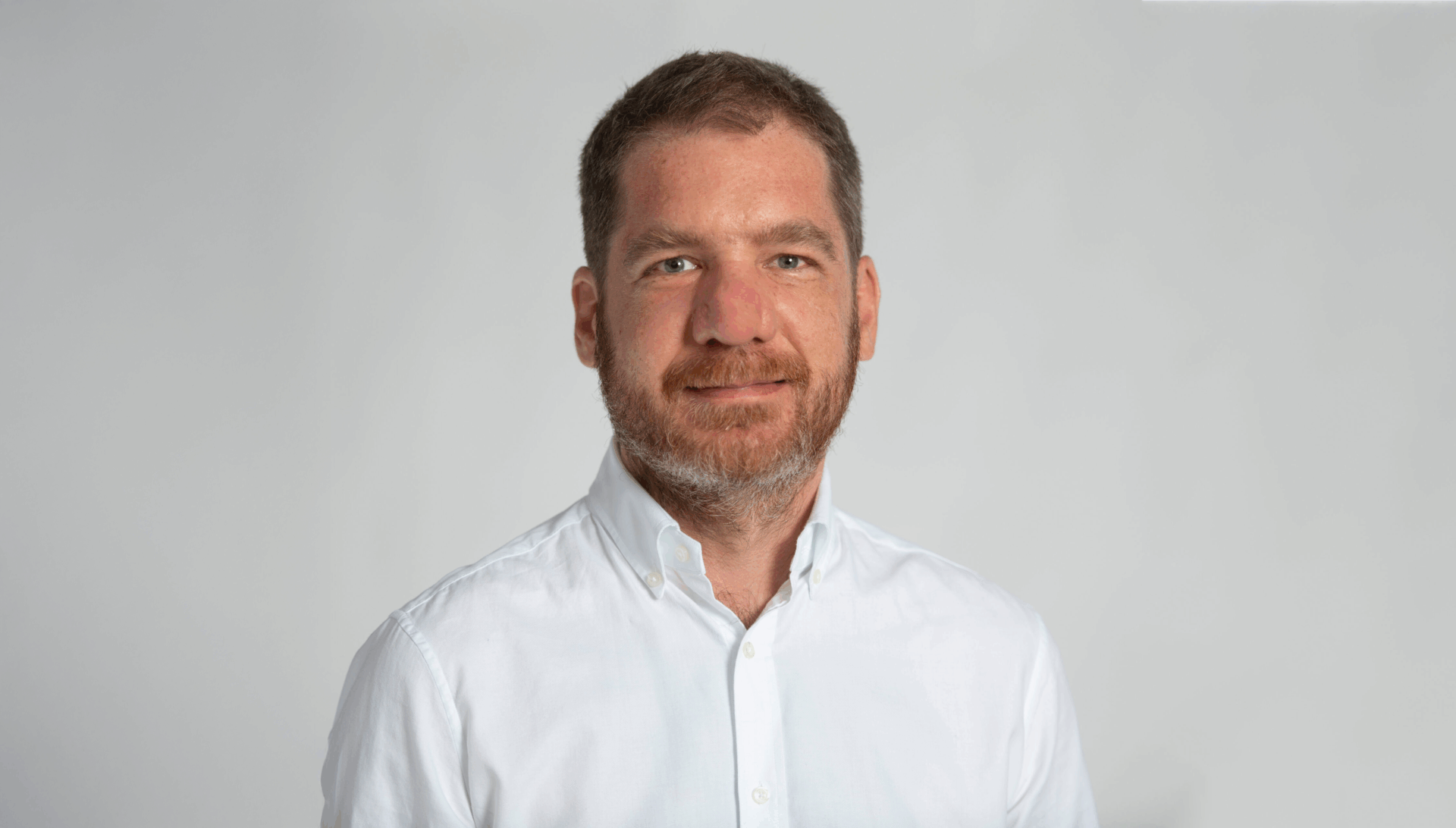
Three Questions to Márton Gergely
Márton Gergely has been the editor-in-chief of Heti Világgazdaság (HVG), one of the few remaining independent media outlets in Hungary, since 2021. The online portal of the same name reaches more than 400,000 readers daily. After studying history and journalism in Budapest and Hamburg, and an internship at the Berlin editorial office of taz (die tageszeitung), he joined the editorial staff of the newspaper Népszabadság in 2003. In 2014, he was appointed deputy editor-in-chief, a position he held until the newspaper ceased publication in October 2016 following a politically motivated takeover. In 2021, Gergely was elected to the Executive Board of the International Press Institute (IPI) and has served as the board’s chair since 2024.
ERSTE Foundation Péter Magyar has promised systemic change and an anti-corruption campaign – what do you think are the biggest obstacles in dismantling the Orbán-era structures? In which areas does he need to urgently deliver political and economic results?
Márton Gergely Péter Magyar is, on the one hand, in a comfortable position, as his party can pass measures on its own in parliament. The governing party holds a constitutional majority, so legally there are no obstacles. Politically, however, it is more complicated. Magyar must ensure that his approval ratings do not drop, as this could undermine the legitimacy of the policies he plans to realise. Hungary’s economy is in a very poor state, and many voters expect quick and tangible improvements. If one views politics as a balance of »bread and circuses,« then the reckoning with the Orbán years represents the necessary spectacle to buy time. On the other hand, if this is not followed by real change, this could quickly be perceived as political revenge and backfire. Magyar is very powerful in parliament, but not necessarily in politics.
EF His first foreign trip was to Poland. How will Hungary’s role in the Visegrád Group or, more broadly, in Central and Eastern Europe change under the new prime minister?
MG It is almost comedic how obsessed Péter Magyar is with history. For him, politics is history unfolding in real time, and he likes to refer to great historical figures on every possible occasion. This is an important point for understanding his ambitions in Hungary and in the region. He wants to shape events and join the ranks of the country’s and the region’s great politicians. His role models are confident reformers and democrats who achieved success through cooperation. We can, with some optimism, expect that he believes in cooperation and dialogue, even if he will continue to clearly articulate national interests. During the campaign, he promised to make Hungary a liveable country – free from conflict, anger and paranoia. This would also benefit the region. After years in which Viktor Orbán openly and excessively interfered in the politics of neighbouring countries, the Hungarian government will likely refrain from such interventions in the future.
EF Which concrete decisions will show whether Magyar’s EU policy represents a genuine shift and where might there be continuity with Orbán’s approach?
MG It is still unclear to what extent Viktor Orbán and his policies will remain a factor in Hungary. The former prime minister understood governing as a permanent election campaign; all initiatives served his own narratives, and every action also aimed at image control and the shaping of historical narratives. The same applied to his conflict with the EU. Over the years, he has effectively turned various political issues into minefields. If Orbán remains politically influential in Hungary, Magyar may be forced to take obstructive positions in Brussels on certain issues. This especially concerns relations with Ukraine, as well as the rights of migrants and sexual minorities. Magyar wants to avoid giving Orbán material for a political comeback. The more this risk diminishes, however, the more he will be able to act constructively in Brussels.
Photo: Gergely Tury