Journal
9 December 2025
Reading Time: 6'
Time to Decide Europe Summit 2025
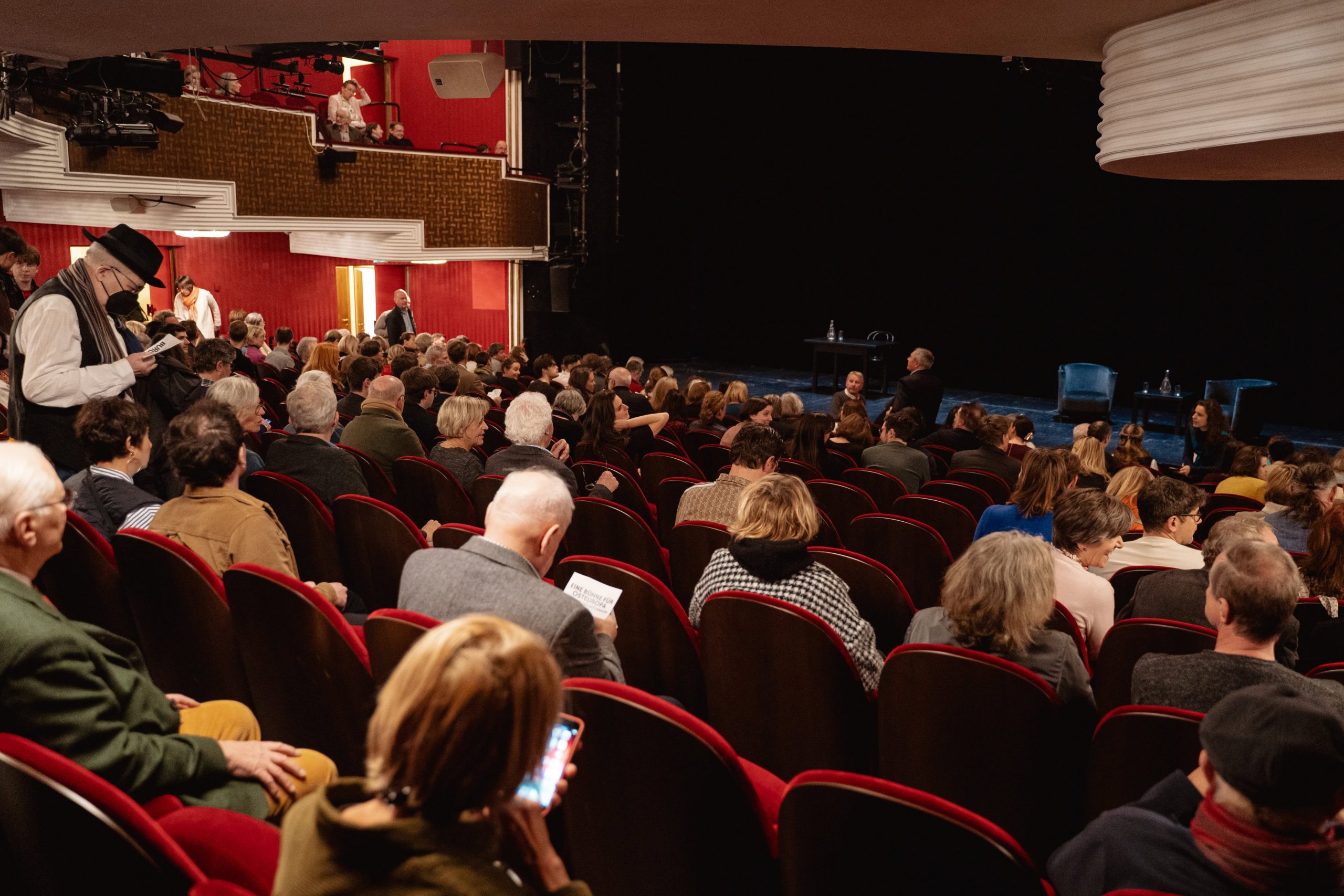
It’s time for European leaders to make bold decisions in the face of profound global change. This was the clear message framing the Time to Decide Europe Summit 2025, held on 2 December 2025 at the Erste Campus. And what better way to support politicians in making these conceptual leaps than to introduce them to some of today’s greatest economic and political thinkers?
Normally in the hot seat themselves, former Deputy Prime Minister of Croatia Martina Dalić, Mayor of Warsaw Rafał Trzaskowski and Prime Minster of Albania Edi Rama respectively moderated discussions on European competitiveness, the transatlantic partnership and challenges to small states. Judy Dempsey, Senior Fellow at Carnegie Europe and Europe’s Futures Fellow, oversaw the day’s events and chaired their concluding session.
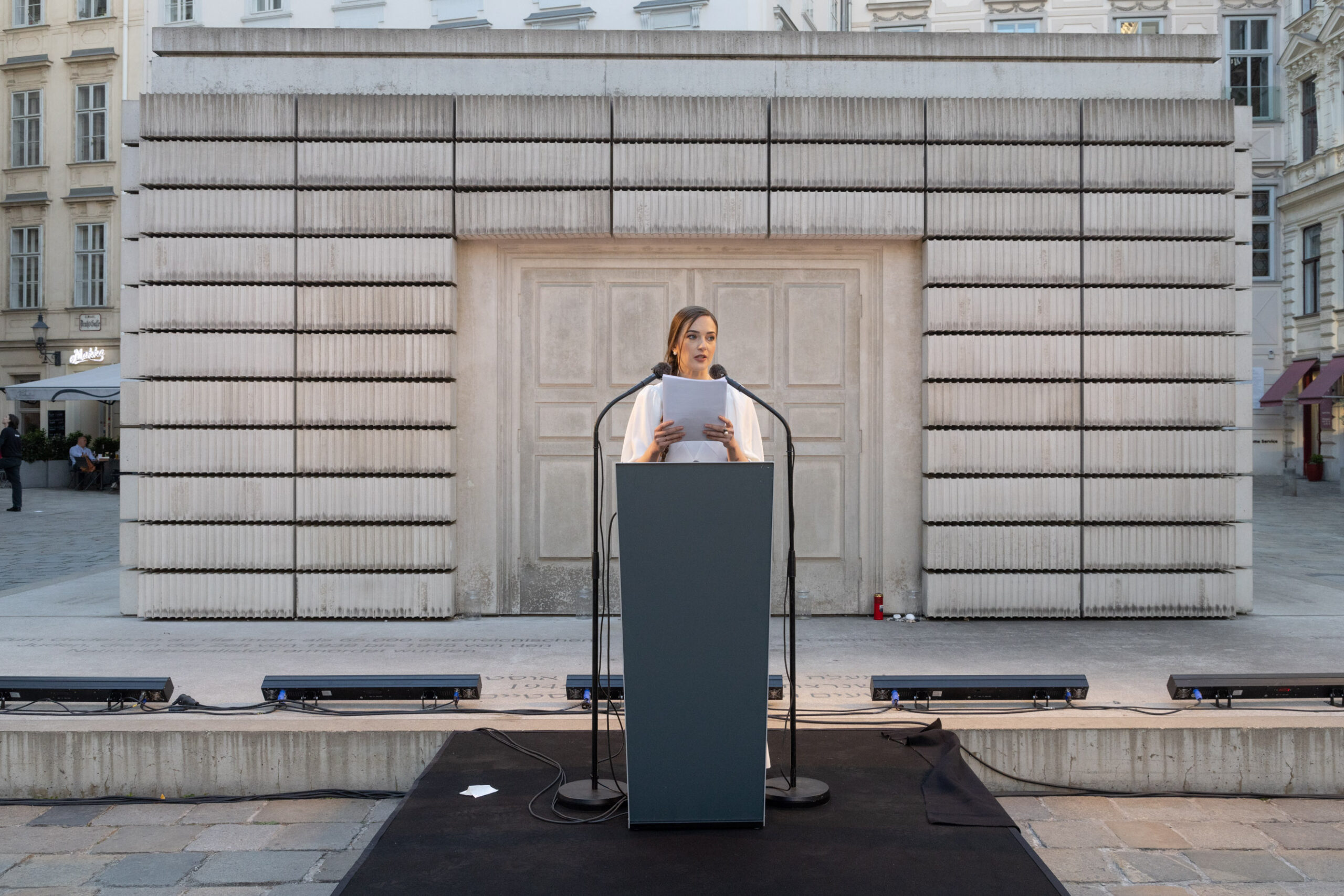
Austrian Minister for European and International Affairs, Beate Meinl-Reisinger, identified deregulation, unity and defence as key issues in her opening address. »Our rivals will not stand still,« said Minister Meinl-Reisinger. »If Europe wants to remain a global actor not a museum«, she continued, »we need unity, speed and strength«.
Generating capital and global impact
Panellists agreed with the ERSTE Foundation’s Supervisory Board Chairman Andreas Treichl’s calls for progress within the EU project. In particular in the realms of a European capital market, transparent competition and deregulation. Many expressed their disappointment in the EU-US trade deal brokered in July this year. In the first session, economist and former Deputy Prime Minister of Bulgaria Atanas Pekanov called it »embarrassing for Europe«. Karel Lannoo, CEO of the Centre for European Policy Studies, wants »a confident and competitive Europe« instead. And Tomáš Sedláček, Director of the Václav Havel Library, called for narratives that we could believe in that would inspire such change. Director of Carnegie Balfour, Rosa Balfour, also sees the detrimental impact of »cultivating a small garden«, calling for the need to address perceptions of Europe’s business potential elsewhere.
It’s »all about scale«, said James C. O’Brien, former US Assistant Secretary of State for European and Eurasian Affairs. Marie-Helene Ametsreiter General Partner of Speedinvest advised unlocking pension funds to raise business capital. »It takes just one hour to open a business in the UAE,« said Ebtesam Al-Ketbi, the President of Emirates Policy Center, illustrating the persistence of European red tape.
Transatlantic shifts in identity and defence
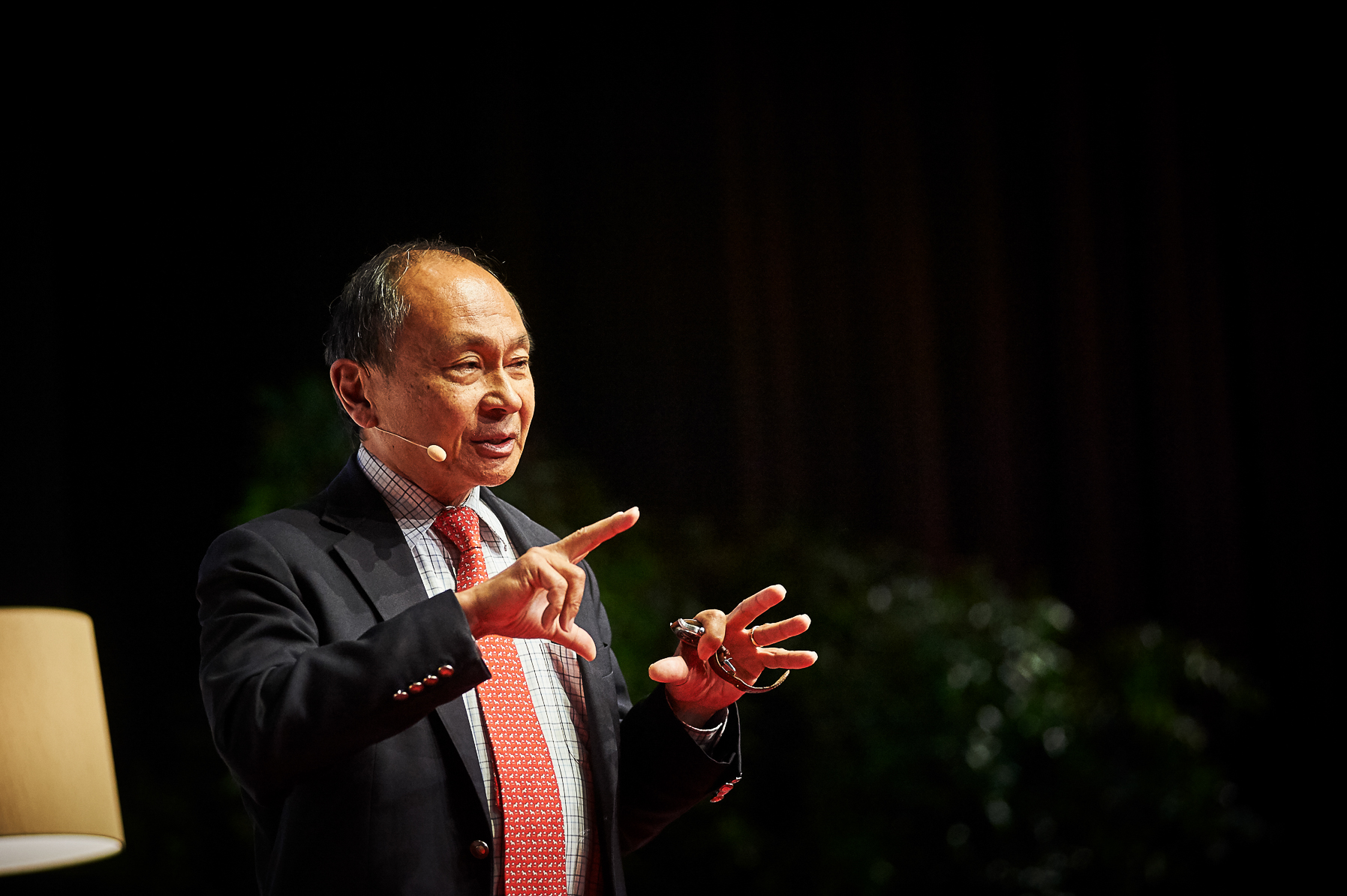
The second session asked whether Trump’s administration is a symptom or the cause of the Republican retrenchment negatively affecting Europe. Nathalie Tocci, Director of the Istituto Affari Internazionali, who considers US Conservative Nationalism’s revival »structural, not temporary«, questioned whether Europe was facing an »American betrayal« in its »imperial collusion with Russia and possibly China too«. Francis Fukuyama, Senior Fellow at Stanford University, called on European leaders to take the opportunity to stand up to Trump, as many Republicans are now doing, speculating that »we’ve now hit peak Trump« calling him a »lame duck president«.
When Gladden Pappin, President of the Hungarian Institute of International Affairs, professed that Trump doesn’t exclude »civilisational allies«, IWM Permanent Fellow Ivan Krastev provocatively asked, »which civilisation?«, proposing that Europe offers a quality of life to challenge toxic positivity. Veronica Anghel from the European University Institute also countered that » National Conservatism is not the solution but part of the problem.» Lea Ypi, Professor of Political Theory at LSE, meanwhile, reminded the room that Europe also has its fair share of hegemonic leaders like Italy’s Prime Minister, Giorgia Meloni.
Talk of European rearmament sparked divergent opinion. While Fukuyama believes that »Europe will be taken more seriously when it is militarily more powerful,« Ypi, commenting on defence and rearmament’s marginalisation of the European Green Deal, suggested that »a real EU army, where states could pull together, would reduce military spending and have more money for education and infrastructure« – a piece of potential advice for amongst others former Chancellor of Austria Alexander Schallenberg, who later warned that »neutrality does not ensure security«.
Alliances, resilience and leadership
In a lively discussion about the role of smaller countries in achieving European unity, the third session addressed issues of representation and accountability. As »multilateral norms unravel,’ said Nathalie Tocci, we’re all going to do badly.« Former Deputy Prime Minister of Northern Macedonia Nikola Dimitrov saw a counter measure in smaller countries assuming more responsibility, identifying the importance of good leaders. Soli Özel, Professor of International Relations and Political Science, Kadir Has University, who recognises that some countries »manage their vulnerability better than others«, suggested that networks could be a solution to this precarity.
As Misha Glenny, Rector of the Institute for Human Sciences, said in closing: » Alarm bells should be ringing in Europe « and »to meet the incredible complexity of challenges ahead Europe must collaborate.«