Journal
26 February 2026
Reading Time: 3'
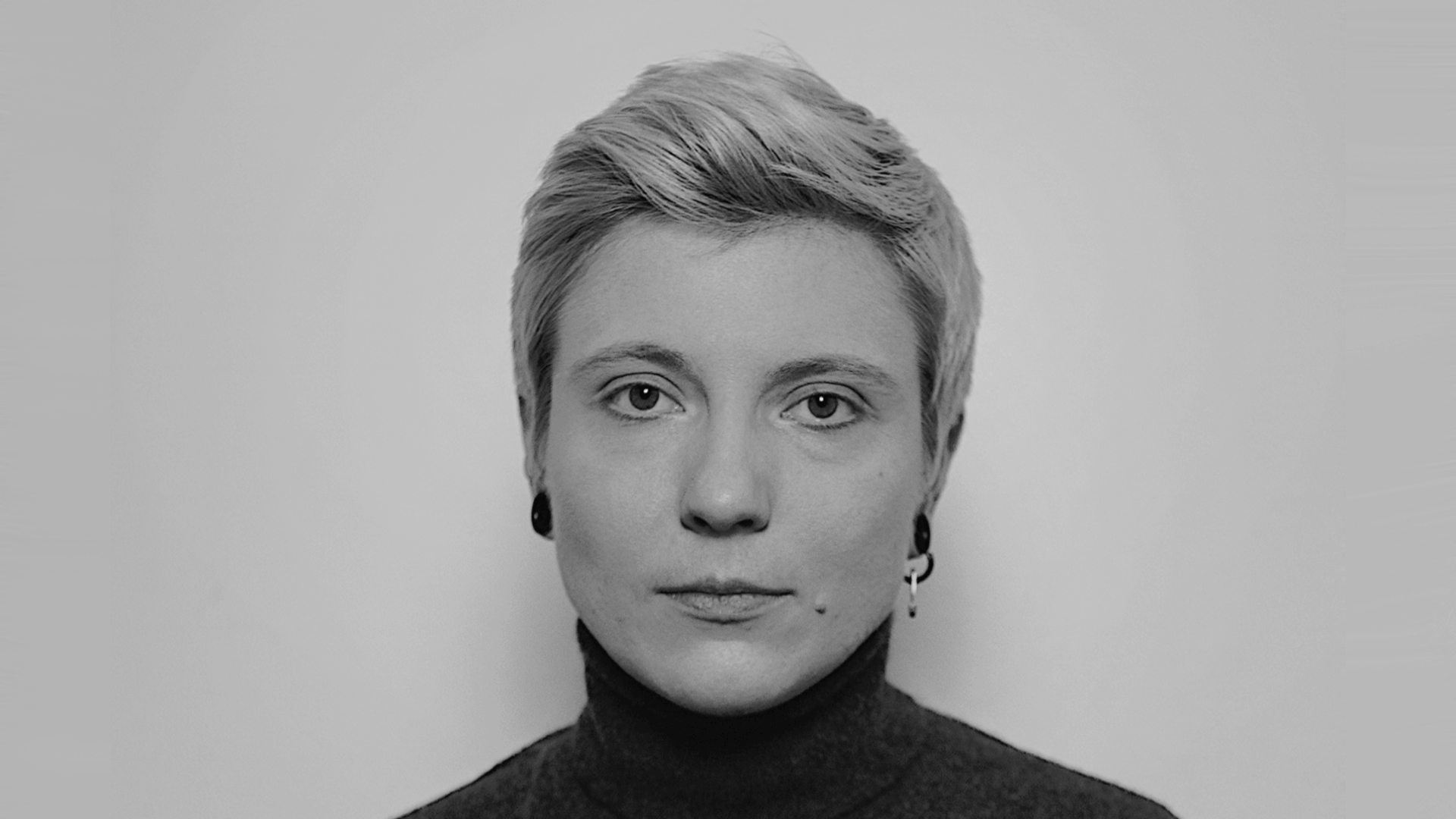
Three questions to Lisa Bukreyeva
Ukrainian artist and documentary photographer Lisa Bukreyeva was born in 1993 and has lived and worked in Kyiv all her life. She began photographing in 2019, driven by a desire to observe and document the world around her and the people shaped by it. Before the full-scale Russian invasion, she focused on Ukrainian youth, exploring identity, belonging, and the environments that form young people.
After the invasion of 24 February 2022, her artistic focus shifted profoundly. Bukreyeva turned to the emotional and psychological realities of wartime life in Ukraine. Her work reflects on how war alters time, memory, and perception, and on the impossibility of fully comprehending the trauma of conflict, whether from within or from afar. She documents civilians’ lived experiences, devastated landscapes, and the quiet, often invisible wounds carried by communities forced into survival mode.
ERSTE Foundation How has the experience of war in your own country changed your life and your profession as a photographer?
Lisa Bukreyeva The war called into question my entire value system and turned it upside down. At the beginning of the full-scale invasion, we all changed. I now look at everything with different eyes: my favorite movies, music, books. Everything has a different meaning now.
»The only thing photography can do in this context is to confirm our existence now, to testify to the resistance of my people.«
EF What is particularly important to you in documenting this conflict, and what role does photography play for you in trying to understand or convey what is happening?
LB I once said that no photograph, film, book, or song can convey the horror of war. And even people who go through this experience are not able to fully understand it, because it is simply impossible to live with it. War is the worst thing that can happen in human life. War exhausts, kills, takes away memories, homes, takes away the ability to imagine the future. The only thing photography can do in this context is to confirm our existence now, to testify to the resistance of my people. For the living and the unborn.
EF Your photographs stand out within the context of war photography – such as the photo of a goat drinking from a munitions box. Why is this perspective important to you?
LB I would like to believe that my photographs show something not noticeable at first glance. They convey how war changes everything around, seeps into all spheres of life, and the most terrible thing is that we, as participants, stop noticing this. My photography is now about life in spite of war, but above all about life.