Journal
11 February 2026
Reading Time: 4'
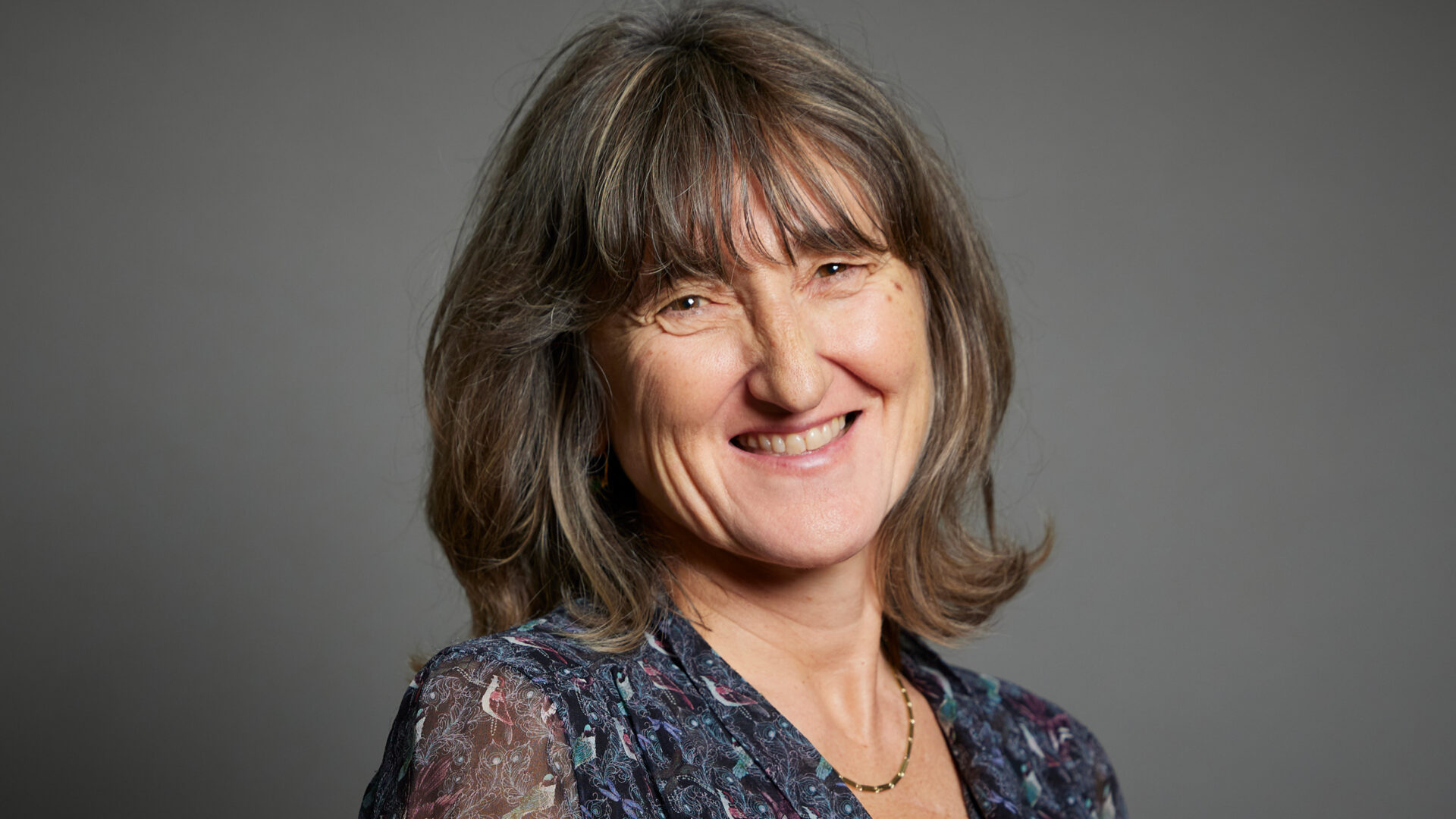
Three questions to Beeban Kidron OBE
Baroness Beeban Kidron OBE is a member of the UK’s House of Lords and a former film director. She is a leading voice on children’s rights in the digital environment and a global authority on digital regulation. She has played a central role in establishing standards for online safety and privacy across the world. She recently spoke on a »Debating Europe« panel at the Burgtheater in Vienna. Watch here.
ERSTE Foundation The influence and power of big tech can sometimes feel uncontainable. What, in your eyes, are chokepoints where Europe can be in a stronger negotiating position vis-à-vis these »Tech Bros«?
Beeban Kidron OBE Rather than looking for a single point we need to reframe the norm in which tech is considered different or exceptional. I would start with procurement rules that considered national HQ companies first, participation or partnership, rather than service contracts, data flows and exit strategies – as well as price. Moreover, local billing that prevents tech companies from offshoring profits, is probably the single biggest way that Europe could redraw the digital map. This would allow for a more competitive sector with local alternatives as well as increase tax receipts in EU countries. In addition, we need minimum standards of terms and conditions. Tech pretend to be deregulatory – but in fact they import regulations through their terms of service and contractual requirements undermining EU values and laws. Finally, product liability: if products and services were liable like a toy, fridge or airbag they would be subject to domain rules aligning their responsibilities to those of other companies.
»In fact I would go as far as to say that most tech we have around us at home and work is like an unused gym membership. It might be great in principle, but if you don’t use it chances are it is using you.«
EF As a UK lawmaker, you are actively advocating for child protection in the digital world. How can we put pressure on tech companies to take responsibility and adapt their technologies to our democratic values?
BK I have been doing this for many years, and we have made some pretty impressive inroads considering that when I started, they claimed that – and I quote one Meta executive – »[they] could not be regulated from a small town in England«. And he turned out to be wrong! However, given recent history, advances in tech and the capture of regulators the world over, I now think business interruption is the only way. Stop the service first and then ask questions. Fines are immaterial – simply a cost of doing business – but service interruption is scary for them. Clear rules, swiftly applied. And I would suggest that we have principles not process – the tech lobbyists like nothing better than our thousands of pages of regulation to get stuck into.
EF What can ordinary citizens do to push back against excessive influence of tech companies?
BK First, make your vote contingent on your representative taking a hard line on tech issues and tell them it is conditional. Second, your attention is their power, so spend it wisely. Get off the products that make you feel bad or aggressively monopolise your time and focus instead on tools that help you and have decent terms of service. Third, if you are a head teacher, an accountant, a health worker, in a union or run a business use your power to make good tech decisions: smaller companies, local data storage, focused on what you need not what they are selling you. Because if the tech doesn’t serve your values or your activities, it is serving the tech bros. In fact I would go as far as to say that most tech we have around us at home and work is like an unused gym membership. It might be great in principle, but if you don’t use it chances are it is using you.
Header image: House of Lords / photography by Roger Harris