Journal
18 December 2025
Reading Time: 2'

The hidden side of care: how familial responsibilities are changing the labour market
Care is a silent reality that deeply affects the everyday lives of millions of people. It usually takes place invisibly, at home, carried out by relatives who take on the responsibility alongside their jobs and families. This collaboration between Vollpension and Alles Clara uses a video series to show how family care shapes everyday life and changes employment.
The latest study by EcoAustria on the labour market effects of family care needs shows that around 20,700 people between the ages of 40 and 64 reduce their working hours each year when their parents require care. This corresponds to around 9,200 full-time equivalents lost to the labour market – with around 90,000 vacancies in 2024.
The actual extent is likely to be even higher if other groups are taken into account, such as relatives caring for grandparents or children with disabilities. The combination of personal accounts and empirical data makes it clear that care work carries a considerable risk of poverty in old age, especially for women, and calls for a political and social response.
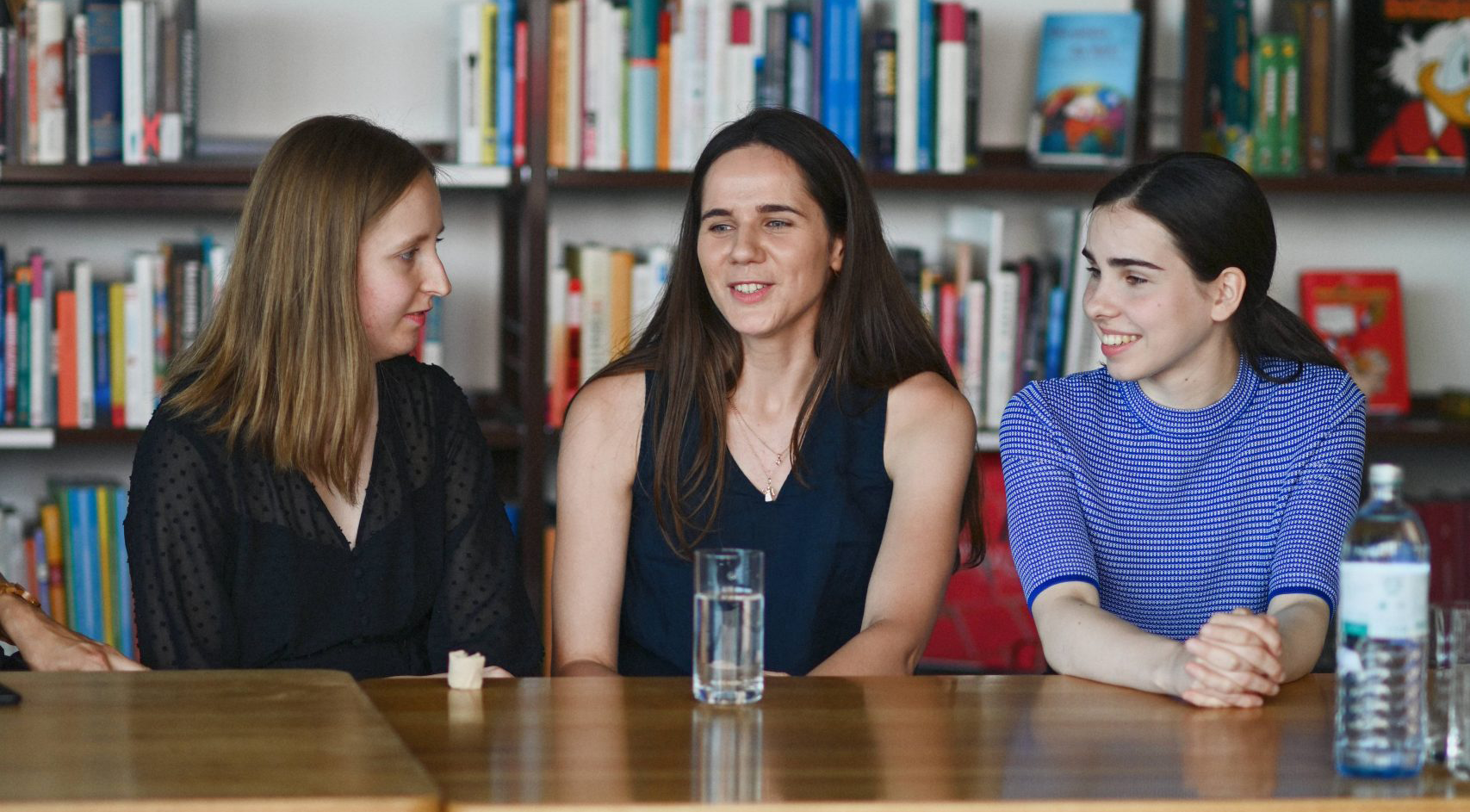
In a series of short videos (in German), the baking grannies from Vollpension and the experts from the Alles Clara app chat about their personal and professional experiences – and show how much of a double burden caring for family members can be. This brings home what research has already shown: caring isn’t just a side issue, it’s something that affects the whole of society.
Kathrin and Renate look back on their time as family carers and share their most important lessons: about self-care, boundaries and why it is so important to accept help:
Kathrin and Renate discuss their personal experiences as family carers and care professionals: How does one come to take on this role? What responsibilities does one have – and what does it take to avoid reaching one’s limits?
Susanne and Markus talk about how they got into nursing, what tasks and responsibilities the nursing profession entails, and why this work is meaningful and fulfilling despite all the challenges:
Resi and Barbara discuss how difficult it is to combine caregiving with gainful employment, why women are particularly affected, and what support is needed to prevent caregiving from becoming overwhelming:
Header image: Philipp Horak