Igor Zabel Award for Culture and Theory
2008
Reading Time: 2'
Igor Zabel Award for Culture and Theory
Igor Zabel went to great lengths to promote the cultural relations between Eastern and Western Europe, unmasking the political myths of »East« and »West«. The Igor Zabel Association for Culture and Theory aims to keep Igor Zabel’s work in the public eye and to establish links to the present.
The Igor Zabel Award for Culture and Theory is one of the most prestigious cultural awards in Central and Eastern Europe. Named after Igor Zabel (1958–2005), a renowned Slovenian art historian and curator, the award honours outstanding work by curators, art historians, theorists, researchers and critics who focus on visual art and culture in Central, Eastern and South-Eastern Europe.
Igor Zabel’s work significantly contributed to the historical placement of avant-gardes and neo-avant-gardes, and he was instrumental in promoting the cultural understanding between East and West. His texts on post-war and contemporary visual art in Slovenia and Eastern Europe provide valuable insights into the relationship between art and society.
We and the Igor Zabel Association for Culture and Theory established the award in 2008 and are offering it biennially. It includes a EUR 40,000 prize for the laureate and three working grants of EUR 15,000 each. The award ceremony features conferences, discussions and networking meetings, emphasising the importance of art in examining societal developments and promoting solidarity and creativity.
Winners
2024
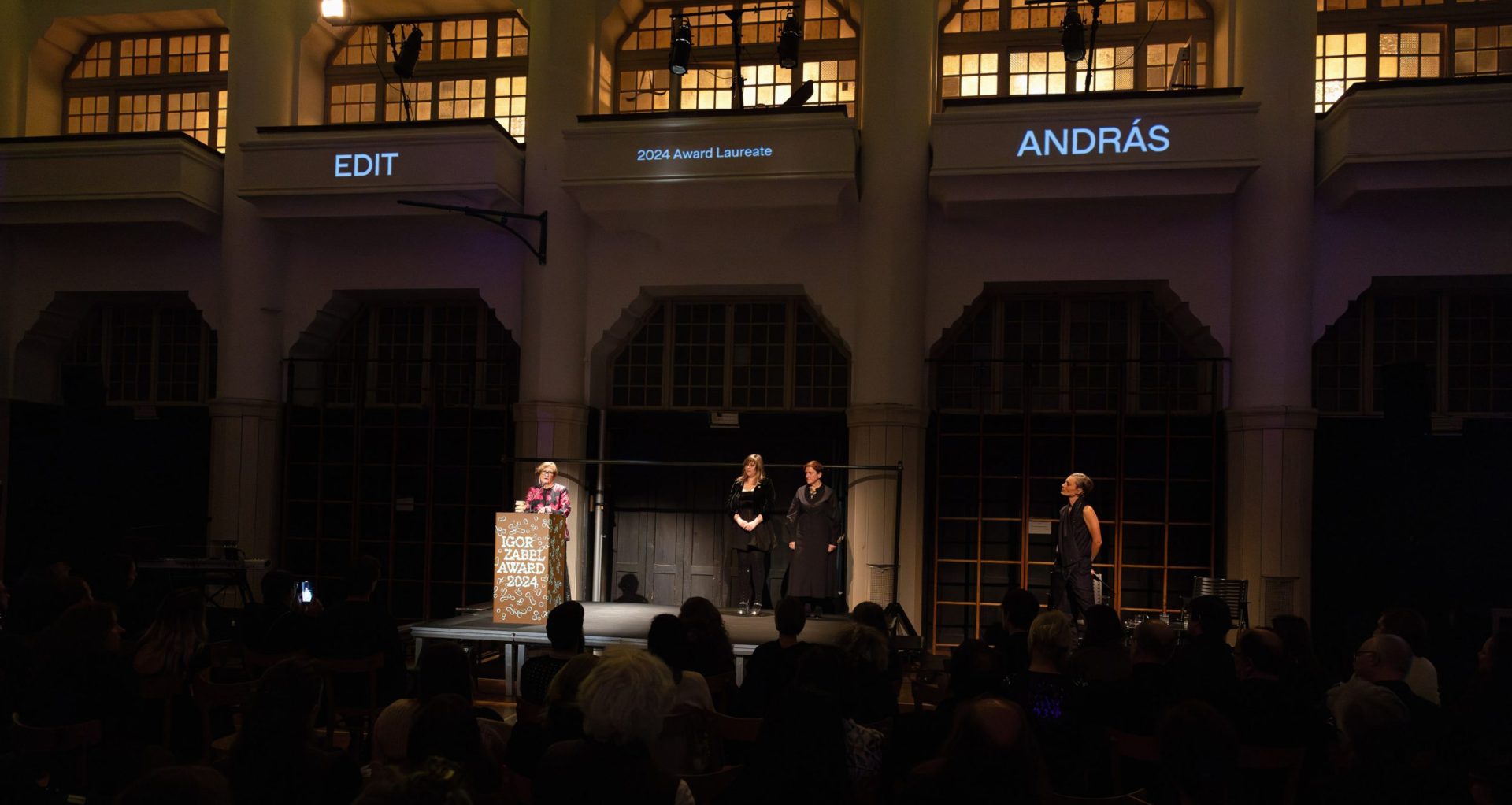
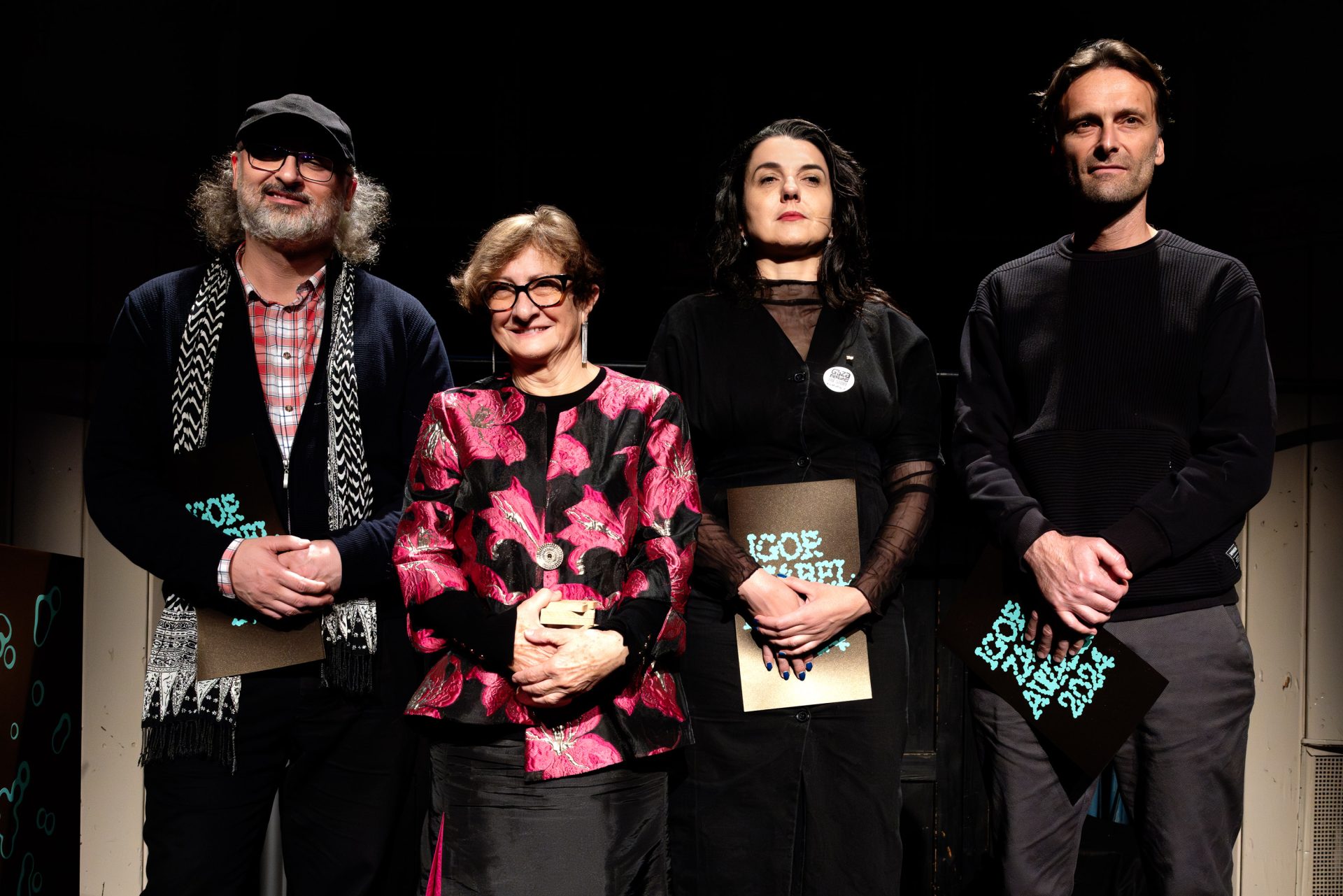
Winner: Edit András
Grants: Ovidiu Ţichindeleanu, Irfan Hošić, Natalija Vujošević
Jury: Manuel Borja-Villel, Ilona Németh, Angelika Richter
2022
Winner: Bojana Pejić
Grants: Oksana Briukhovetska, Alina Șerban, Antonina Stebur
Jury: Marta Dziewańska, Ahmet Öğüt, Tomáš Pospiszyl
2020
Winner: Zdenka Badovinac
Grants: Slavcho Dimitrov, Katalin Erdődi, Ivana Bago
Jury: Šejla Kamerič, Anthony Gardner, Franciska Zólyom
2018
Winner: Joanna Mytkowska
Grants: Edith Jerábková, Oberliht Association, Visual Culture Research Center
Jury: Adam Budak, Ana Janevski, Erzen Shkololli
2016
Winner: Viktor Misiano
Grants: Viviana Checchia, Anca Verona Mihuleţ, OFF-Biennale Budapest
Jury: Zdenka Badovinac, Vít Havránek, Roman Ondák
2014
Winner: Ekaterina Degot
Grants: Karel Císař, Miklavž Komelj, Kirill Medvedev
Jury: Keti Chukhrov, Apolonija Šušteršic, Rainer Fuchs
2012
Winner: Suzana Milevska
Grants: Sabine Hänsgen, Klara Kemp-Welch, European Roma Cultural Foundation
Jury: Alenka Gregorič, Yuri Leiderman, Hanna Wróblewska
2010
Winner: Piotr Piotrowski
Grants: Maja and Reuben Fowkes, The Peace Institute Ljubljana, Raluca Voinea, Daniel Grún
Jury: Edit András, Chus Martínez, Tadej Pogačar
2008
Winner: What, How & for Whom (WHW)
Grants: Fouad Asfour, Erden Kosova, Prelom Kolektiv
Jury: Eda Čufer, Josef Dabernig, Charles Esche
Partner
Igor Zabel Association for Culture and Theory
Header image: Nada Žgank